
Hyaluronic Acid – The Biopolymer
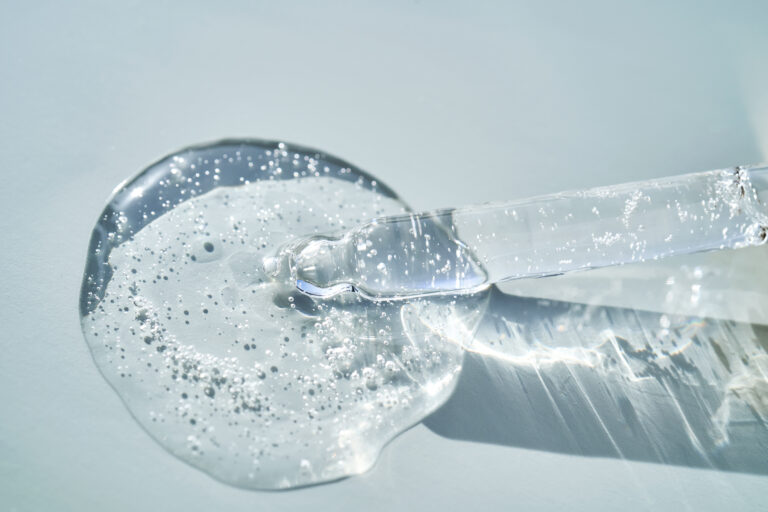
Hyaluronic acid (Hyaluronic Acid, hyaluronan, or hyaluronate) is one of the most important glycosaminoglycans in the extracellular matrix. It is found in the tissues of all vertebrates, but is also present in microorganisms and mollusks. Due to its unique chemical structure, hyaluronic acid is of enormous physiological importance. It serves as a water reservoir, a…
Hyaluronic Acid as a Barrier Protection
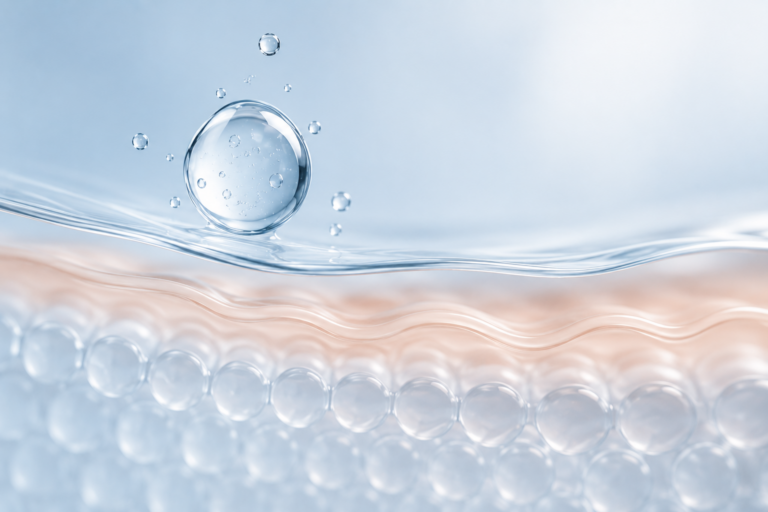
Hyaluronic acid is found throughout the body wherever large amounts of water need to be bound—especially in the intercellular spaces of the skin. It hydrates the skin, supports its elasticity, and contributes to a smooth, plump complexion. At the same time, these moisture reserves strengthen the skin’s natural barrier and increase its resistance to external…
Hyaluronic Acid as a Cosmetic Active Ingredient

As a cosmetic active ingredient, hyaluronic acid supports numerous physiological functions of the skin and is now one of the most important ingredients in modern skincare. Its key properties include: Strengthening the skin’s natural barrier Intense moisture retention on the skin’s surface Water storage in the epidermis and the extracellular matrix Supporting cell communication and…
Hyaluronic Acid as a Radical Scavenger
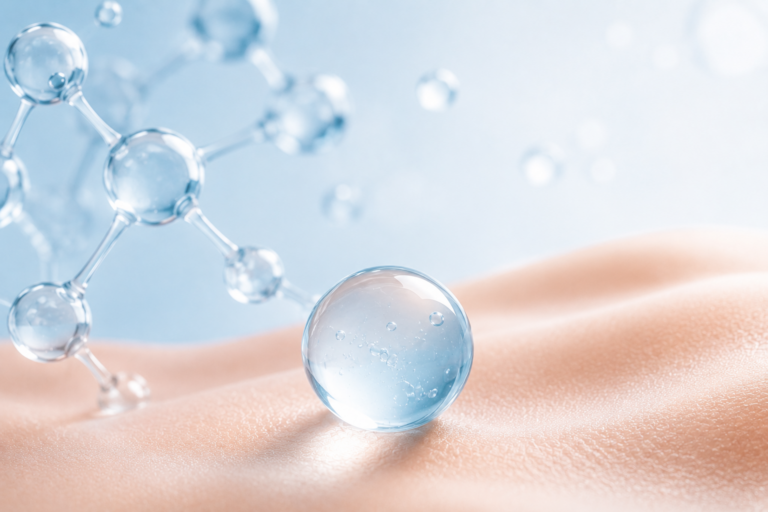
Hyaluronic acid is not only an important moisturizer for the skin, but it also fulfills another significant function: as a free radical scavenger, hyaluronic acid can help protect the skin from the harmful effects of free radicals. Free radicals and reactive oxygen species (ROS) are produced both during normal metabolic processes and as a result…
Hyaluronic Acid Fillers for Dermal Injections
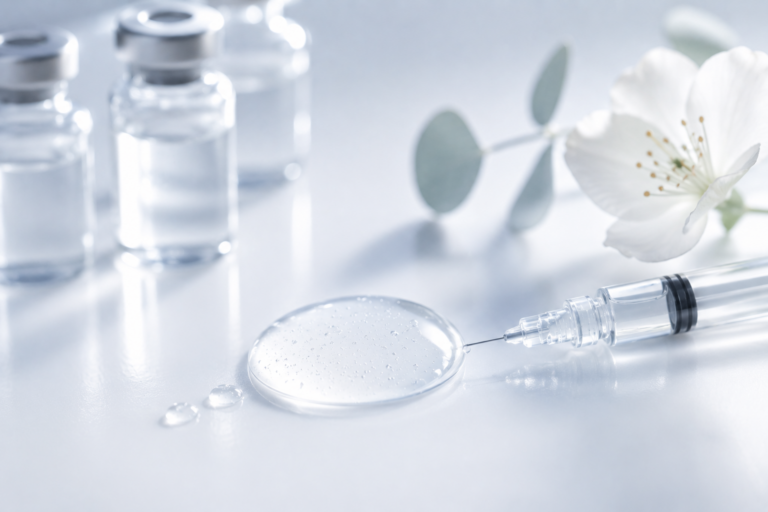
Hyaluronic acid fillers are among the most important minimally invasive procedures in aesthetic dermatology and plastic surgery today. They are used to smooth wrinkles, restore lost volume, and harmoniously sculpt facial contours. The filler is injected precisely into the dermis or the subcutaneous fat tissue. Lost tissue volume is replaced, skin furrows are lifted, and…
Hyaluronic Acid Formulations
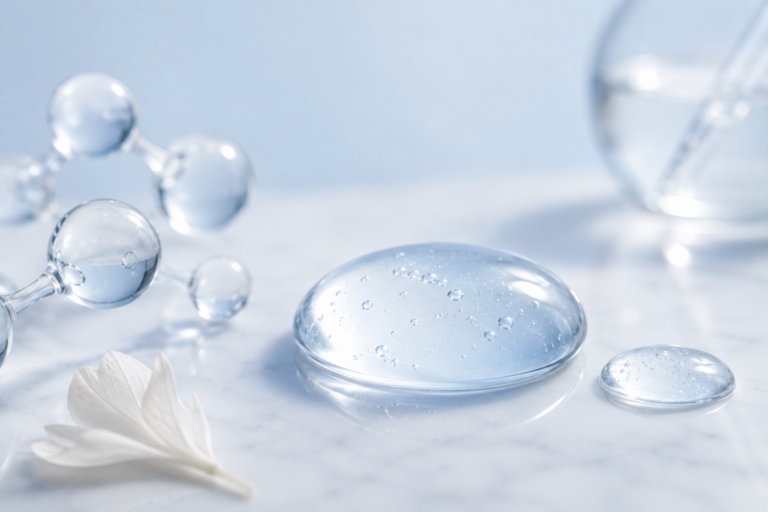
The INCI name does not indicate which molecular weights are used in hyaluronic acid formulations. Both high-molecular-weight and low-molecular-weight hyaluronic acid are listed simply as “Hyaluronic Acid” or “Sodium Hyaluronate.” However, molecular weight makes a decisive difference in terms of effectiveness. High-molecular-weight hyaluronic acid remains primarily on the skin’s surface and provides immediate, intense, but…
Hyaluronic Acid in the Skin
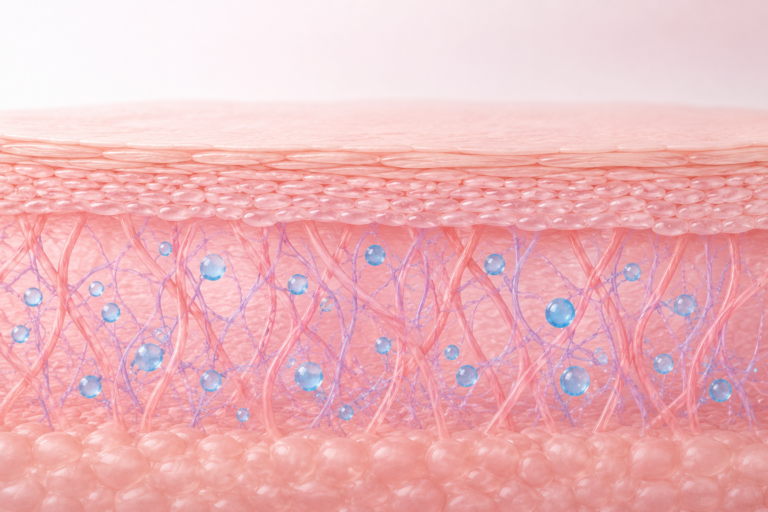
Hyaluronic acid in the skin is one of the most important components of the extracellular matrix. In addition to hyaluronic acid, this tissue structure also includes proteoglycans, other glycosaminoglycans, and structural proteins such as collagen and elastin. Together, they form the skin’s scaffold and facilitate the exchange of nutrients, signaling molecules, and metabolic byproducts. Together…
Hyaluronic Acid in UV Protection

The sun’s UV radiation is one of the biggest stressors for the skin. Although the body needs UV light—for example, to produce vitamin D—excessive exposure can cause significant damage. Possible consequences include inflammation, disruption of the skin barrier, premature skin aging, immunosuppression, and even skin cancer. The keratinocytes of the epidermis and the fibroblasts of…
Hyaluronic serum

Hyaluronic serum and essence – moisture boosters for radiant skin Hyaluronic acid is one of the most popular active ingredients in modern skincare – and with good reason: it makes skin plumper and smoother, reduces wrinkles, and gives you a fresh complexion. Hyaluronic acid is particularly effective in concentrated products such as hyaluronic serum or hyaluronic essence. But…
Hyaluronsäure-Filler zur Hautunterspritzung
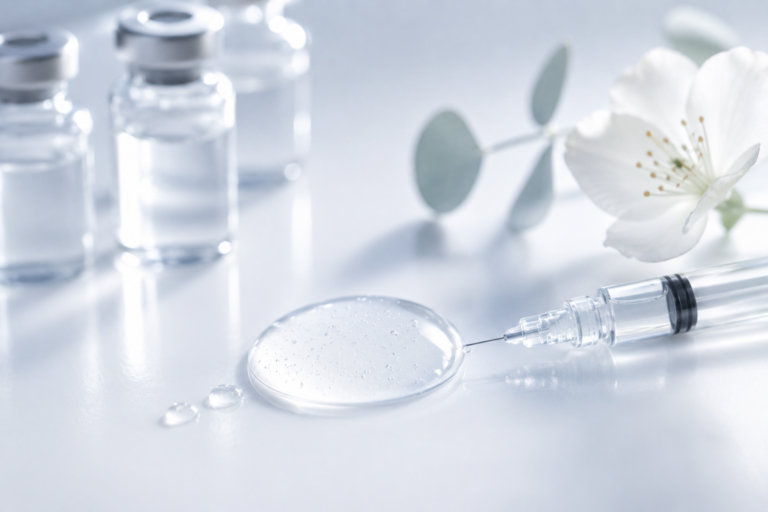
Hyaluronsäure-Filler gehören heute zu den wichtigsten minimalinvasiven Verfahren der ästhetischen Dermatologie und plastischen Chirurgie. Sie werden eingesetzt, um Falten zu glätten, Volumenverluste auszugleichen und die Gesichtskonturen harmonisch zu modellieren. Dabei wird die Füllsubstanz gezielt in die Dermis oder das Unterhautfettgewebe injiziert. Verlorengegangenes Gewebevolumen wird ersetzt, Hautfurchen werden angehoben und das Hautbild wirkt sichtbar glatter. Auch…