
Melatonin Cosmetics: From Sleep Hormone to Beauty Ingredient
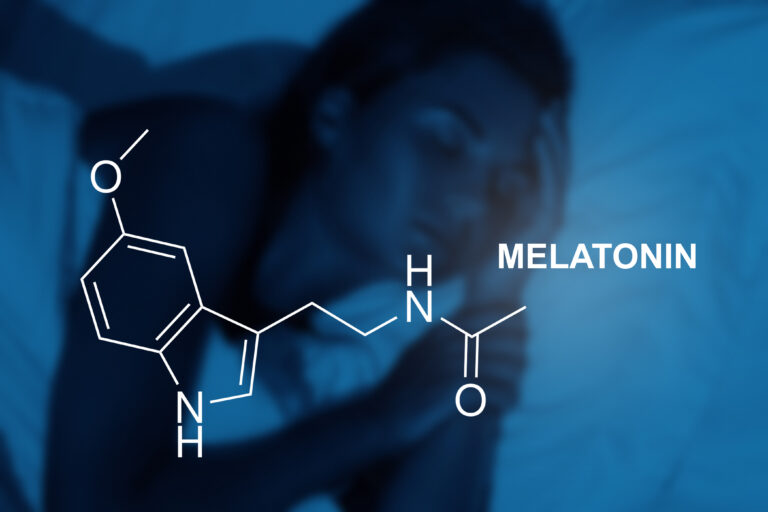
“Sleep Well, Live Better”—this was the theme of World Sleep Day 2026 on March 13, which marked the end of Sleep Awareness Month. It’s a good opportunity to explore a hormone that has long since ceased to be of interest solely as a sleep aid and is increasingly being discussed as an active ingredient in…
Men’s cosmetics
Introduction Just a few years ago, most people would have laughed at the idea of men’s cosmetics. Water, soap, and maybe some shaving cream: that was all a man needed in terms of cosmetics back then. Today, things are very different. More than ever, men also value a well-groomed, fresh appearance. And they now know…
Meno Peels – tailored exfoliation strategies for skin during the menopause

The skin undergoes fundamental changes during the menopause. Falling oestrogen levels have a significant impact on its structure, moisture content and barrier function. Meno peels take these changes in skin condition into account and focus on gentle, regulating and regeneration-supporting concepts instead of aggressive exfoliation. Skin condition after the menopause – what changes With the…
Menopause Rituals and Cosmetics—How Modern Skincare Can Support Women Through Menopause
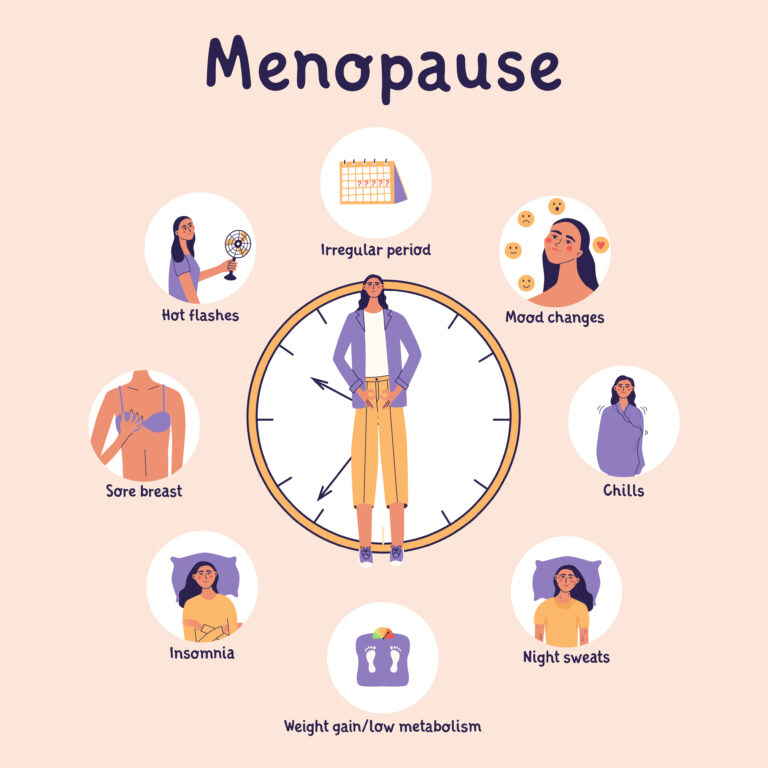
Menopause is no longer a taboo topic. More and more wellness hotels and spa resorts are developing special menopause retreats designed to support women during perimenopause, menopause, and postmenopause. The latest Spa & Rituals Trend Report 2026 describes this area as one of the fastest-growing wellness trends. The focus is on holistic approaches that combine…
Mentyl lactate

Mentyl lactate is a fascinating fragrance and ingredient for skin care that is increasingly being used in the cosmetics world. In this blog article, we explain clearly what mentyl lactate is, how it occurs in nature, how it is obtained, what its advantages and disadvantages are, and where it is used in cosmetic products. Finally,…
Methylisothiazolinone – the hidden allergy trigger

In today’s world, clean surfaces, hygienic floors and sparkling kitchens are a must. But while we enjoy a spotlessly clean home, many cleaning products contain a substance that can be problematic for our health. Methylisothiazolinone, or MIT for short. This preservative has been used in numerous household products for years, despite its alarming allergenic potential.…
Methylsulfonylmethane

When we think of sulphur, we usually immediately think of various unpleasant smells from chemistry lessons. But the fact that sulphur also exists in other forms and is even suitable for beauty care is not so well known. The most interesting example is methylsulfonylmethane (MSM), also called dimethylsulphone. The substance is found in many plant…
Microbiome 2.0: New Active Ingredients for a Balanced Skin Microbiome
For decades, the rule in cosmetics was: as germ-free as possible, cleansed as thoroughly as possible. This way of thinking is outdated. Under the banner of Microbiome 2.0, a paradigm shift has taken place—away from mere germ reduction and toward the targeted modulation of the microbial community on the skin and scalp. This article introduces…
Microbiome skincare: How the skin ecosystem is strengthened

Abstract The cosmetics industry is increasingly using ingredients of microbial origin to specifically support the skin ecosystem. Microbiome skincare aims to stabilise the balance of microorganisms living on the skin, thereby improving skin condition, well-being and appearance. Cosmetic formulations with probiotic lysates can – despite natural exfoliation and constant stress – provide stimuli that promote…
Microbiota

The terms microbiota and microbiome describe, in a narrow sense, the totality of all microorganisms that colonise a living being. In humans, the microbiota consists of bacteria and fungi. When a foetus grows in utero, it is still largely free of microorganisms. However, this changes at birth, when the newborn comes into contact with its…