
Menopause Rituals and Cosmetics—How Modern Skincare Can Support Women Through Menopause
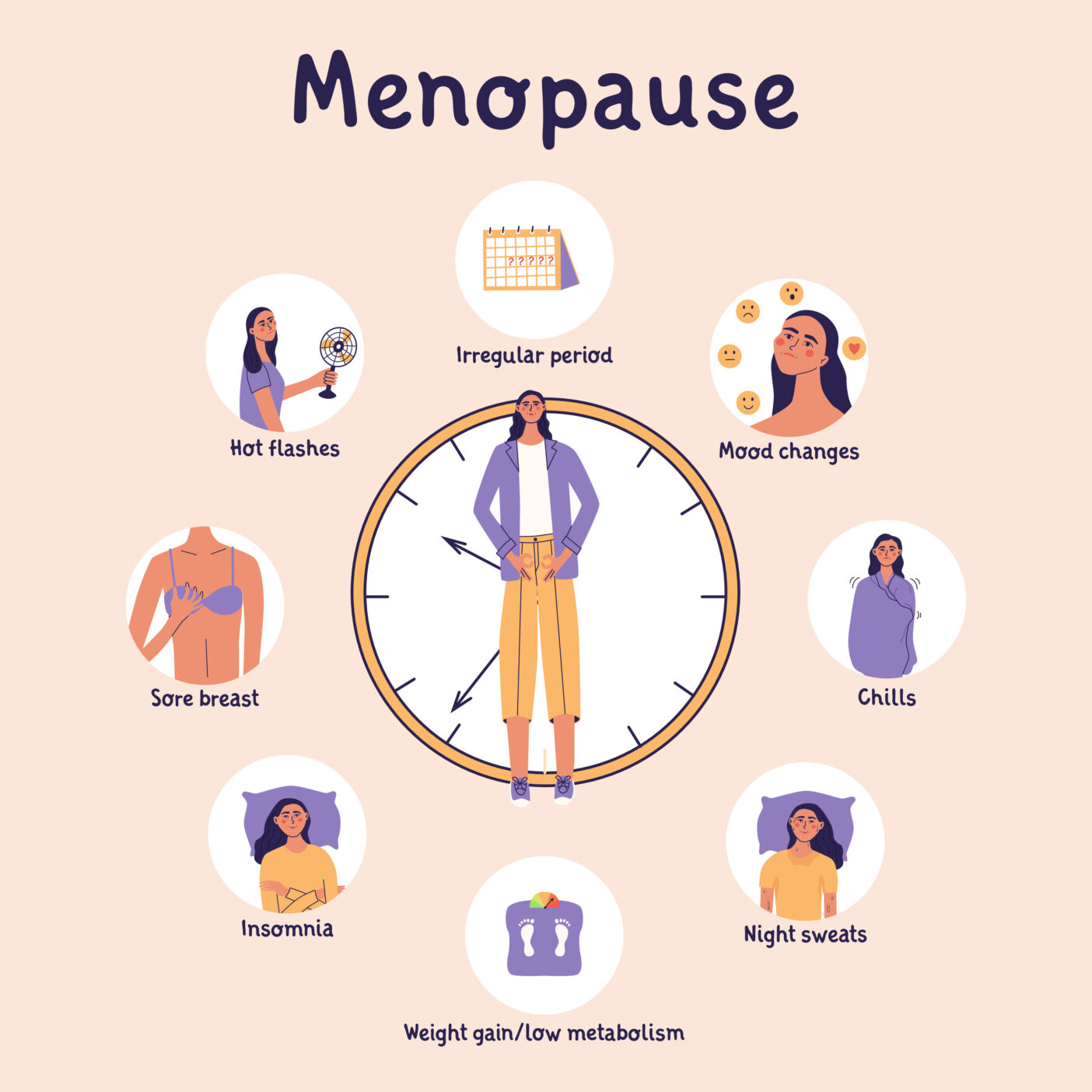
Menopause is no longer a taboo topic. More and more wellness hotels and spa resorts are developing special menopause retreats designed to support women during perimenopause, menopause, and postmenopause. The latest Spa & Rituals Trend Report 2026 describes this area as one of the fastest-growing wellness trends. The focus is on holistic approaches that combine skincare, relaxation, nutrition, exercise, and mental health.
Cosmetics are also evolving. While anti-aging products were once primarily designed to reduce wrinkles, the focus today is on supporting skin undergoing hormonal changes.
A modern menopause ritual and skincare routine therefore means much more than simply applying a single cream. It combines scientifically proven active ingredients with daily care rituals that support the skin, body, and well-being in equal measure.
What happens during menopause?
Menopause refers to the permanent cessation of natural menstruation and usually occurs between the ages of 45 and 55.
However, the so-called perimenopause begins several years earlier.
During this phase, the production of female sex hormones slowly declines.
The following hormones, in particular, undergo changes:
- estrogen
- progesterone
- and, later on, androgens in some cases
These hormonal changes affect nearly all organ systems—but the skin in particular.
Why does the skin change?
Estrogens are among the most important regulators of skin aging.
Among other things, they influence:
- Collagen formation
- Elastin production
- Hyaluronic acid synthesis
- Skin thickness
- Microcirculation
- Sebum production
- Barrier lipid formation
- Wound healing
When estrogen levels drop, many of these processes change simultaneously.
What happens at the cellular level?
- Collagen loss
As early as the first five years after the onset of menopause, women can lose up to 30% of their skin’s collagen.
This results in:
- deeper wrinkles
- reduced skin firmness
- reduced elasticity
Fibroblasts produce less Type I and III collagen and respond more slowly to regenerative growth factors.
- Less hyaluronic acid
As estrogen levels decline, the body’s own production of hyaluronic acid also decreases.
As a result, the skin loses:
- moisture,
- turgor,
- volume.
Many women report experiencing a persistent feeling of dry skin for the first time.
- The skin barrier weakens
The production of important barrier lipids, such as ceramides, decreases.
At the same time, transepidermal water loss often increases.
The result:
- dry skin
- a feeling of tightness
- increased sensitivity
- more frequent irritation
- Oxidative stress increases
With increasing age, the activity of the body’s own antioxidant defense systems declines.
At the same time, more free radicals are produced.
The result:
- accelerated skin aging
- reduced regeneration
- increased tendency toward inflammation
- changes in microcirculation
Many women experience:
- hot flashes
- skin redness
- increased vascular reactions
These are due to altered regulation of the blood vessels.
As a result, the skin also reacts more sensitively to temperature changes.
- Changes in the Skin Microbiome
Recent studies show that hormonal changes can also affect the balance of the skin microbiota.
As a result, the skin can become:
- more sensitive,
- drier,
- more irritated
.
Supporting the microbiome is therefore becoming increasingly important.
Why Are Menopause Retreats Emerging?
More and more women no longer want isolated anti-wrinkle care.
Instead, they’re seeking holistic approaches.
Modern menopause retreats therefore often combine:
- Relaxation programs
- Sleep optimization
- Aromatherapy
- Yoga
- Nutrition
- Exercise
- Meditation
- Skincare
Skincare products become part of a daily self-care ritual.
Which skincare products are suitable for a menopause ritual?
- Menopause Recovery Serum
A highly concentrated serum with
- ectoin
- low-molecular-weight hyaluronic acid
- niacinamide
- beta-glucan
- peptides
provides intense hydration and supports the skin barrier.
- Barrier Repair Rich Cream
A rich face cream with
- ceramides
- cholesterol
- free fatty acids
- squalane
- phospholipids
compensates for the skin’s increasing lipid deficiency.
- Phyto-Hormone Night Cream
A night cream with
- bakuchiol
- isoflavones from soy or red clover
- coenzyme Q10
- peptides
- ectoin
supports the nighttime regeneration of mature skin.
Note: Plant-based isoflavones can be interesting cosmetic active ingredients, but should not be equated with hormone therapy.
- Comfort Body Balm
A body balm with
- shea butter
- oat oil
- ceramides
- panthenol
- squalane
nourishes dry skin and reduces feelings of tightness.
- Cooling Face & Body Mist
A cooling spray with
- ectoin
- aloe vera
- betaine
- cucumber extract
- tremella
ensures a pleasant skin sensation, especially during hot flashes.
- Intimate Care & Barrier Gel
The intimate area also changes during menopause.
A gentle care gel with
- hyaluronic acid
- lactic acid
- panthenol
- beta-glucan
- Prebiotics
can be a useful addition to your daily skincare routine.
Which active ingredients are particularly suitable?
The following are especially well-suited for modern menopause skincare:
- Ectoin
- Ceramides
- Hyaluronic acid
- Beta-glucan
- Niacinamide
- Peptides
- Bakuchiol
- Coenzyme Q10
- Tremella
- Centella asiatica
- Panthenol
- Squalane
- phospholipids
- prebiotics
- plant-based isoflavones
They support hydration, the skin barrier, antioxidant protection, and a comfortable skin feel—areas that are a particular focus during hormonal changes.
Sensory experience becomes a wellness ritual
A modern menopausal ritual and skincare isn’t just about effective ingredients.
Scent, texture, and application also play an important role.
Warm, creamy textures convey a sense of comfort, while light cooling gels or refreshing sprays are perceived as soothing during hot flashes. Gentle fragrance compositions featuring lavender, osmanthus, white tea, or sandalwood can round out the daily skincare ritual and support a moment of mindful self-care.
It is precisely this combination of scientifically grounded skincare and emotional well-being that makes menopause-focused products one of the most exciting growth areas in modern cosmetics.
The Three Most Important Hormones During Menopause
The hormonal changes during menopause affect not only fertility but nearly all organ systems—including the skin, hair, bones, muscles, and nervous system. Three hormone groups are of particular focus.
- Estrogen—the most important “beauty hormone”
Estrogens (especially estradiol) influence numerous skin functions and are considered one of the most important regulators of the female aging process.
Their functions include, among others:
- Promotion of collagen synthesis
- Stimulation of elastin production
- Activation of the body’s own hyaluronic acid synthesis
- Increasing skin hydration
- Improving microcirculation
- Promoting wound healing
- Supporting the skin barrier
- Regulating sebum production
If estrogen levels drop during menopause, the skin loses a significant amount of collagen within a few years, becoming drier, thinner, and less elastic.
As part of gynecological preventive care, estrogen status can be assessed by measuring estradiol (E2) in the blood. In addition, FSH (follicle-stimulating hormone) and LH (luteinizing hormone) are often measured as well, since an elevated FSH level in particular indicates the transition into menopause.
Natural Alternatives
Women who do not wish to undergo hormone replacement therapy can benefit cosmetically from active ingredients that support similar skin functions without being hormones themselves.
These include, for example:
- Soy isoflavones
- Red clover isoflavones
- Bakuchiol
- Peptides
- Ectoine
- Ceramides
- Hyaluronic acid
- Centella asiatica
Soy and red clover isoflavones, in particular, are being intensively studied due to their phytoestrogenic properties. However, their effect is significantly weaker than that of the body’s own estrogens or medical hormone replacement therapy.
- Progesterone—the regulator of balance and regeneration
Progesterone is primarily produced in the corpus luteum of the ovaries.
During perimenopause, progesterone levels often begin to decline several years before the marked drop in estrogen.
Its most important functions are:
- Regulation of the menstrual cycle
- Preparation for pregnancy
- Influence on sleep quality
- Supporting thermoregulation
- Modulating the nervous system
- Co-regulating inflammatory processes
A progesterone deficiency is often associated with sleep disturbances, mood swings, and increased irritability.
As part of gynecological diagnostics, progesterone levels can also be determined through a blood test. However, the interpretation always depends on the menstrual cycle or the phase of menopause.
Natural Alternatives
There is no cosmetic substitute for progesterone.
However, the following, among others, are suitable for supporting stressed or sensitive skin:
- Beta-glucan
- Panthenol
- Oat extract
- Bisabolol
- Ceramides
- Ectoin
These active ingredients can soothe the skin and strengthen its barrier function, but they do not replace hormonal effects.
- Androgens—Often Underestimated
Female skin also needs androgens.
Among the most important are:
- Testosterone
- Dehydroepiandrosterone (DHEA)
They influence, among other things:
- Skin thickness
- Muscle mass
- Sebum production
- Hair growth
- Libido
- Energy balance
During menopause, androgen levels also slowly decline.
The consequences can include:
- thinner skin
- reduced skin firmness
- dry skin
- decreased muscle mass
- reduced energy levels
If indicated, the following can be measured in a blood test, among other things:
- total testosterone
- free testosterone
- DHEA-S
- SHBG (sex hormone-binding globulin)
Natural Alternatives
Here, too, there are no cosmetic active ingredients with a genuine hormonal effect.
However, interesting active ingredients that support skin structure include:
- Peptides
- Bakuchiol
- Coenzyme Q10
- Retinal
- Niacinamide
- PDRN
- Growth factor-like peptides
These promote various aspects of skin regeneration without interfering with hormonal balance.
Important to know
The decision for or against hormone replacement therapy should always be made in consultation with a gynecologist. A blood test as part of a routine gynecological checkup can help better assess an individual’s hormonal status. Cosmetic active ingredients and plant-based ingredients cannot replace medical hormone replacement therapy, but they can effectively complement a skincare routine and address typical changes in menopausal skin.
Conclusion
Menopause profoundly changes the skin. Declining estrogen levels affect collagen production, hydration, the skin barrier, and the skin’s ability to regenerate. At the same time, many women are seeking skincare that not only addresses visible signs of aging but also holistically supports them through this phase of life.
A modern menopausal skincare ritual and cosmetics line therefore combines powerful active ingredients with relaxing skincare rituals and sensory experiences. In this way, skincare becomes an integral part of a holistic wellness concept—similar to sleep retreats or cryotherapy—and helps women feel comfortable in their own skin even during hormonal changes.
Would you like to develop your own menopause skincare line?
The demand for specially developed skincare products for women in perimenopause and menopause is growing steadily. At the same time, consumers are seeking modern concepts that combine skincare, well-being, and scientifically proven active ingredients.
Cosmacon develops customized cosmetic products tailored to the specific needs of hormonally changing skin—from the initial product concept through formulation development to stability testing, safety assessment, and full EU approval. Together, we develop innovative formulations with active ingredients such as ectoine, ceramides, hyaluronic acid, peptides, barrier lipids, or plant-based actives that are optimally tailored to the needs of mature skin.
Want to get to market faster? Tojo Cosmetics offers a wide selection of high-quality private-label products that are ideal as the foundation for a modern menopause care line. Whether it’s a moisturizing serum, barrier cream, night treatment, body balm, or cooling mist—many products can be customized to your brand even in small quantities.
References
- Thornton MJ. Estrogens and Aging Skin. Dermato-Endocrinology. 2013;5(2):264–270. https://doi.org/10.4161/derm.23872
- Stevenson JC, Hodis HN, Pickar JH, Lobo RA. HRT and menopause: current evidence. Climacteric. 2023;26(1):1–15. https://doi.org/10.1080/13697137.2022.2159121
- North American Menopause Society (NAMS). The 2022 Hormone Therapy Position Statement. Menopause. 2022;29(7):767–794. https://doi.org/10.1097/GME.0000000000002028
- Castelo-Branco C, Figueras F. Management of postmenopausal skin. Maturitas. 2014;77(3):203–208. https://doi.org/10.1016/j.maturitas.2013.11.003
- Lephart ED. Phytoestrogens and skin health. Journal of Steroid Biochemistry and Molecular Biology. 2015;146:297–305. https://doi.org/10.1016/j.jsbmb.2014.03.016
- Sator PG et al. The influence of hormone replacement therapy on skin aging: a pilot study. Maturitas. 2001;39(1):43–55. https://doi.org/10.1016/S0378-5122(01)00191-9