
Maximum UV Protection: How Modern, Safe Sunscreens Are Built – With Less Filter and More Performance
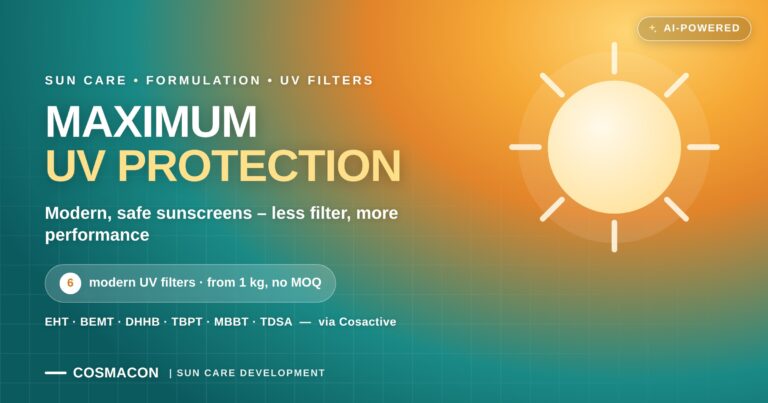
Higher sun protection factor, better UVA protection and, at the same time, stricter safety and environmental requirements: sun care is under pressure in 2026. As one of the leading independent developers of sun protection products, Cosmacon shows how maximum UV protection is achieved through a smartly combined filter system, targeted auxiliaries and the right formulation…
Medical cosmetics

Medical cosmetics: more than just a trend A new trend has been emerging on the cosmetics market for some time now, and since it makes perfect sense, it is here to stay. We are talking about medical cosmetics. They combine the best of two worlds, namely the medical and the cosmetic sectors. Many people only…
Medical Wellness – Health, Well-Being, and Innovative Skin Care
Medical Wellness combines medical knowledge with holistic well-being. The goal is to promote health, quality of life, and personal well-being in a sustainable way—not only through medical interventions, but also through prevention, personal responsibility, and high-quality care. The focus is on the individual and their unique needs. Healthy-looking skin, a comfortable skin feel, and the…
Medically inspired active ingredients

Medically inspired active ingredients are playing an increasingly important role in modern cosmetics. These ingredients, which originally come from medicine or are based on medical findings, are now widely used in skin care products to effectively regenerate, protect and beautify the skin. We would like to introduce some of these active ingredients here: sh-Polypeptide-123…
Melatonin

Beautiful skin through sleep Sleep disorders have become a widespread disease. Is it the lack of melatonin? Poor sleep accelerates the ageing process, reduces performance and causes stress. Relaxation and other methods help you to sleep well again: for more natural beauty, strength and a good mood! Many people suffer from energy-sapping problems with falling…
Melatonin Cosmetics: From Sleep Hormone to Beauty Ingredient
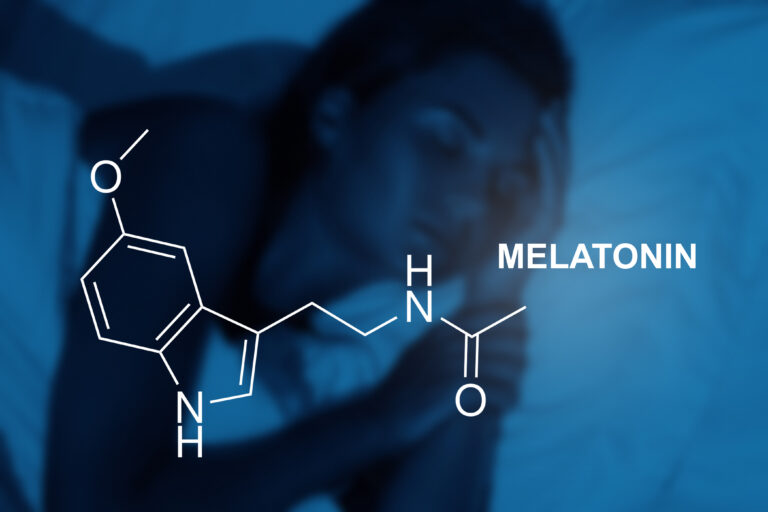
“Sleep Well, Live Better”—this was the theme of World Sleep Day 2026 on March 13, which marked the end of Sleep Awareness Month. It’s a good opportunity to explore a hormone that has long since ceased to be of interest solely as a sleep aid and is increasingly being discussed as an active ingredient in…
Men’s cosmetics
Introduction Just a few years ago, most people would have laughed at the idea of men’s cosmetics. Water, soap, and maybe some shaving cream: that was all a man needed in terms of cosmetics back then. Today, things are very different. More than ever, men also value a well-groomed, fresh appearance. And they now know…
Meno Peels – tailored exfoliation strategies for skin during the menopause
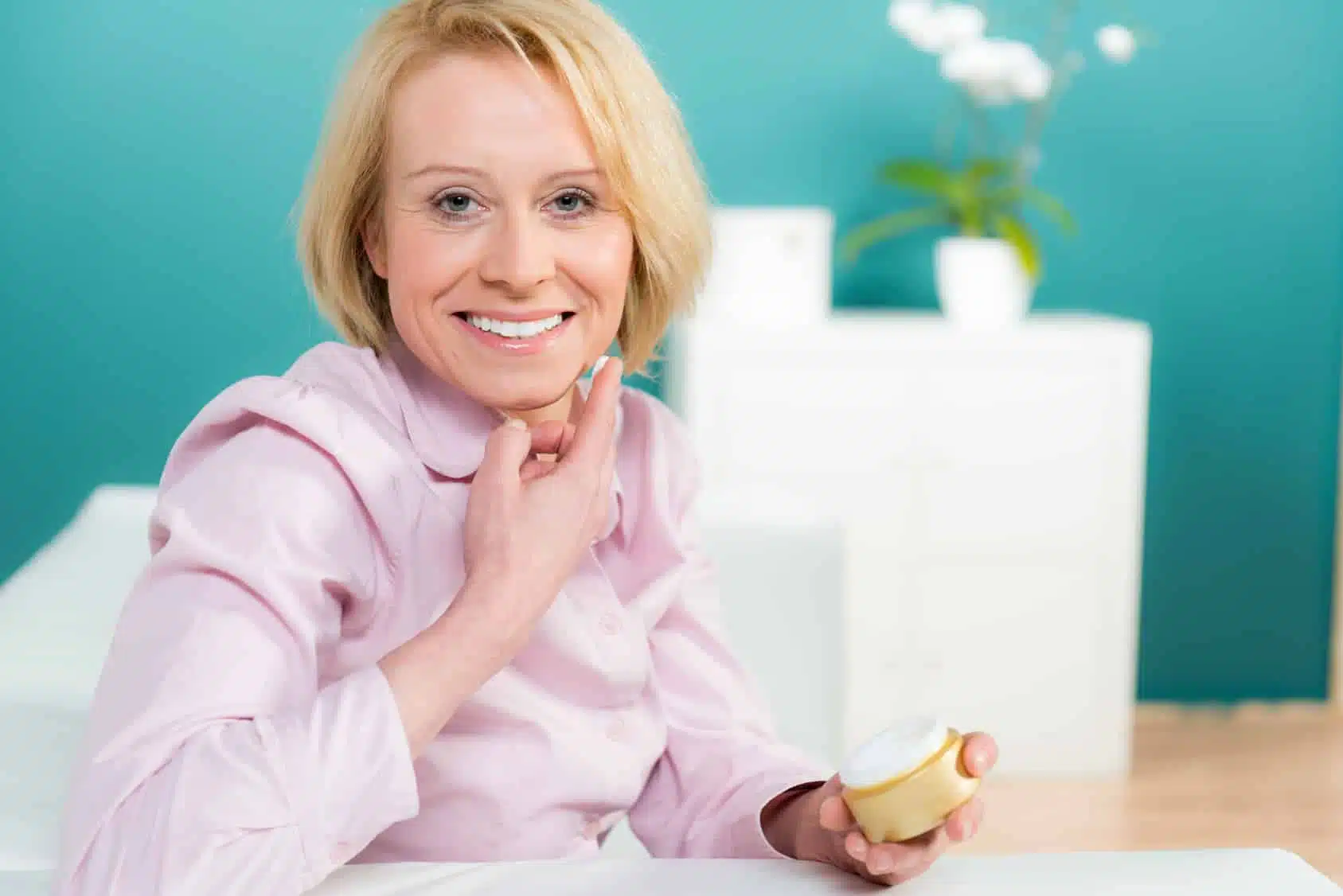
The skin undergoes fundamental changes during the menopause. Falling oestrogen levels have a significant impact on its structure, moisture content and barrier function. Meno peels take these changes in skin condition into account and focus on gentle, regulating and regeneration-supporting concepts instead of aggressive exfoliation. Skin condition after the menopause – what changes With the…
Menopause Rituals and Cosmetics—How Modern Skincare Can Support Women Through Menopause
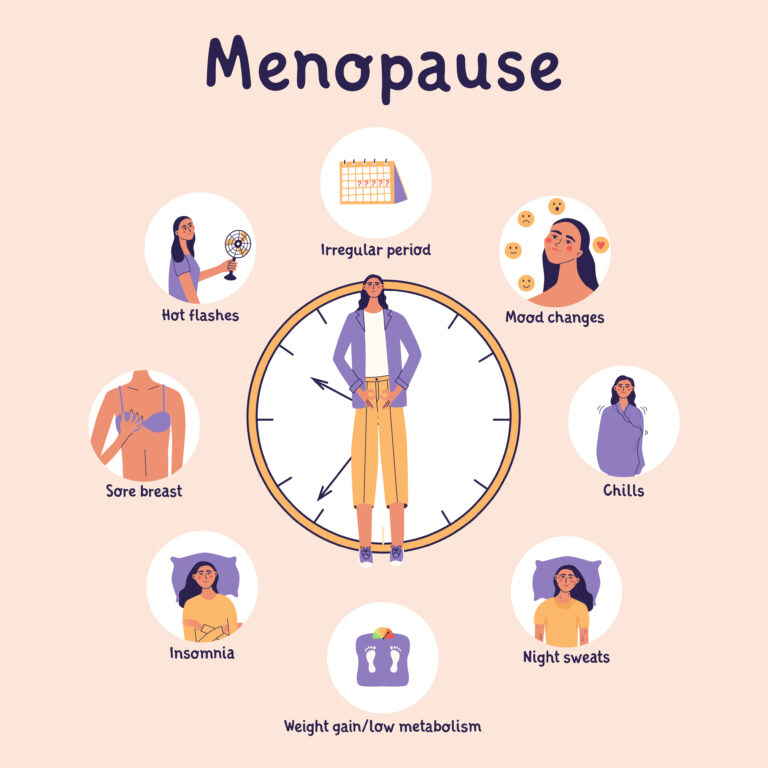
Menopause is no longer a taboo topic. More and more wellness hotels and spa resorts are developing special menopause retreats designed to support women during perimenopause, menopause, and postmenopause. The latest Spa & Rituals Trend Report 2026 describes this area as one of the fastest-growing wellness trends. The focus is on holistic approaches that combine…
Mentyl lactate

Mentyl lactate is a fascinating fragrance and ingredient for skin care that is increasingly being used in the cosmetics world. In this blog article, we explain clearly what mentyl lactate is, how it occurs in nature, how it is obtained, what its advantages and disadvantages are, and where it is used in cosmetic products. Finally,…