
Liposomes

Liposomes (Greek liposoma = fatty body) were first produced in a controlled and reproducible manner by Bangham in 1961 to investigate the structure and function of biomembranes. The term “liposome”, which is still used today, was coined by Sessa and Weissmann. US patent 3957971 was filed in 1974 and granted in 1976. It was…
Liquorice Root Extract
Liquorice root extract is obtained from the Glycyrrhiza glabra plant and is characterised by its many positive properties. The use of liquorice root extract in cosmetics has gained popularity in recent years due to its many benefits for the skin. The anti-inflammatory and antioxidant components help to soothe the skin, while the skin-brightening properties can…
Longevity foot care
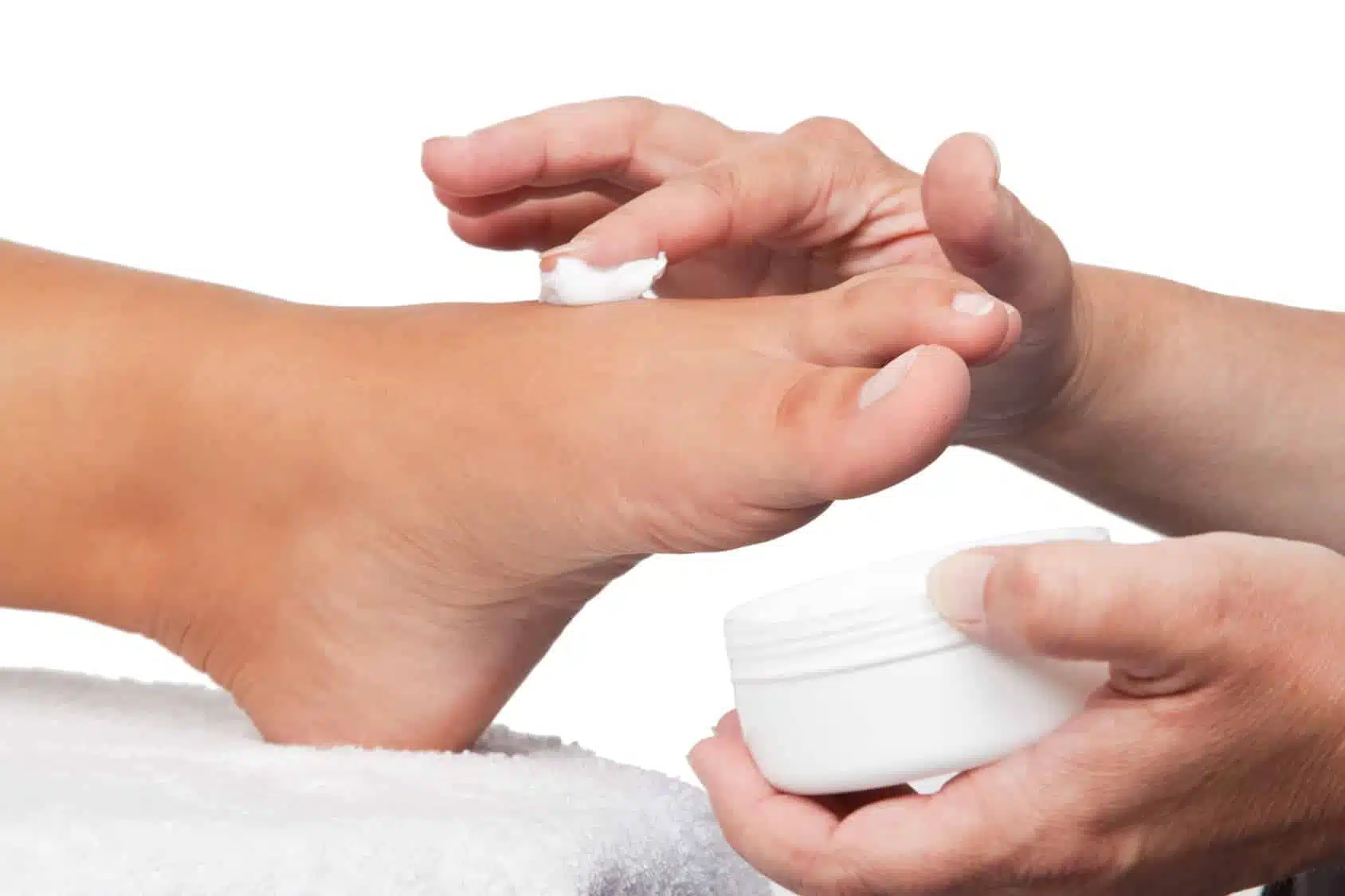
Our feet carry us throughout our lives, yet they are often neglected. However, they are one of the first places to show signs of ageing, mechanical stress and skin changes. This is where Longevity foot care comes in. We do not view foot care as a purely cosmetic treatment, but rather as a long-term skin…
Longevity through cosmetics – the future of skin health

The term ‘longevity’ refers to healthy and active ageing and is becoming increasingly important in modern skin medicine. The aim is to maintain cell function and regenerative capacity in the long term, thereby slowing down the ageing process at a cellular level. Today, longevity through cosmetics describes not only how long we live, but above…
Lycopene

What is lycopene? Lycopene is an antioxidant and is considered an effective free radical scavenger. The substance is approved in the European Union as food colouring E 160d and is often used to colour savoury products, sauces and soups. Lycopene is able to protect human cell membranes and, according to an English study, can even…
Maca extract

The Peruvian Andes are home to maca, a plant that is somewhat similar to our native garden cress. It has been highly valued by the Incas for thousands of years, as the tuberous root in particular is rich in valuable nutrients and vital substances. The tuber is considered a powerful aphrodisiac: in many Andean villages,…
Macadamia nut oil
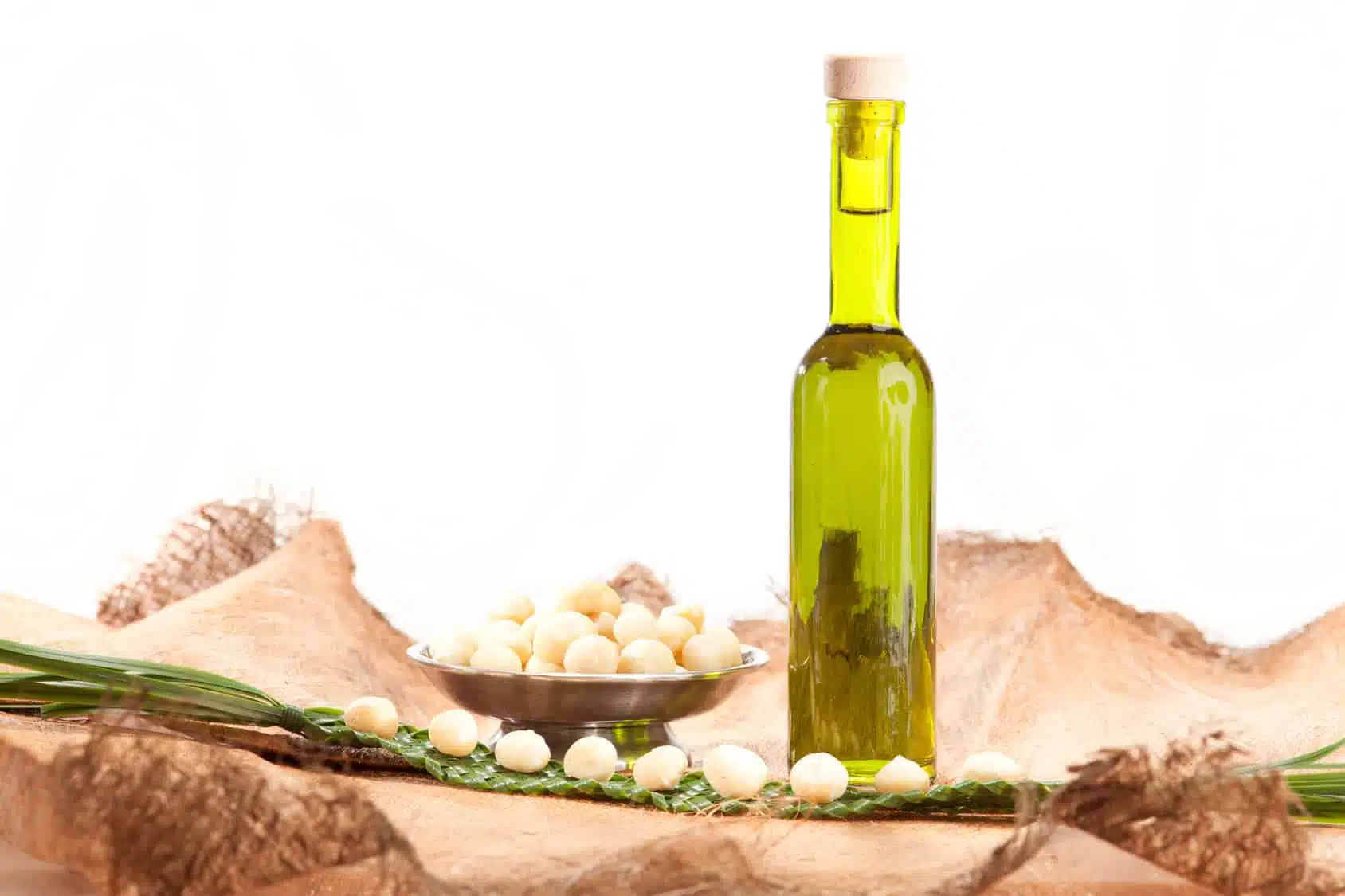
The macadamia nut originally comes from Australia, where it is also known as the Queensland nut or Australian hazelnut. However, the evergreen tree, which can grow up to 15 metres tall, is now also native to the South Pacific and South Africa. It takes around seven to eight years for a young tree to bear…
Made in Germany quality seal

It’s hard to believe, but the Made in Germany logo was originally created as a warning. It was 23 August 1887 when the new Trade Mark Act was passed in Great Britain. At that time, trade in the European single market was growing rapidly. The British had already secured their position as the leading European…
Magnesium Ascorbyl Phosphate: A multifunctional active ingredient

Magnesium Ascorbyl Phosphate (MAP) is a stable, water-soluble form of vitamin C that is valued in cosmetics for its numerous benefits. This active ingredient not only offers protection against free radicals, but also promotes collagen production, making it a popular choice for anti-aging products. Compared to pure vitamin C, magnesium ascorbyl phosphate is significantly more…
Malates

Malates comes from reaction of malic acid. Malic acid (also known as 2-hydroxy succinic acid) is found in the metabolism of all cells and is involved in many metabolic processes in the human organism. In nature, it is mainly found in the unripe fruit of numerous fruit varieties. And not only in apples themselves, but…