Kidfluencers and the Beauty Craze
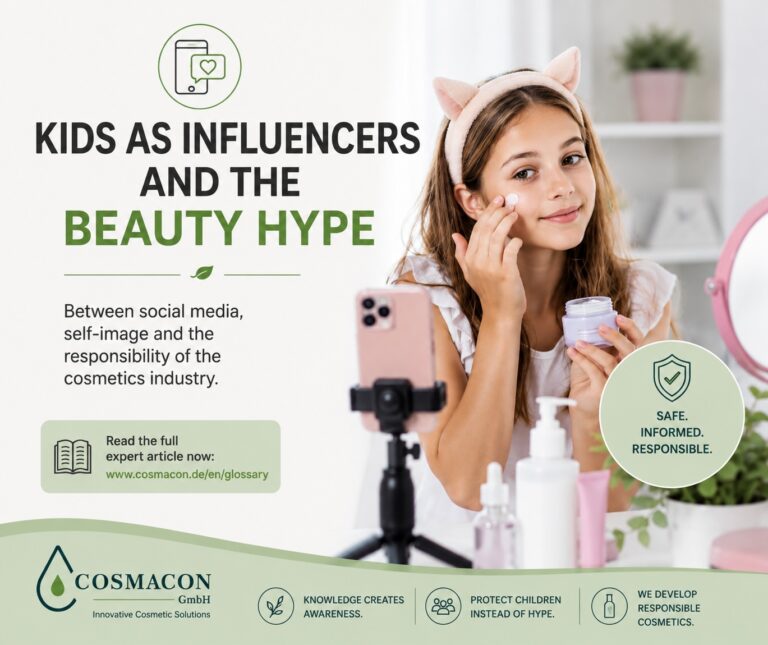
Why Children’s Skin Doesn’t Need Adult Cosmetics “Get ready with me for kindergarten!”—what sounds like a bad joke to older generations has long been an everyday occurrence on TikTok, Instagram, and YouTube. Even four-year-olds start their day with a multi-step “beauty routine” consisting of creams, masks, serums, and lip gloss. The stars of this trend…
Kojic acid – an effective active ingredient for an even complexion
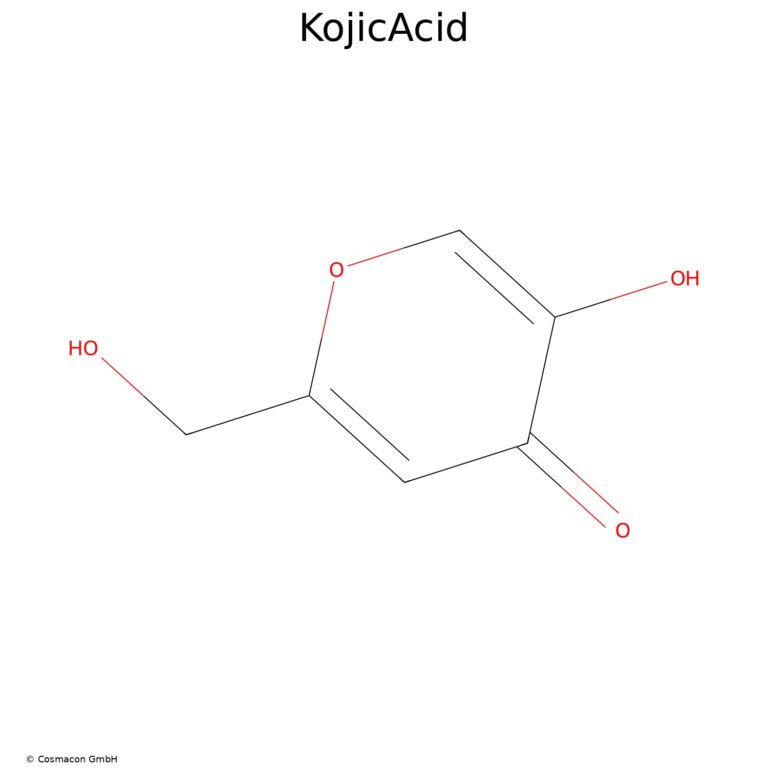
The skin care industry is constantly on the lookout for active ingredients that can improve the appearance, complexion and radiance of the skin. One of the best-known and most effective active ingredients in the field of skin lightening is kojic acid. It has been used successfully in Asia for years and has now also established…
Lactic Acid vs Citric Acid vs Glycolic Acid: Which Organic Acid Belongs in Your Formulation?
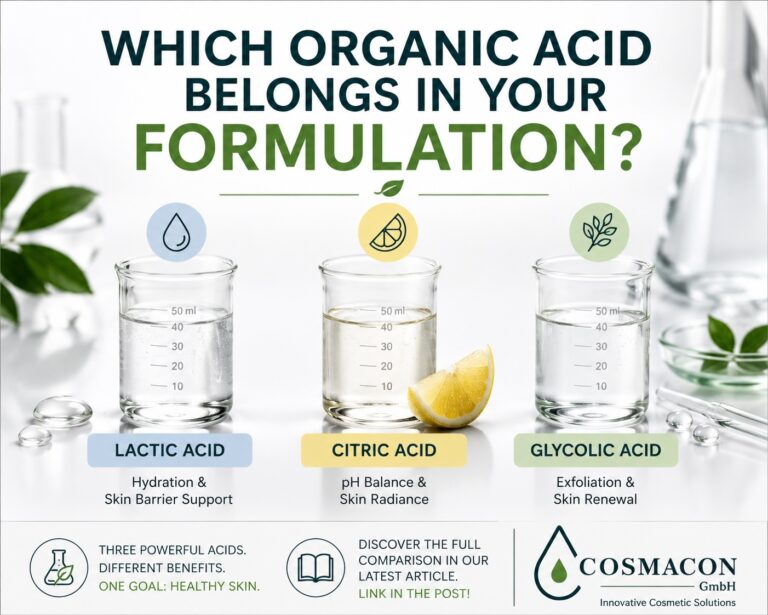
Lactic acid, citric acid, and glycolic acid—as organic acids—have long been more than just pH regulators in modern cosmetics and home care development. They are multifunctional tools that combine cleansing power, skin care, preservative support, and sustainability in a single raw material. But anyone looking to optimize a formulation quickly faces a fundamental question: Which…
Lactose-free

Many people now pay attention to “lactose-free” because they have a proven lactose intolerance. But what does that mean? Milk sugar (Saccharum lactis, lactose) was first discovered in 1633. Scientists proved that lactose is a so-called disaccharide, which consists of the two simple sugars dextrose (glucose) and mucilage sugar (galactose). Lactose intolerance means that…
Lanoline

Sheep are exposed to a wide variety of weather conditions on a daily basis. To ensure that they are optimally protected from rain, dirt and moisture, their sebaceous glands secrete a substance known as lanoline, wool wax or, incorrectly, wool grease. It forms a waxy coating on the wool fibre that protects the wool from…
Laurel wax

Laurel wax is still a relatively new cosmetic raw material, but it is becoming more and more popular. And with good reason, as the wax offers countless benefits and is completely natural. Origin and extraction Laurel wax is sometimes also called myrica wax, but chemically it is not a wax but a fat. It…
Layering – the secret to radiant skin
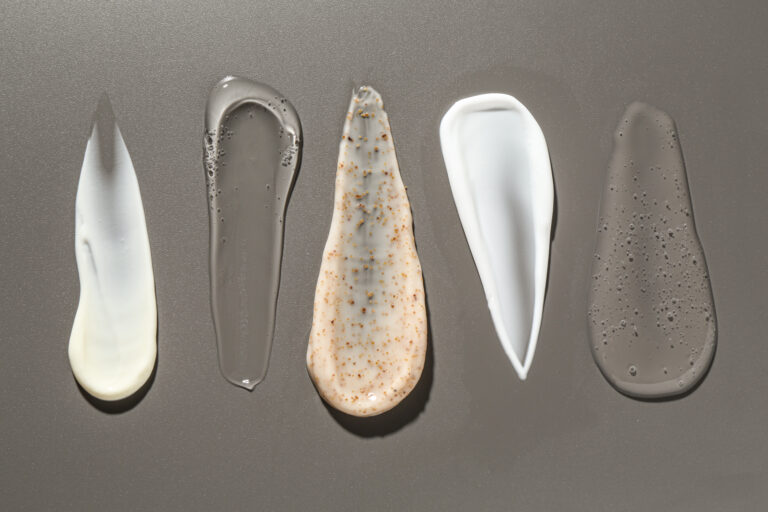
So-called skincare layering has long been more than just a short-lived beauty trend. Rather, it is a well-thought-out skincare concept in which the skin is optimally cared for in several steps. With this layered skincare, different products are applied one after the other in the correct order, with their active ingredients coordinated to work together.…
Lemon oil
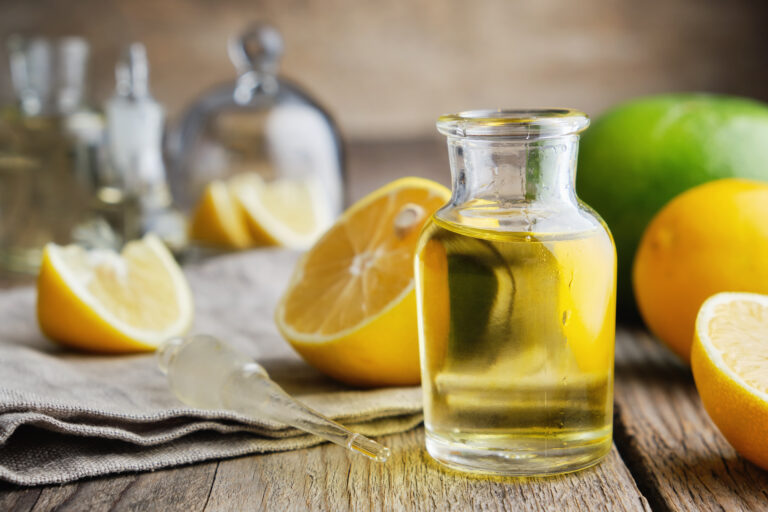
Introduction to lemon oil Lemon oil, which is extracted from the peel of citrus limon, is a versatile essential oil that is valued in both aromatherapy and skin care. It is known for its invigorating scent and cleansing properties and is used in many cosmetic and wellness products. Origin and extraction Lemon oil is…
Lion’s Mane Mushroom – Neuroactive mycotherapy for skin barrier health, stress balance, and sensitive skin
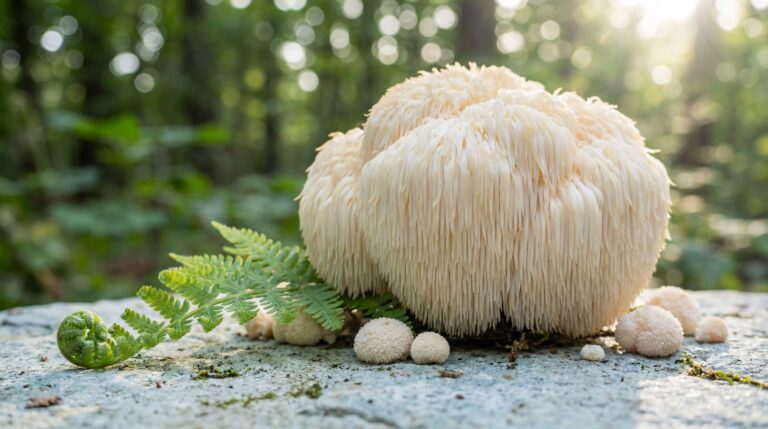
Hericium erinaceus is one of the most interesting medicinal mushrooms in modern mycotherapy. While many mushroom species primarily have antioxidant or immunomodulatory effects, Hericium erinaceus plays a unique role. It is traditionally associated with nerve regeneration, stress resilience, and the gut-skin axis. Hericium erinaceus is distinguished by its unique properties, which make it particularly well-suited…
Lip care

Nowadays, there are many different lip care products available to consumers. Although the classic stick is still the best known and perhaps most popular method of caring for the lips, there are also creams in jars or tubes, special lip balms and even lip scrubs. Which product is used depends not only on personal preference,…