
Hand Cream
Beautiful hands are an important prerequisite for a well-groomed appearance and moisturising your hands should be part of your daily care ritual. However, the skin on this part of the body is relatively sensitive and has to withstand a lot. After all, our hands are constantly in action and are therefore one of the most…
Hand hygiene
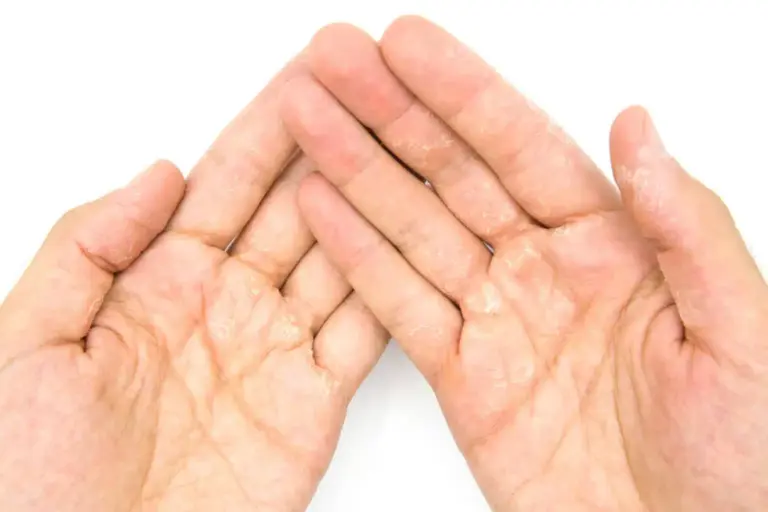
Introduction Good hand hygiene should always be a matter of course. However, it is currently more important than ever, because in times of coronavirus, it can save lives. After all, our hands are constantly in contact with germs… including the coronavirus. If we touch our face with unwashed hands, consciously or unconsciously, the treacherous pathogen…
Have a cosmetics brand built from scratch: The fastest way from concept to finished product

What does it mean to have a cosmetics brand built from scratch? Anyone looking to have a cosmetics brand built from scratch faces a complex task: It’s not just about developing a product, but about building a fully functional system. This includes: Product development and formulation Regulatory requirements (EU, and internationally if applicable) Production and…
Healthy Skin
Radiant, healthy skin is something many people want. But sometimes fate throws a harsh challenge our way, such as a serious or chronic illness. At such times, people have to focus all their energy on recovering and relieving their symptoms. In addition to these stresses, medications and the disease itself can often change the appearance…
Hexanediol: Multifunctional, safe & modern formulation

Introduction: Why hexanediol is indispensable today At a time when consumers expect highly effective, maximally skin-friendly and microbiologically safe products, hexanediol is playing a key role. The active ingredient is now one of the most popular multifunctional ingredients used by modern formulators, combining product protection, moisturisation and sensory optimisation in a single molecule. Its reliability,…
Hops

Hops have been considered the soul of beer for centuries. It fulfils several functions in this popular beverage: It stabilises the beer foam, its antibiotic properties protect against rapid spoilage and its high content of bitter and aromatic substances intensifies the typical taste of beer. The medicinal plant of the year 2007 is mainly native…
How a new skin care product is created – from idea to shelf
Developing a new skin care product is an exciting and demanding process. From the initial idea to the finished product on the shelf, it goes through numerous phases – each of which is crucial for quality, effectiveness and market success. In this article, you will learn step by step how a new skin care product…
How to get started in private label cosmetics

The desire to have your own cosmetics brand is greater than ever. At the same time, many companies are deterred by high development costs, long project durations and regulatory hurdles. This is exactly where private label cosmetics offer an attractive solution: marketable, tested products that can be sold immediately under your own brand. What are…
How we develop cosmetic products – from evidence to finished product

For us, professional cosmetic product development does not begin with marketing claims, but with thorough research. We always start with a systematic analysis of current, innovative and evidence-based active ingredients. We evaluate the study situation, the mechanisms of action, the regulatory classification, the availability, the stability and the actual benefits for the respective skin condition…
Hyaluron Cream
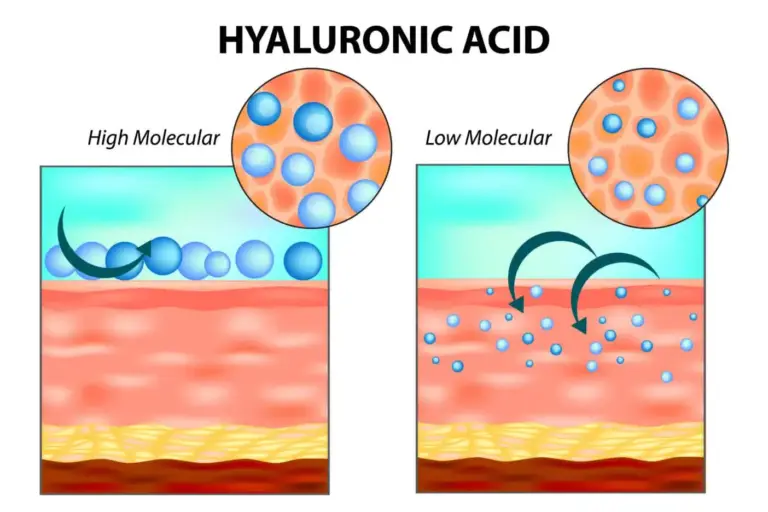
Introduction In the 1930s, German physician Karl Meyer discovered hyaluronic acid. Glycosaminoglycan is an important component of our connective tissue and fulfills many tasks. For example, it plays a major role in cell migration, i.e., cell movement within our body, and in cell proliferation (cell growth and cell division). It is also largely responsible for…