
Facial Redness
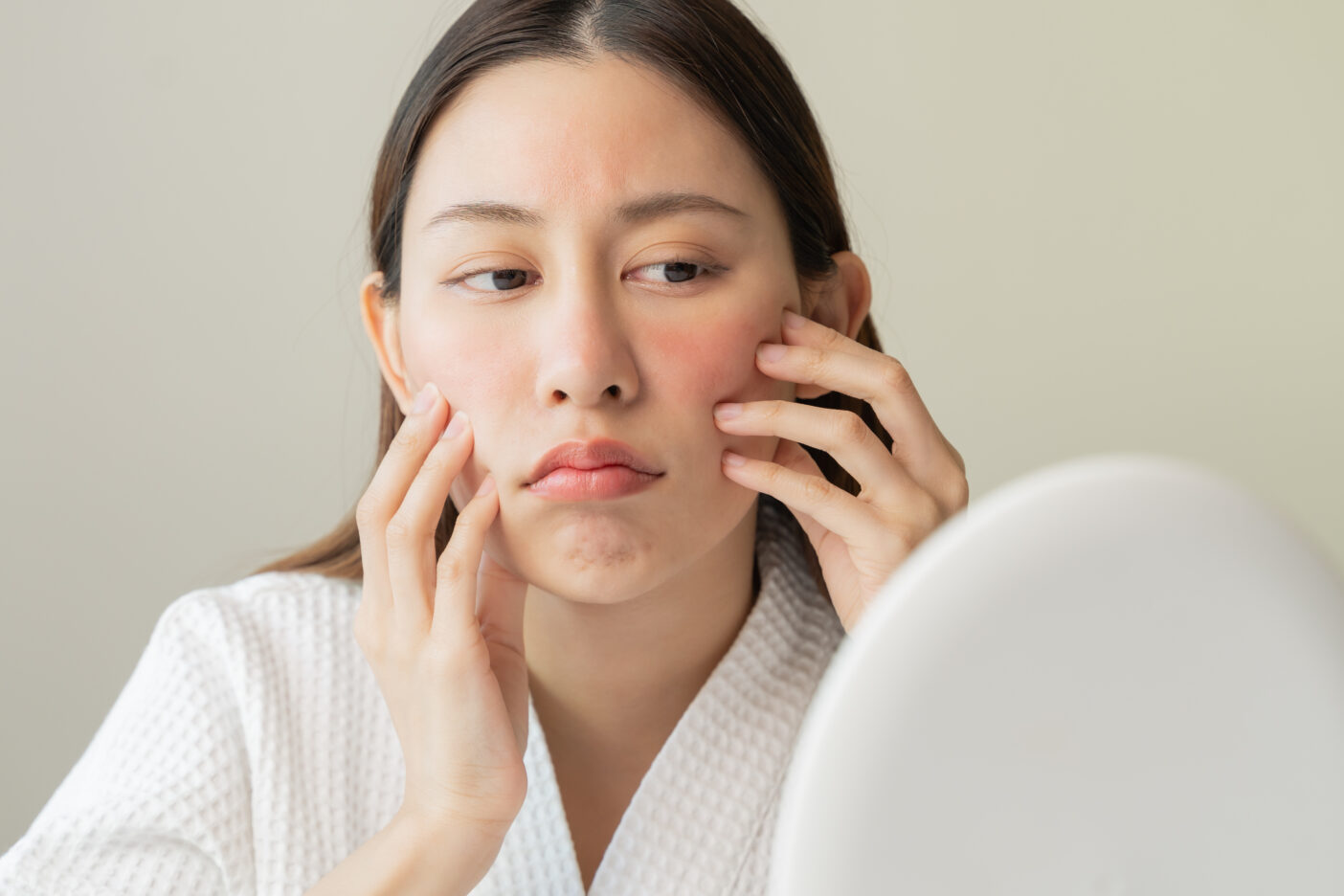
Facial Redness: Innovative Active Ingredients for Sensitive and Reddened Skin
Facial redness, an unpleasant feeling of tightness, burning, or itching: Sensitive skin poses challenges for many people. Visible red patches, an uneven complexion, and skin reactions that can be triggered even by everyday environmental factors are particularly bothersome.
The causes are varied. Temperature fluctuations, UV radiation, stress, harsh cleansing products, or a compromised skin barrier can contribute to temporary redness. Skin conditions such as rosacea, eczema, or acne can also be accompanied by these symptoms.
Facial redness is therefore an interesting area of application for modern cosmetic active ingredient concepts. Innovative plant extracts, skin-soothing peptides, lipid systems, and biotechnologically derived ingredients offer various ways to improve the appearance of reddened skin.
The focus is on three key goals: supporting the skin barrier, reducing skin discomfort, and promoting the skin’s natural resilience.
For cosmetics manufacturers and brands, this opens up numerous opportunities to develop high-quality skincare products for sensitive skin and skin prone to redness.
Why does facial redness occur?
Visible redness is often caused by increased blood flow in superficial skin vessels. Various biological processes may be involved in this.
1. Impaired Skin Barrier
The outermost layer of the skin forms a protective barrier against external influences.
If its function is impaired, transepidermal water loss (TEWL) can increase. At the same time, irritating substances can more easily come into contact with sensitive areas of the skin.
The skin may react with:
- Dryness and tightness
- Burning or stinging
- Roughness
- Increased sensitivity
- Visible redness
2. Inflammatory signaling pathways
When the skin is irritated, various signaling molecules may be released.
These include, among others, interleukins, tumor necrosis factor-alpha (TNF-α), and other mediators involved in the regulation of inflammatory responses.
Interleukin-1α (IL-1α) also plays an important role in epidermal stress responses.
3. Neurovascular Reactions
In sensitive skin, nerve endings and blood vessels may react more strongly to external stimuli.
Temperature changes, spicy foods, alcohol, or emotional stress can, for example, trigger temporary flushing.
4. Environmentally Induced Stress
UV radiation, air pollutants, and unsuitable skincare products can contribute to oxidative stress and skin irritation.
A high-quality cosmetic formulation should therefore not rely exclusively on a single active ingredient but should take multiple aspects of skincare into account.
Which active ingredients help with facial redness?
Modern cosmetics offer various approaches to caring for sensitive skin.
Of particular interest are:
- Antioxidant plant extracts
- Skin-soothing ingredients
- Barrier-strengthening lipids
- Moisturizing polysaccharides
- Selected peptides
- Innovative active ingredient delivery systems
Below, we present interesting raw material concepts suitable for the development of modern anti-redness products.
1. Maritime pine and turmeric: Activys® Red-Out
Trade name: Activys® Red-Out
Supplier: Infinitec
Activys® Red-Out combines plant extracts from maritime pine and turmeric with a lipid-based delivery system.
The active ingredient was specifically developed for skincare formulations targeting visible redness and sensitive skin.
Maritime pine: Polyphenols with antioxidant potential
The bark extract of the maritime pine (Pinus pinaster) contains various polyphenolic compounds.
These include, in particular:
- Procyanidins
- Flavonoids
- Other phenolic plant compounds
These substances are of interest due to their antioxidant properties.
In experimental studies, certain polyphenols have been shown to influence biological signaling pathways associated with oxidative stress and inflammatory responses.
Turmeric: Interesting secondary plant compounds
Turmeric (Curcuma longa) contains curcuminoids and other plant compounds.
Curcumin, in particular, is being studied for its antioxidant properties and its influence on various inflammation-related signaling pathways.
For cosmetic formulations, the actual composition of the extract used is crucial.
The Activys® carrier system
A distinctive feature of the active ingredient complex is its lipid-based carrier system containing omega-3 fatty acids.
Such systems can improve the formulability of lipophilic ingredients and influence their distribution within a cosmetic formulation.
Omega-3 fatty acids are also of interest for skin-care lipid formulations due to their biological properties.
However, increased penetration or bioavailability must be experimentally demonstrated for the respective active ingredient system.
Efficacy Studies
According to the manufacturer, Activys® Red-Out was evaluated with respect to various parameters.
These include:
- Inflammation-associated biomarkers
- Transepidermal water loss
- Skin barrier condition
- Visible redness
- Number and area of reddened skin regions
In vitro studies can provide insights into biological mechanisms of action.
Clinical studies in humans, on the other hand, are particularly important for assessing cosmetic efficacy under realistic conditions of use.
Potential Applications
Activys® Red-Out is suitable as an active ingredient concept for:
- Anti-redness serums
- Skincare for sensitive skin
- Barrier-protecting creams
- Skin-soothing face masks
- Skincare products for skin prone to irritation
2. Ginkgo biloba in liposomes: LIP-21
Trade name: LIP-21 Phlebotonic Ginkgo Biloba Phyto-Liposomes
Supplier: NanoVec
LIP-21 combines Ginkgo biloba extract with vitamin E in a liposomal delivery system.
What are liposomes?
Liposomes are small vesicular structures composed of phospholipids.
Due to their amphiphilic properties, phospholipids can be combined with both water-soluble and lipophilic components in suitable formulation systems.
Liposomes are therefore frequently used to stabilize sensitive active ingredients or to improve their distribution within a formulation.
The actual effect on skin penetration and the skin barrier depends on the composition and structure of the respective system.
Ginkgo biloba: Flavonoids and Terpene Lactones
Ginkgo leaves contain various phytochemicals.
These include:
- Flavonoid glycosides
- Quercetin derivatives
- Kaempferol derivatives
- Ginkgolides
- Bilobalide
These ingredients are studied in particular for their antioxidant and other biological properties.
For cosmetic use, standardized extracts with appropriate purity and good tolerability are particularly important.
Vitamin E as an Antioxidant Component
Vitamin E, such as tocopherol, is a lipophilic antioxidant.
It can help protect sensitive lipid components from oxidative damage.
In cosmetic formulations, it is used both as an antioxidant for the formulation and as a skin-care ingredient.
Cosmetic Applications
LIP-21 is particularly suitable for:
- Care for sensitive skin
- Antioxidant facial care
- Anti-redness products
- Barrier-protecting serums
- High-quality anti-aging formulations
3. Poria cocos: A Traditional Mushroom with Interesting Triterpenes
Botanical raw material: Poria cocos
Examples of commercial raw materials: Via Pure® from GFN-Selco and SpecPur® PC1 from Spec-Chem Industry
Poria cocos, also known as the Fu-Ling mushroom, has a long tradition in Chinese botany.
The mushroom contains various biologically interesting substances.
Of particular relevance are:
- Lanostane triterpenoids
- Polysaccharides
- Other secondary constituents
Triterpenes and biological signaling pathways
Certain triterpenes from Poria cocos are being studied for their influence on inflammation-associated signaling pathways.
In experimental models, correlations with TNF-α, IL-1, and IL-6, among others, have been described.
These results are scientifically interesting but should not be directly equated with clinical efficacy on human skin.
Use in Cosmetic Products
Poria cocos extracts are suitable as interesting ingredients for:
- Care for sensitive skin
- Anti-redness serums
- Formulations for combination skin
- Care for skin prone to blemishes
- Antioxidant facial care
Actual suitability depends on the quality of the extract used and the available efficacy data.
4. Chinese horse chestnut: Aesculus chinensis
Botanical raw material: Aesculus chinensis
Example commercial raw material: Gerbex®
Supplier: Shanghai JAKA (GREAF) Biotech
The Chinese horse chestnut is a plant species whose seeds contain various secondary metabolites.
Of particular interest are the triterpene saponins it contains.
Aescin and related saponins
Horse chestnut extracts are particularly well known for their saponin fractions.
These are being studied in various fields of research with regard to their biological properties.
For cosmetic applications, studies on skin tolerance and the appearance of stressed skin are particularly relevant.
Polysaccharides for Skin Care
Plant-based polysaccharides can possess moisture-binding and film-forming properties.
This makes them interesting ingredients in skincare formulations for dry and sensitive skin.
Possible Product Concepts
- Facial care for skin prone to redness
- Moisturizing serums
- Soothing face masks
- Skincare products for demanding skin
For products intended for skin affected by rosacea, a clear distinction must be made between cosmetic care and medical treatment.
5. Licorice: Glycyrrhiza glabra for sensitive skin
Botanical raw material: Glycyrrhiza glabra
Example commercial raw material: Actiphyte Licorice Root
Supplier: Lipotec
Licorice is one of the most interesting plants for cosmetic skincare concepts.
Its root contains various biologically active compounds.
These include:
- Glycyrrhizin
- Glycyrrhetinic acid
- Flavonoids
- Glabridin
- Other phenolic compounds
What properties does licorice have?
The individual components differ in their biological properties.
Glycyrrhetinic acid and various flavonoids are being studied, among other things, for their skin-soothing and antioxidant mechanisms of action.
Glabridin is also of interest for cosmetic formulations aimed at achieving a more even skin tone.
Possible Applications
Licorice extracts are suitable for:
- Anti-redness care
- Skin-soothing serums
- Care for sensitive skin
- Facial care for uneven complexion
- Barrier protection products
When selecting an extract, it is important to consider which ingredients are actually present and standardized in the respective extract.
6. Three plant extracts combined: Comthing® SGS
Trade name: Comthing® SGS
Supplier: Shanghai JAKA (GREAF) Biotech
Comthing® SGS combines three plant extracts:
- Sophora flavescens
- Glycyrrhiza inflata
- Scutellaria baicalensis
These plants contain various secondary metabolites that are of interest for cosmetic active ingredient formulations.
Sophora flavescens
The plant contains various alkaloids and flavonoids.
Certain components are being studied for their biological activity.
Glycyrrhiza inflata
Chinese licorice contains, among other things, flavonoids such as licochalcone A.
This ingredient is of interest for cosmetic formulations due to its antioxidant and skin-soothing properties.
Scutellaria baicalensis
The root of Baikal skullcap contains various flavonoids.
These include baicalin and baicalein.
In experimental studies, these substances have been linked to antioxidant and inflammation-related signaling pathways.
Cosmetic Potential
The combined plant complex is suitable for skincare regimens focused on:
- Sensitive skin
- Visible redness
- Antioxidant care
- Supporting the skin barrier
7. Tasmanian Pepper: Tazman Pepper™ AF
Trade name: Tazman Pepper™ AF
Supplier: Lucas Meyer Cosmetics
Botanical origin: Tasmannia lanceolata
Tasmanian pepper is an Australian plant species whose fruits and leaves contain various biologically interesting compounds.
Particularly well-known are certain aromatic compounds and polyphenols.
Active Ingredient Approach
Extracts from Tasmannia lanceolata are offered for cosmetic products designed for sensitive skin and skin discomfort.
In active ingredient research, connections with sensory skin reactions and inflammation-associated signaling pathways, among other things, are being investigated.
Suitable Product Ideas
- Soothing facial serums
- Skincare for skin prone to redness
- Sensitive-skin creams
- After-sun products
- Moisturizing face masks
Of particular interest are formulations that simultaneously support hydration and the skin barrier.
8. Hemp: Plant-Based Ingredients for the Skin Barrier
Example Commercial Raw Material: Hemp Glycerin Seed Cake ORGANIC
Supplier: Sano GmbH
Hemp-based cosmetic raw materials can be derived from various parts of the plant.
Their composition depends heavily on the raw material used and the extraction method.
Hemp seeds and their constituents
The seeds of the hemp plant are rich in lipids, proteins, and various other bioactive compounds. Particularly noteworthy is the oil’s high content of polyunsaturated fatty acids, which makes it an interesting ingredient for innovative skincare formulations.
These include:
- Linoleic acid
- Alpha-linolenic acid
- Other fatty acids
In contrast, a glycerin-based extract from hemp seed press cake features different groups of constituents than pure hemp seed oil.
Cosmetic Properties
Depending on their composition, hemp-based raw materials may be suitable for the following skincare goals:
- Moisturization
- Smooth skin feel
- Care for dry skin
- Support for the skin barrier
- Antioxidant skincare formulations
The specific effect should be evaluated based on the respective raw material documentation.
9. Silver Carboxymethylalaninate: Inacalm®
Trade name: Inacalm®
Supplier: Inabata
INCI: Silver Carboxymethylalaninate
Inacalm® is an interesting example of a functional cosmetic ingredient based on an amino acid derivative combined with silver.
Active Ingredient Concept
The raw material is offered for skincare concepts designed to support the skin’s natural balance.
In particular, the skin microbiome and the interaction between microorganisms and epidermal protective mechanisms play a key role.
Why is the skin microbiome important?
Numerous microorganisms live on the skin.
Together, they form a complex microbial ecosystem.
The composition of the microbiome can be influenced by various factors, such as:
- Skin moisture
- pH level
- Lipid composition
- Cleansing
- Environmental conditions
- Cosmetic formulations
A balanced skincare regimen should therefore take the skin barrier and the natural skin environment into account.
Cosmetic Applications
Inacalm® is of interest for modern sensitive-skin formulations.
For ingredients containing silver, the applicable regulatory requirements, the exact INCI entry, and the intended product applications must be carefully reviewed.
10. Jasmine Floral Water: Jasminum sambac
Example Commercial Raw Material: Jasmine Floral Water
Supplier: Berkem
INCI: Jasminum Sambac (Jasmine) Flower Water
Jasmine flower water is a plant-based raw material suitable for various cosmetic formulations.
Depending on the manufacturing process, it contains water-soluble plant constituents as well as small amounts of volatile fragrance components.
Cosmetic benefits
Jasmine flower water can be used as a component of the aqueous phase.
Interesting product concepts include:
- Facial toners
- Moisturizing sprays
- Light facial emulsions
- Facial masks
- Refreshing skincare products
Suitability for sensitive skin
Even natural floral waters may contain fragrance components.
Therefore, for products intended for particularly sensitive skin, the allergen and tolerability documentation should be carefully reviewed.
Botanical origin alone does not guarantee particularly good skin tolerance.
11. Peptides for Resilient Skin
Peptides are among the innovative ingredients in modern cosmetics.
They consist of short amino acid sequences and, depending on their structure, can influence various biological processes.
Acetyl Hexapeptide-1
Acetyl Hexapeptide-1 is offered for various cosmetic skincare formulations.
Its specific effect depends on the raw material system used and the available studies.
Tetrapeptide-21
Tetrapeptide-21 is a signaling peptide that is being studied in relation to the extracellular matrix.
It is particularly interesting for high-quality anti-aging and skincare formulations.
What role do peptides play in sensitive skin?
Selected peptides can be components of formulations designed to improve the skin’s appearance and support the skin barrier.
However, not every peptide automatically has a proven anti-redness effect.
The selection should therefore be based on the available data for the respective active ingredient.
Reducing facial redness: Why the entire formulation is crucial
A high-quality skincare product for sensitive skin requires more than just an innovative plant extract.
The entire formulation influences how well a product is tolerated.
Suitable humectants
Of particular interest are:
- Glycerin
- Hyaluronic acid
- Betaine
- Panthenol
- Ectoine
Barrier-strengthening lipids
A suitable combination may include:
- Ceramides
- Cholesterol
- Free fatty acids
- Squalane
- Plant-based lipids
Mild emulsion systems
Lamellar emulsions and other well-tolerated formulation bases may be suitable for sensitive skin.
Adjusted pH Level
The pH level should be tailored to the active ingredients used, the product category, and the desired skin tolerability.
Fragrance Concept
Fragrance-free formulations may be appropriate for sensitive skin.
Essential oils and natural fragrance components must also be evaluated for tolerability.
Five Innovative Product Ideas for Visible Facial Redness
The combination of modern active ingredients opens up interesting possibilities for new cosmetic products.
1. Anti-Redness Calming Serum
A lightweight facial serum with selected plant extracts, panthenol, and ectoine.
Product concept: Soothing care for sensitive skin prone to redness.
2. Barrier Repair Face Cream
A rich cream with ceramides, cholesterol, squalane, and skin-nourishing lipids.
Product concept: Intensive care for dry skin with impaired barrier function.
3. Sensitive Skin Comfort Gel
A lightweight gel with beta-glucan, hyaluronic acid, and suitable skin-soothing ingredients.
Product concept: Moisturizing care with a pleasant, light texture.
4. Botanical Redness Defense Concentrate
A high-quality serum with standardized plant extracts and antioxidant active ingredients.
Product concept: Advanced care for a more even complexion.
5. Calming Recovery Mask
A gentle face mask with panthenol, ectoine, and selected humectants.
Product concept: Intensive hydration and a more comfortable skin feel.
Cosmetic Care for Rosacea and Other Skin Conditions
Rosacea, atopic dermatitis, and other inflammatory skin conditions can be accompanied by visible redness. Cosmetic care products can support the skin barrier, provide moisture, and improve the skin’s feel. However, they are no substitute for a medical diagnosis or treatment. A dermatological evaluation is particularly advisable in cases of persistent redness, severe symptoms, or visible vascular changes.
For cosmetic brands, this means that such products should be marketed with carefully formulated and substantiated cosmetic claims.
Conclusion: Modern Active Ingredients for a More Balanced Complexion
Facial redness can have various causes and poses significant challenges for cosmetic product development. Innovative plant extracts from maritime pine, turmeric, ginkgo, licorice, or Tasmanian pepper offer promising approaches for modern skincare formulations. In addition, ceramides, panthenol, ectoin, selected peptides, and suitable lipid systems can support hydration and the skin barrier.
The key is combining scientifically sound ingredients with a stable, well-tolerated formulation.
Cosmacon develops innovative anti-redness products for your cosmetics brand—from active ingredient selection to a production-ready formulation.
If you’d like to develop a custom skincare line for sensitive skin prone to redness, we look forward to hearing from you. Contact us!
If you need it fast:
✨ Our partner Tojo Cosmetics offers innovative, active-ingredient-rich private-label products—quickly available, high-quality, and perfect for brands that want to impress with passion and quality.