
Doctor Brands
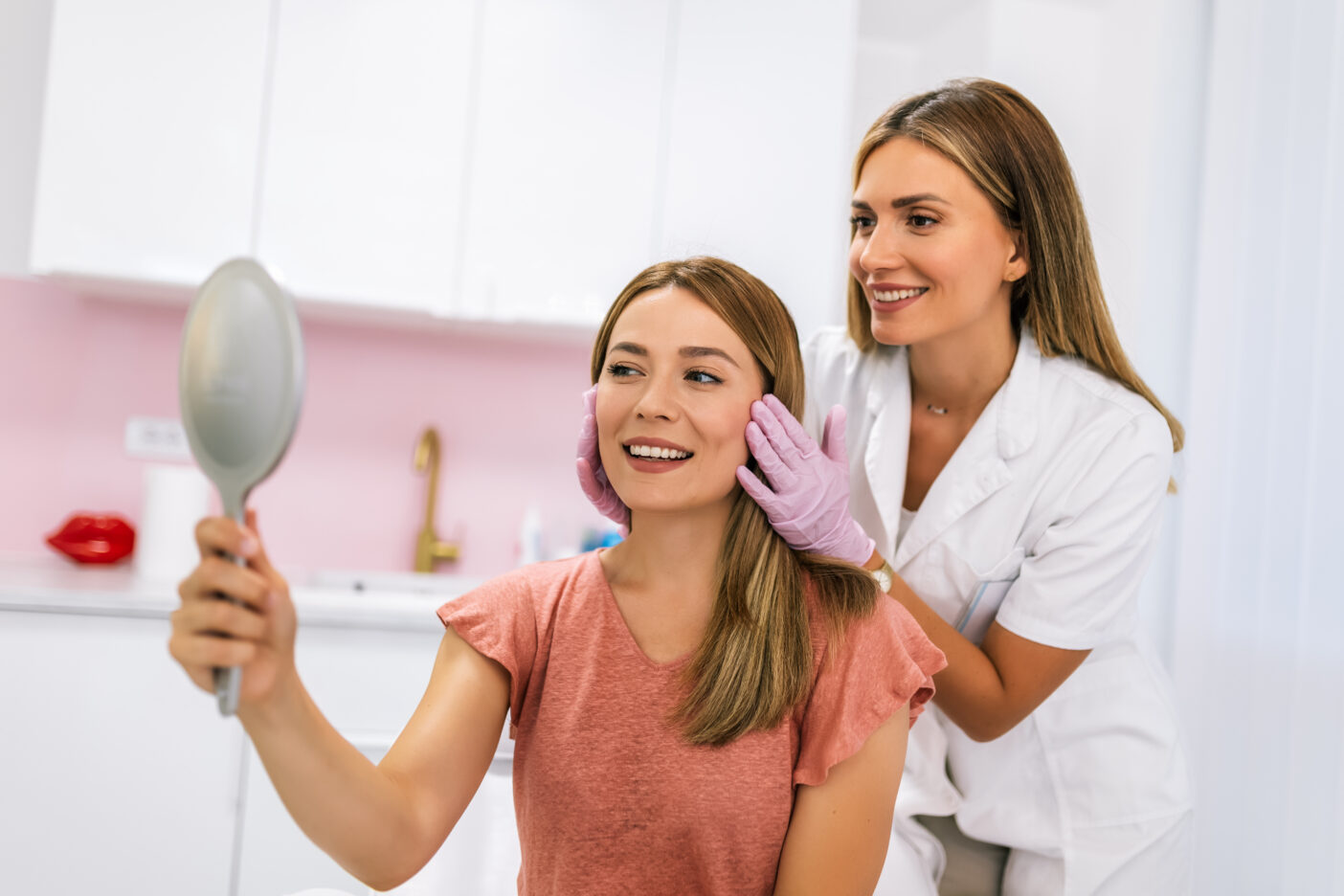
Doctor Brands – Dermatological Expertise in Active Ingredients for Modern Skincare
Doctor Brands combines dermatological expertise with innovative cosmetic development. The brand draws on scientific findings from skin research, dermatology, and aesthetic medicine to develop high-performance skincare products for daily use. The focus is on high-quality active ingredients, modern formulation technologies, and verifiable evidence of efficacy.
This approach is by no means limited to the care of problematic skin. Anti-aging products, hydrating serums, and sophisticated barrier protection formulations also benefit from this scientifically driven approach. Of particular interest are active ingredients whose chemical structure has been specifically modified or whose formulation has been optimized to improve stability, skin availability, and cosmetic performance.
What sets Doctor Brands apart?
The term describes cosmetic brands that position themselves through a close connection to dermatology or aesthetic medicine. Dermatologists, plastic surgeons, or other medical professionals are often involved in the development process. However, the term “Doctor Brand” is not a legally defined quality seal in its own right. A medically oriented brand positioning alone therefore guarantees neither superior efficacy nor exceptional skin tolerance.
Rather, the decisive factors are the quality of the formulation, the selection of suitable ingredients, and the scientific validation of the advertised properties. Among the most important characteristics are:
- Scientifically grounded active ingredient concepts
- Dermatologically oriented product development
- Targeted support for the skin barrier
- Innovative delivery and stabilization technologies
- Transparent efficacy studies
- High standards for skin compatibility and product safety
A particular focus is on the question of how biologically interesting molecules can be optimally formulated for topical application.
Why do modern active ingredients require innovative formulation technologies?
Many active ingredients known from medical research cannot be readily incorporated into cosmetic creams or serums. The skin’s stratum corneum acts as an effective protective barrier that limits the penetration of numerous substances and shields the body from external influences. Larger, highly hydrophilic, or unstable molecules, in particular, may have difficulty reaching certain skin layers in sufficient quantities.
Added to this are potential challenges posed by chemical or enzymatic degradation processes, oxidative instability, poor solubility, and interactions with other formulation ingredients. Modern active ingredient technologies address these issues. Through chemical modifications, suitable delivery systems, or targeted formulation strategies, the properties of individual molecules can be improved.
However, increased skin penetration does not automatically equate to a better cosmetic effect. What matters is whether the active ingredient is available at the relevant site of action in an appropriate concentration and whether its effect can be demonstrated in the finished product. An interesting example of such developments are the biofunctional silicon compounds and biomimetic active ingredients from the manufacturer Exsymol.
Hyaluronic Acid – Hydration and a Smoother Complexion
Hyaluronic acid is one of the best-known active ingredients in modern skincare. This naturally occurring polysaccharide is an essential component of the extracellular matrix and plays a key role in moisture regulation and the mechanical properties of tissue. Due to its remarkable ability to bind water, it is used in numerous cosmetic products.
Different Molecular Weights and Their Properties
The cosmetic effect depends, among other factors, on the molecular weight, concentration, and formulation. High-molecular-weight hyaluronic acid remains primarily on the skin’s surface, where it can form a moisture-binding film. Low-molecular-weight variants and hyaluronic acid fragments sometimes exhibit different distribution properties and are being studied for their biological activity. A blanket assertion that low-molecular-weight hyaluronic acid is generally more effective is not scientifically justified.
Epidermosil® – Hyaluronic Acid and Biofunctional Silicon
With Epidermosil®, Exsymol has developed an active ingredient that combines hyaluronic acid with a silanol component.
INCI: Silanetriol (and) Hyaluronic Acid
The concept aims to complement the cosmetic properties of hyaluronic acid through a functional combination with silicon. In studies conducted by the manufacturer, biological markers such as the hyaluronic acid receptor CD44 and the proliferation marker Ki-67 were examined, among others. CD44 is involved in the interaction between cells and hyaluronic acid, while Ki-67 serves as a marker for cell proliferation.
Such studies can provide clues to possible biological mechanisms of action. However, they do not replace clinical evidence of visible wrinkle reduction or skin regeneration in humans. For modern doctor brands, this combination of active ingredients nevertheless offers an interesting approach to the development of sophisticated moisturizing and anti-aging products.
Silicon – Biofunctional Compounds for Skin Care
In nature, silicon occurs predominantly in the form of various compounds. In cosmetic research, organofunctional silicon compounds—which are specifically developed for use in skincare formulations—are of particular interest. It is important to clearly distinguish between elemental silicon, silicon dioxide, silicic acid, and organic silicon compounds, as they possess different chemical properties and cannot be equated in terms of their cosmetic function.
Silanoels as an Innovative Active Ingredient Technology
Exsymol has been engaged in the development of biofunctional silicon compounds for decades. A key focus is on silanoels, whose chemical structure can be specifically tailored. Depending on the compound, this can alter solubility, stability, and interactions with biological structures. This makes them attractive for combination with other cosmetic active ingredients.
Possible research approaches include, among other things, the extracellular matrix, skin elasticity, and support for a well-cared-for complexion. However, the presence of a silanol group alone does not allow for a universal conclusion regarding skin penetration or efficacy. Each compound must be evaluated individually.
Rhamnose—a Plant Sugar with Anti-Aging Potential
Rhamnose is a naturally occurring monosaccharide that can be a component of various plant and microbial structures. The sugar is found, for example, in certain plant glycosides and polysaccharides. In cosmetic research, rhamnose is being investigated, among other things, for its potential effects on skin structure and the extracellular matrix. Of particular interest are processes occurring in the dermo-epidermal junction zone.
Why is the dermo-epidermal junction zone important?
The dermo-epidermal junction zone, or DEJ for short, connects the epidermis and the dermis. Its complex structure contributes to the skin’s mechanical stability and supports the anchoring of the two skin layers. With increasing age, the structure and organization of this junction zone can change. Therefore, modern anti-aging concepts focus on ingredients that could influence biological processes in this area.
Sirhamnose® – Rhamnose Combined with Silicon
Exsymol combines rhamnose with a silanol component to form the active ingredient Sirhamnose®.
INCI: Silanetriol (and) Rhamnose
The development concept aims to enhance the properties of the plant sugar through a suitable chemical combination. In manufacturer studies, the expression of collagen VII was examined, among other factors. This structural protein is an important component of the anchoring fibrils in the dermo-epidermal junction zone.
Altered collagen VII expression can serve as a biological study parameter. Whether and to what extent this results in a visible improvement in skin firmness must be confirmed through appropriate testing of the finished product. Sirhamnose® is thus an interesting active ingredient candidate for scientifically oriented anti-aging formulations.
Hydroxyproline—an Amino Acid Related to Collagen Structure
Hydroxyproline is a characteristic amino acid of collagen. It is formed through the enzymatic hydroxylation of proline and contributes to the stabilization of the collagen structure. Collagen, in turn, is an essential component of the extracellular matrix and influences the mechanical properties of the skin.
Hydroxyproline in Cosmetic Research
The particular importance of hydroxyproline for collagen makes this amino acid of interest for the development of cosmetic active ingredients. However, its function within the body’s own collagen does not automatically mean that topically applied hydroxyproline increases collagen synthesis in the skin. The decisive factors are the chemical structure, availability at the site of action, and proven biological activity.
Hydroxylprolisilane® – Silanol Technology and Hydroxyproline
With Hydroxylprolisilane®, Exsymol offers a compound based on hydroxyproline and an organofunctional silicon component.
INCI: Methylsilanol Hydroxyproline Aspartate
The active ingredient concept focuses on processes related to the extracellular matrix. This matrix consists, among other things, of collagen, elastin, proteoglycans, and other structural components. The manufacturer is investigating the compound’s potential effects on skin structure and collagen-related processes.
This opens up interesting development opportunities for cosmetic formulations, particularly for products aimed at achieving a smoother and firmer-looking complexion. However, specific claims regarding wrinkle reduction or skin firmness must be supported by corresponding efficacy data.
Carnosine – Protection Against Glycation and Oxidative Stress
Carnosine is an endogenous dipeptide composed of beta-alanine and L-histidine. It is found particularly in tissues with high metabolic activity and has been studied for many years for its antioxidant and anti-glycation properties.
What Does Glycation Mean for the Skin?
During glycation, reducing sugars or reactive carbonyl compounds react with proteins and other biological molecules. This process can lead to the formation of so-called Advanced Glycation End Products, or AGEs for short. Such changes can affect the properties of long-lived structural proteins. This is particularly relevant for collagen, whose mechanical properties can be altered by glycative stress.
Research into skin aging is therefore focused on determining how these processes can be limited.
Carnosine as an Antiglycation Active Ingredient
In experimental systems, carnosine can react with certain reactive carbonyl compounds and is therefore being investigated as a potential protective factor against glycation processes. Additionally, the molecule possesses antioxidant properties. For cosmetic applications, however, stability and potential enzymatic degradation processes pose challenges.
Alistin® – biomimetic carnosine derivative
Exsymol developed Alistin®, a modified carnosine derivative.
INCI: Carboxy Carnosine
The active ingredient was designed with the goal of improving stability against certain degradation processes. In comparative studies conducted by the manufacturer, its stability was evaluated relative to unmodified carnosine. The concept is particularly interesting for anti-aging formulations focused on glycation protection and antioxidant care.
It is important to distinguish between biochemical studies and an actual visible improvement in skin appearance. Claims such as the complete prevention of wrinkles or skin aging would not be sufficiently substantiated scientifically.
Which active ingredients are suitable for modern doctor brands?
The ingredients presented here demonstrate how diverse scientifically oriented cosmetic concepts can be. Hyaluronic acid and Epidermosil® represent moisture management and the study of hyaluronic acid-related skin processes. Silanol technologies enable the development of chemically modified combinations of active ingredients with specific physicochemical properties.
Rhamnose and Sirhamnose® are of particular interest for research approaches focused on the dermo-epidermal junction. Hydroxyproline and Hydroxylprolisilane® address the importance of collagen structure and the extracellular matrix, while carnosine and Alistin® target biochemical processes related to oxidative stress and glycation.
These groups of active ingredients can be integrated into various cosmetic formulations depending on the product’s intended purpose. However, it is always crucial that the chosen combination is technically stable, skin-friendly, and scientifically sound.
Innovative Product Ideas for Doctor Brands
Science-driven cosmetic brands can develop various skincare concepts based on these active ingredient technologies.
Advanced Hyaluronic Hydration Serum
A moisturizing serum containing various types of hyaluronic acid and a suitable silanol active ingredient. The focus is on intensive hydration, a pleasant sensory experience, and a smoother-looking complexion.
Dermal Matrix Firming Cream
A sophisticated anti-aging cream with active ingredients targeted at processes related to the extracellular matrix. Possible combinations include hydroxyproline derivatives, peptides, ceramides, and selected humectants.
Anti-Glycation Defense Serum
A lightweight serum with a stabilized carnosine derivative and complementary antioxidants. The concept is aimed at cosmetic brands that conduct scientific research on glycation and environmentally induced skin aging.
Skin Barrier Recovery Cream
A rich skincare formulation for dry and sensitive skin. Suitable ingredients include, for example, ceramides, cholesterol, selected fatty acids, panthenol, and moisture-binding active ingredients. Such a formulation can combine skin barrier care with a dermatologically oriented product concept.
What matters most in development?
High-performance active ingredients alone do not make a high-quality cosmetic product. Their properties must be considered in conjunction with the entire formulation. Important development criteria include:
- Active ingredient stability: Do the ingredients remain chemically stable during storage?
- Formulation compatibility: Are the components compatible with one another?
- Skin availability: Does the active ingredient reach the area relevant to its cosmetic function?
- Sensory properties: Does the feel on the skin meet the target group’s expectations?
- Skin tolerance: Is the finished product suitable for its intended use?
- Proof of efficacy: Can the advertised cosmetic effects be substantiated through appropriate testing?
For the European market, cosmetic products must also meet the requirements of Regulation (EC) No. 1223/2009. Advertising claims are additionally subject to the common criteria of Regulation (EU) No. 655/2013. A clear distinction between cosmetic and therapeutic claims is particularly important, especially for brands positioned as medical products.
Conclusion: Doctor Brands combine skin research and innovative cosmetics
Doctor Brands stand for a scientifically oriented approach to modern skincare. Innovative active ingredients, modern formulation technologies, and dermatological insights form the basis for sophisticated skincare products. Of particular interest are technologies that can specifically improve the stability and cosmetic properties of known molecules.
The active ingredients presented by Exsymol demonstrate a variety of possibilities—ranging from hyaluronic acid-silanol combinations to rhamnose derivatives and stabilized carnosine compounds. However, the key to success remains demonstrating that an active ingredient retains the desired properties even within the final cosmetic formulation.
Would you like to develop a scientifically grounded Doctor Brand?
Cosmacon supports you in selecting innovative active ingredients as well as in developing stable, skin-friendly, and regulatory-compliant cosmetic formulations. Contact us!
If you need a quick solution:
✨ Our partner Tojo Cosmetics offers innovative, active-ingredient-rich private-label products—quickly available, high-quality, and perfect for brands that want to impress with passion and quality.