
Melatonin Cosmetics: From Sleep Hormone to Beauty Ingredient
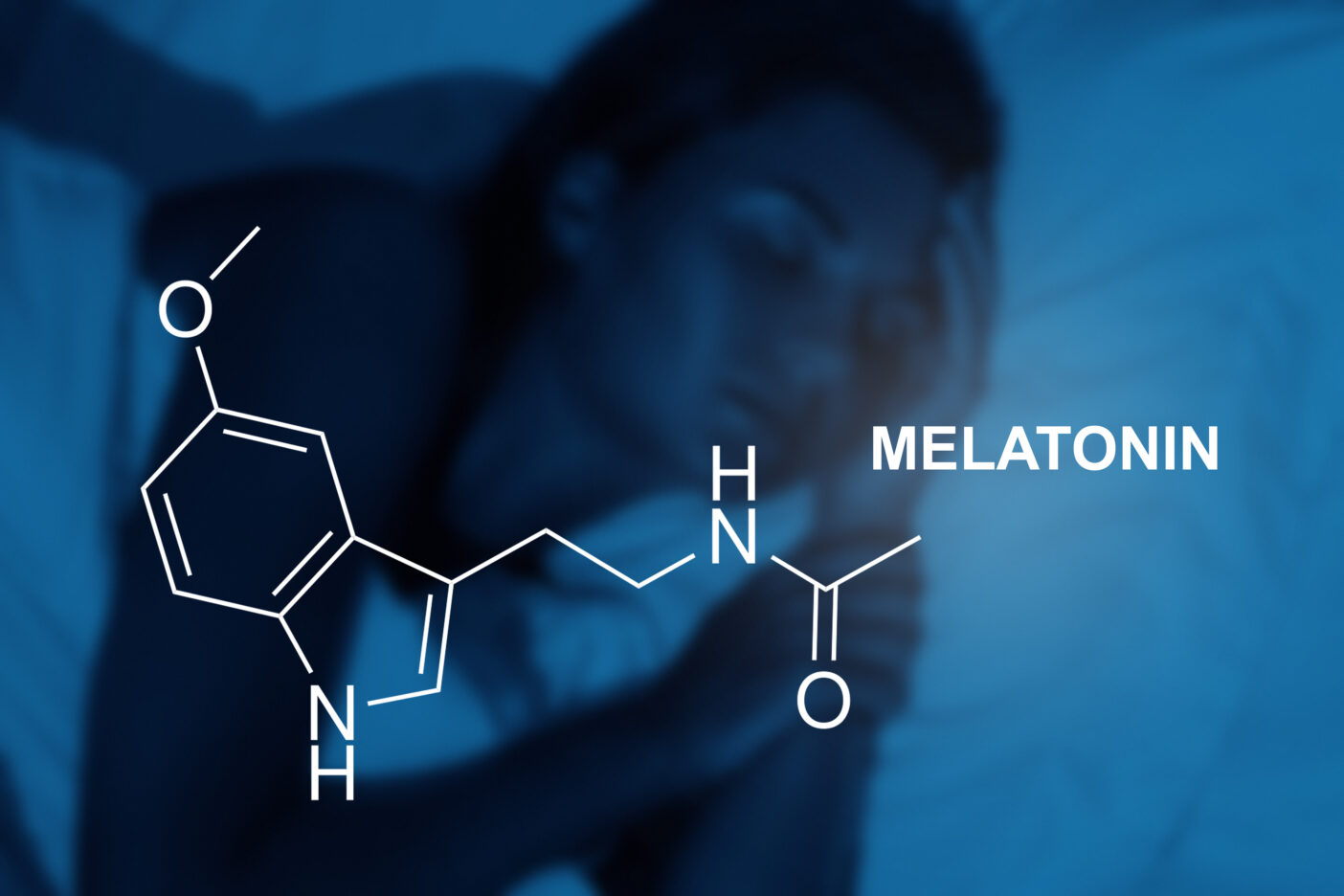
“Sleep Well, Live Better”—this was the theme of World Sleep Day 2026 on March 13, which marked the end of Sleep Awareness Month. It’s a good opportunity to explore a hormone that has long since ceased to be of interest solely as a sleep aid and is increasingly being discussed as an active ingredient in skincare: melatonin. This article first reviews the current body of research on oral melatonin supplementation for sleep disorders and then examines what lies behind the trending concept of “melatonin cosmetics.”
Poor sleep is widespread
According to a recent Mintel study, around 65% of Germans describe themselves as “poor sleepers” who have difficulty falling asleep or staying asleep. Constant social connectivity and increasing digitalization are blurring the lines between personal and professional life and contributing to a persistent cycle of stress—a survey by Voronoi and BuchhaltungsButler found that nearly half of Germans feel burned out by their jobs. According to a 2025 sleep survey by Resmed, stress is the main factor preventing good sleep for about 61% of Germans.
There are clear gender-specific differences: 38% of women, compared to 25% of men, complain of insomnia and symptoms of stress. During menopause, 44% of women report three or more nights per week with sleep disturbances, compared to 33% of women outside this life stage. The most common triggers for women are stress (57%), anxiety (47%), and financial worries (31%).
Consistently poor sleep noticeably affects health and well-being: Even a single night of insufficient sleep can lead to a bad mood, irritability, difficulty concentrating, and daytime sleepiness. Conversely, regular, restful sleep of 6 to 8 hours promotes a more positive outlook on life, greater mental performance, and more energy.
Market Overview
Consumers are increasingly turning to technologies and products to improve their sleep—from eye masks (26%) to blackout curtains (25%) to sleep-tracking apps (42%). Dietary supplements are also playing a growing role: In 2024, Europeans spent approximately $2,355.36 million on sleep aids, of which about $466.36 million was spent in Germany. According to Grand View Research, the German market for sleep aids is projected to grow to approximately $789.0 million by 2033. According to the study’s authors, melatonin is considered the highest-revenue and fastest-growing segment.
Why Melatonin?
Unlike herbs such as valerian, which are traditionally used to promote relaxation, melatonin is immediately recognized by the body because it is a naturally occurring hormone. Melatonin synchronizes the sleep-wake cycle by regulating the circadian rhythm: The suprachiasmatic nucleus in the hypothalamus signals the pineal gland to release melatonin. The release follows a fixed daily rhythm—rising in the evening, peaking at night, and declining again toward morning.
Cortisol acts as an antagonist, peaking in the early morning. Chronic stress, however, can lead to elevated evening cortisol levels, which delays the onset of sleep. Prolonged exposure to blue light, age-related declines in the body’s own production, and chronic stress are among the main factors that contribute to insufficient melatonin secretion.
What the Evidence Shows About Melatonin Supplementation
Oral melatonin supplementation is one of the most extensively studied dietary supplements for sleep support. Several meta-analyses confirm its effectiveness:
A systematic review and meta-analysis of 26 double-blind, randomized controlled trials (1987–2020) concluded that melatonin supplements shorten the time it takes to fall asleep and increase total sleep time—most notably at a dosage of 4 mg per day (4).
A meta-analysis of 23 randomized controlled trials involving people with sleep disorders showed a statistically significant positive effect on sleep quality, as measured by the Pittsburgh Sleep Quality Index (5).
Another analysis of 15 studies found that melatonin reduced the time to fall asleep by an average of 3.9 minutes, increased sleep efficiency by 3.1%, and extended total sleep time by 13.7 minutes (6).
The Challenge: Immediate-Release Melatonin
Health authorities recommend that adults get 6 to 8 hours of uninterrupted sleep per night. While traditional, immediate-release (IR) melatonin effectively shortens the time it takes to fall asleep, it has a limited pharmacokinetic profile: With oral bioavailability and a short half-life of typically 30 to 50 minutes, plasma levels drop rapidly. IR melatonin therefore usually supports only the first four to five hours of sleep and can lead to early awakening or fragmented sleep—the broader problem of maintaining sleep often remains inadequately addressed.
The solution: sustained-release melatonin
Sustained-release (SR) melatonin supplements are formulated to mimic the body’s natural nocturnal secretion pattern: Up to 50% of the melatonin is released within the first hour to help you fall asleep, with the remainder released in smaller bursts over the next six hours, gradually decreasing in the final hour.
In a randomized pharmacokinetic crossover study involving 16 healthy adults, an SR formulation (5 mg) showed a maximum plasma concentration that was nearly half as high (Cmax: 11,446.87 pg/mL) compared to immediate-release (IR) melatonin (22,786.30 pg/mL), as well as a mean elimination half-life of 5.1 hours—compared to 1.01 hours for IR melatonin, which is about five times longer. This profile suggests a significantly longer-lasting effect compared to the immediate-release formulation (7).
In a randomized, double-blind, placebo-controlled study, adults aged 30 to 60 with insufficient sleep received 2 mg of SR melatonin or placebo daily for 28 days. Compared to the placebo, on day 28 there was a significant increase in polysomnographically measured sleep efficiency and total sleep time, as well as a significant reduction in sleep onset latency and periods of wakefulness after falling asleep. As early as day 7, the total PSQI score decreased significantly; by day 14, subjective mental well-being (WHO-5) improved; and by day 28, significant improvements in subjective sleep parameters were observed (1).
Melatonin Cosmetics: Effects on the Skin
In addition to oral use, melatonin is increasingly coming into focus as a topical active ingredient—a topic that is gaining attention under the search term “melatonin cosmetics.” Unlike the well-documented evidence regarding sleep, dermatological research in this area is still in its early stages but is already providing interesting insights.
Melatonin is highly lipophilic and can freely penetrate cell membranes, where it can act as a free radical scavenger in both the extracellular and intracellular spaces. Clinical studies on topical application, in which melatonin was applied to the skin prior to UV exposure, demonstrated a suppressive effect on the development of UV-induced erythema as well as evidence of protection against radiation-induced skin damage (8). A recent review of clinical studies on topical melatonin summarizes that the active ingredient is being investigated for its antioxidant and anti-inflammatory properties—including in the context of skin aging and hair growth—though the authors also emphasize that many studies have methodological limitations and further research is needed to conclusively assess the actual efficacy of topical melatonin (8).
Topical melatonin has also been studied in the context of hair growth: In a series of clinical studies on androgenetic alopecia, a topical melatonin solution demonstrated good tolerability and positive effects on hair density and hair loss (9).
For cosmetic development, this means that melatonin-based cosmetics represent a promising but still nascent field. Marketing claims should realistically reflect the current state of evidence—as an antioxidant, skin-soothing ingredient linked to nighttime regeneration, not as a definitively proven anti-aging or hair growth treatment.
Product Ideas for Melatonin Cosmetics
- Night Cream / Overnight Repair Cream – based on the concept of nighttime cell regeneration, with melatonin as an antioxidant active ingredient to support the skin barrier during sleep.
- Anti-Aging Serum with Antioxidant Complex – melatonin combined with vitamin C or E as part of an evening skincare routine to combat oxidative stress.
- After-sun and soothing lotion – based on the erythema-inhibiting effects described in studies following UV exposure, for soothing care after sun exposure.
- Hair tonic / scalp serum – inspired by research on topical melatonin for androgenetic alopecia, for supportive care for visibly thinning hair.
- Soothing Eye Cream – for the particularly thin and sensitive skin around the eyes, with a focus on nighttime regeneration.
- Sleep Mask Concept / “Sleep Mask” for the Face – as a sensory ritual product that consciously combines the themes of sleep quality and skincare.
Conclusion
Over the past few decades, melatonin has become one of the most extensively researched dietary supplements for sleep disorders, with sustained-release formulations demonstrating pharmacokinetic advantages over immediate-release preparations in terms of maintaining sleep. At the same time, the topic of melatonin in cosmetics is gaining importance: Initial clinical data on antioxidant, UV-protective, and hair-growth-promoting effects with topical application are promising but not yet conclusively reliable. For brands wishing to capitalize on this potential, careful, evidence-based formulation and communication are essential.
From Active Ingredient to Finished Product: Two Approaches
Custom Formulation Development with Cosmacon: For brands seeking to develop a tailor-made night care or sleep beauty line with a precisely balanced combination of active ingredients, Cosmacon supports the entire process—from formulation and manufacturing to the finished, market-ready product.
Get started right away with white-label products from Tojo Cosmetics: Those who want to get started faster can rely on pre-developed, tested products. Tojo Cosmetics offers an extensive range of white-label products that can be launched under your own brand within weeks rather than months—successful products can be further customized later on.
References:
- Thanawala S, et al. Efficacy and Safety of Sustained-Release Melatonin Capsules (2 mg) in Healthy Adults with Poor Sleep Quality: A Randomized, Double-Blind, Placebo-Controlled Trial. Feb 11, 2026; doi: 10.20944/preprints202602.0844.v1
- Auld F, et al. Evidence for the Efficacy of Melatonin in the Treatment of Primary Adult Sleep Disorders. Sleep Medicine Reviews. 2017;34:10–22.
- Sletten TL, Magee M, Murray JM, et al. Efficacy of melatonin with behavioral sleep-wake scheduling for delayed sleep-wake phase disorder: a double-blind, randomized clinical trial. PLoS Med. 2018;15(6):e1002587.
- Cruz-Sanabria F, et al. Optimizing the Time and Dose of Melatonin as a Sleep-Promoting Drug: A Systematic Review of Randomized Controlled Trials and Dose-Response Meta-Analysis. J Pineal Res. 2024;76:5.
- Fatemah G, et al. Effect of melatonin supplementation on sleep quality: a systematic review and meta-analysis of randomized controlled trials. J Neurol. 2022;269(1):205–216.
- Brzezinski A, et al. Effects of exogenous melatonin on sleep: a meta-analysis. Sleep Med Rev. 2005;9(1):41–50.
- Thanawala S, et al. Comparative Pharmacokinetics of Sustained-Release versus Immediate-Release Melatonin Capsules in Fasting Healthy Adults: A Randomized, Open-Label, Cross-Over Study. Pharmaceutics. 2024;16:1248.
- Kleszczyński K, Slominski AT, Steinbrink K, Reiter RJ. Clinical Studies Using Topical Melatonin. Int J Mol Sci. 2024;25(10):5167.
- Fischer TW, Trüeb RM, Hänggi G, Innocenti M, Elsner P. Topical Melatonin for the Treatment of Androgenetic Alopecia. Int J Trichology. 2012;4(4):236–245
- Shah, R. (2025). “Overcoming Insomnia: The Benefits of Sustained-Release Melatonin.” Vitalstoffe, April 2025, pp. 40–43. Translation: Julia-Marie Zuckschwerdt.