
Shampoo Types – Which Shampoo Is Right for You?
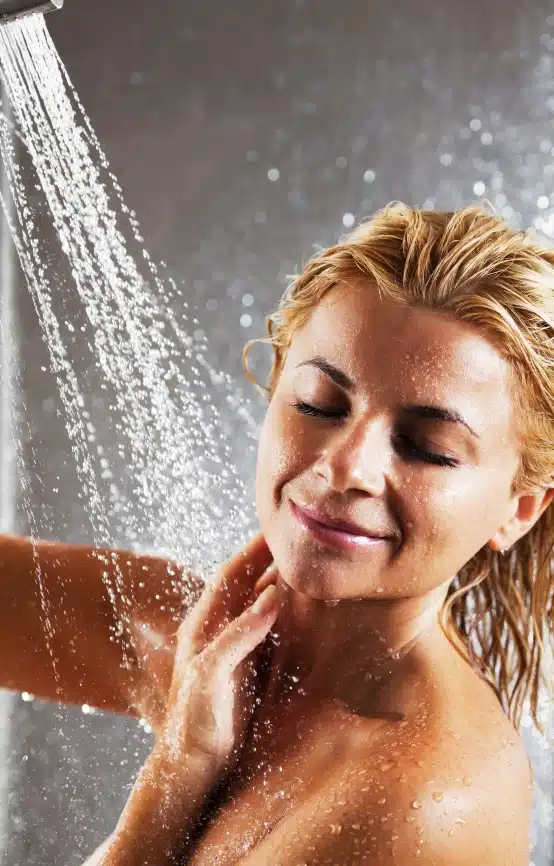
Shampoos should clean thoroughly, lather well, and be gentle, nourishing, and gentle on the hair and scalp. In addition, they often need to perform additional functions, such as making hair easier to comb, detangling it, being suitable for daily use, protecting colored or tinted hair, or preventing hair from becoming greasy too quickly.
In doing so, they must meet the different needs of various hair types—whether normal, fine, dry, oily, damaged, permed, or colored hair. Shampoos are available as liquid or solid products and contain surfactants, conditioning and active ingredients, as well as various additives. Even classic hair soap is experiencing a renaissance today.
Liquid Shampoo
Liquid shampoo is the most widely used type of shampoo. It is available for nearly all hair types and is sometimes offered as a 2-in-1 product, such as shampoo and conditioner or shampoo and body wash.
Liquid shampoos are based on surfactants that bind oily dirt to water. They typically have a pH value between 5 and 7 and can be excellently combined with conditioning and active ingredients. This makes formulations available for nearly every hair type and scalp issue.
In the past, shampoos were predominantly formulated with alkyl ether sulfates. Today, various surfactants are combined to improve dermatological tolerability. Commonly used examples include alkyl betaines, sulfosuccinates, sugar surfactants (alkylpolyglucosides), sodium coco-sulfates, lauryl glucoside, cocamidopropyl betaine, and lauroyl sarcosinate, which are characterized by good skin tolerability. Nevertheless, sodium laureth sulfate (SLES) is still used, although its strong cleansing power is often the subject of critical debate.
Consumers appreciate good lathering, as it makes it easier to remove and rinse out grease, dirt, and residues from styling products. Thickeners regulate the consistency of the shampoo, which is usually gel-like but can also be creamy in some cases. Commonly used thickeners include carbomer, olive oil-based oleamide DEA, or cetearyl alcohol.
In addition to cleansing, a shampoo should condition the hair, improve its quality, reduce damage, and, where appropriate, also have a positive effect on the scalp, for example by alleviating dandruff, itching, or skin irritation.
Conditioning and Active Ingredients in Liquid Shampoo
Moisturizers protect the scalp from drying out and improve the hair’s suppleness. These include natural oils or nonionic surfactants such as fatty acid esters. Humectants like glycerin or panthenol support the care of the sensitive scalp.
Isopropyl myristate, isopropyl stearate, and isopropyl palmitate have moisturizing effects, smooth the hair, and add shine. Organic acids such as citric acid or lactic acid smooth the outer cuticle layer of the hair and improve its appearance.
Protein hydrolysates are similar in structure to hair keratin and are particularly suitable for damaged hair. They improve shine, smoothness, and manageability and can reduce static electricity. Quaternary ammonium compounds or polyquaternium are also used as conditioning agents, but they have been criticized due to potential skin irritation. The amino acid lysine, for example, offers a safe alternative.
In addition to emollients and moisturizers, silicone oils or synthetic polymers are frequently used in liquid shampoos. They make hair easy to comb and add shine, but can lead to buildup over time and are difficult to break down ecologically. Plant oils, lecithin, mango extract, or betaine derived from sugar beets are viable alternatives.
Liquid Shampoo for Different Hair Types
Normal hair primarily needs a shampoo that reliably removes sebum, sweat, dead skin cells, and residues from styling products. Mild surfactants are usually sufficient for this purpose.
Damaged, colored, permed, or UV-damaged hair benefits from particularly mild surfactants and a high proportion of conditioning ingredients such as protein hydrolysates or plant-based keratin from wheat, corn, or soy.
Hair that quickly becomes oily requires formulations that reduce sebum distribution on the hair. Plant extracts such as witch hazel, stinging nettle, rosemary, lemongrass, or sage can be helpful in this regard. Yeast extract (INCI: Faex) is also frequently used.
Mild surfactants, sugar-based surfactants, and amphoteric surfactants are particularly suitable for dry hair and sensitive scalps. Conditioning agents such as betaine, panthenol, biotin, jojoba oil, argan oil, shea butter, camellia oil, or algae extracts improve skin and hair care.
For thin or thinning hair, peptides, biotin, borage oil, millet, grape seed oil, or silica are frequently used.
Solid shampoo
Solid shampoos are growing in popularity. They contain no water and consist mainly of surfactants as well as conditioning and active ingredients. Visually, they resemble hair soaps and usually come in minimalist paper packaging.
Depending on the formulation, solid shampoos can be based on synthetic or plant-derived surfactants. They generally have a slightly acidic pH level that matches the hair’s natural pH and smooths the cuticle layer after washing.
Since they contain no water, solid shampoos usually do not require traditional preservatives. At the same time, the use of plastic packaging can be significantly reduced.
Shampoo powder is a special variant. It is mixed with water individually before use, allowing the cleansing process to be tailored to personal needs.
Hair soap
Hair soap has been making a comeback for several years. It is produced by saponifying vegetable oils with lye and usually requires no plastic packaging.
A major advantage is its efficiency: one bar of hair soap often replaces two to three bottles of liquid shampoo.
However, hair soap has an alkaline pH. Especially with hard water, this can cause the hair to appear dull or lifeless. An acidic rinse made from water and lemon juice can counteract this effect and restore shine to the hair.
Nourishing additives such as olive oil, avocado oil, safflower oil, herbal extracts, or sulfur can further enhance its conditioning properties. Hair soaps are particularly suitable for normal to oily hair.
Dry shampoo
Dry shampoos are used for a quick refresh between washes. Strictly speaking, they are not shampoos, as they do not contain surfactants. Instead, ingredients such as rice starch, talc, or bentonite absorb excess sebum and oil.
After brushing, the hair looks fresher, gains more volume, and—depending on the product—may also be subtly scented.
Modern dry shampoos are available as aerosol sprays or powders. They can be a practical addition to regular hair care, especially for long hair with roots that get oily quickly or for colored hair.
However, they are not a permanent alternative to washing your hair. After several uses, the residue should be removed with a thorough shampoo. Occasional scalp exfoliation can also be beneficial.
Rice starch-based dry shampoos are considered particularly recommended. People with sensitive airways should only use aerosol products in well-ventilated rooms.
Your shampoo type from Cosmacon
For a long time, classic liquid shampoo was considered the standard product in hair care. Today, however, the market is evolving rapidly. Modern formulations are increasingly avoiding ingredients that have been the subject of critical debate and are instead turning to skin-friendly and sustainable alternatives.
Solid shampoos, hair soaps, and innovative specialty formulations are continuously gaining importance while simultaneously presenting new challenges for the integration of conditioning and active ingredients.
Cosmacon develops modern shampoo types with high care potential, optimal ease of use, and a focus on sustainability. The goal is to create effective hair care products that meet both consumer needs and the requirements of environmentally conscious cosmetic development. Contact us!
When speed is of the essence:
✨ Our partner Tojo Cosmetics offers innovative, active-ingredient-rich private label products—quickly available, high-quality, and perfect for brands that want to impress with passion and quality.