
Preservative systems

Water is the perfect basis of life for many organisms, but especially for microorganisms such as fungi, bacteria and yeasts. These multiply particularly easily and very quickly in water. If we then take a look at today’s cosmetic products, it is striking: Unless they are ointments or oils, they always contain water. However, this also…
Prickly pear oil
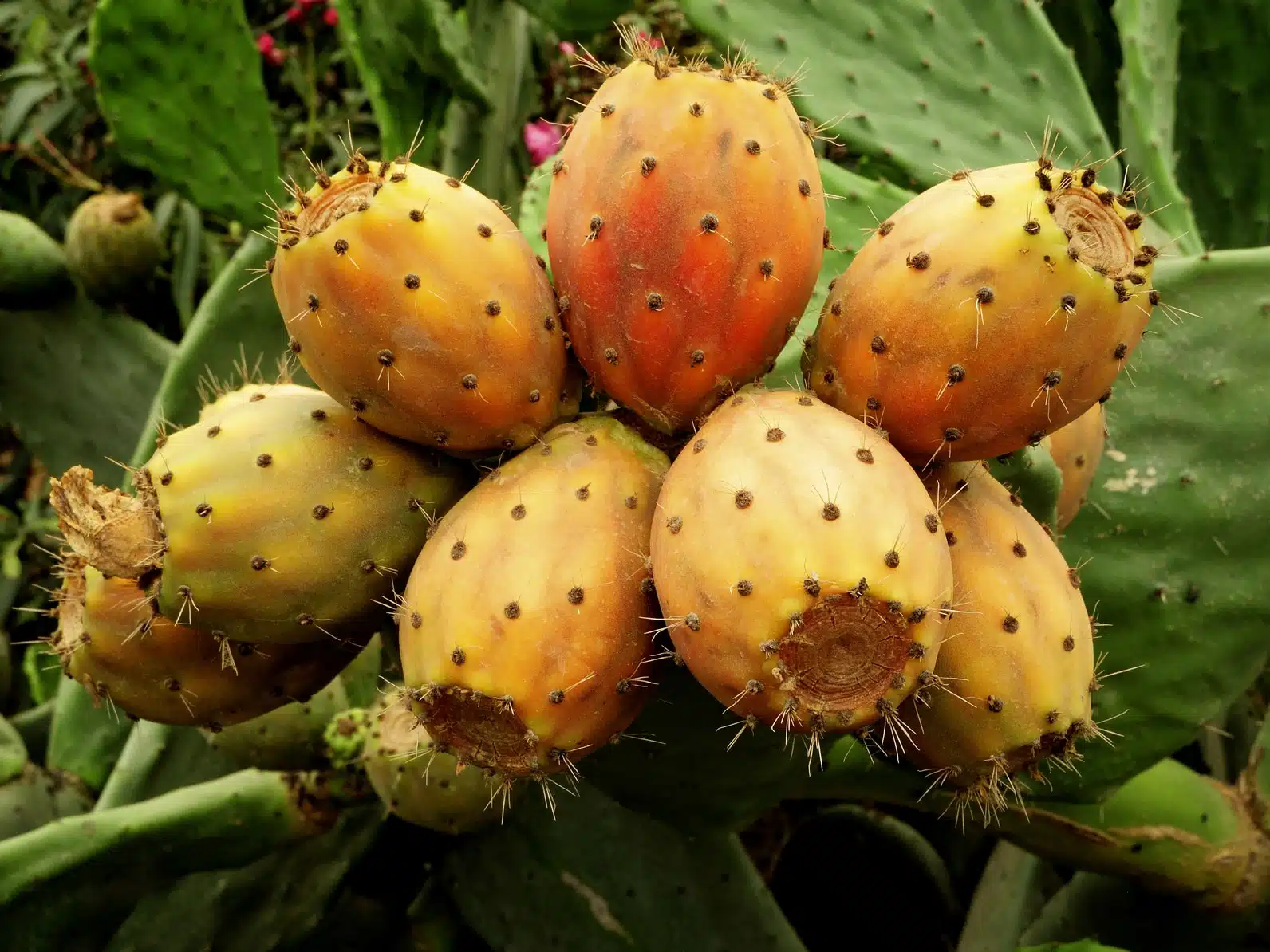
Prickly pear oil is one of the finest oils in the world. It is obtained from the fruit or seeds of the prickly pear, which originally comes from Mexico. These fruits, the prickly pears, have an egg-shaped form and taste sweet to slightly sour. Their tiny seeds contain the valuable oil. Extraction is very simple.…
Probiotics
Probiotics: how do they affect our skin? What are they? Humans are constantly exposed to microbes. We have learned that the body needs them because they are important for the digestive system. Many studies have proven that the living microorganisms called probiotics can supply numerous health functions, such as reducing certain digestive disorders, lowering cholesterol levels…
Problem skin – from strawberry skin to parchment skin

The collective term ‘problem skin’ covers various skin conditions characterised by unevenness, dryness or cornification disorders. The causes are varied and range from genetic factors and hormonal influences to lifestyle and environmental factors. In order to develop optimal care and treatment, it is worth taking a look at the typical characteristics – from strawberry skin…
Product displays
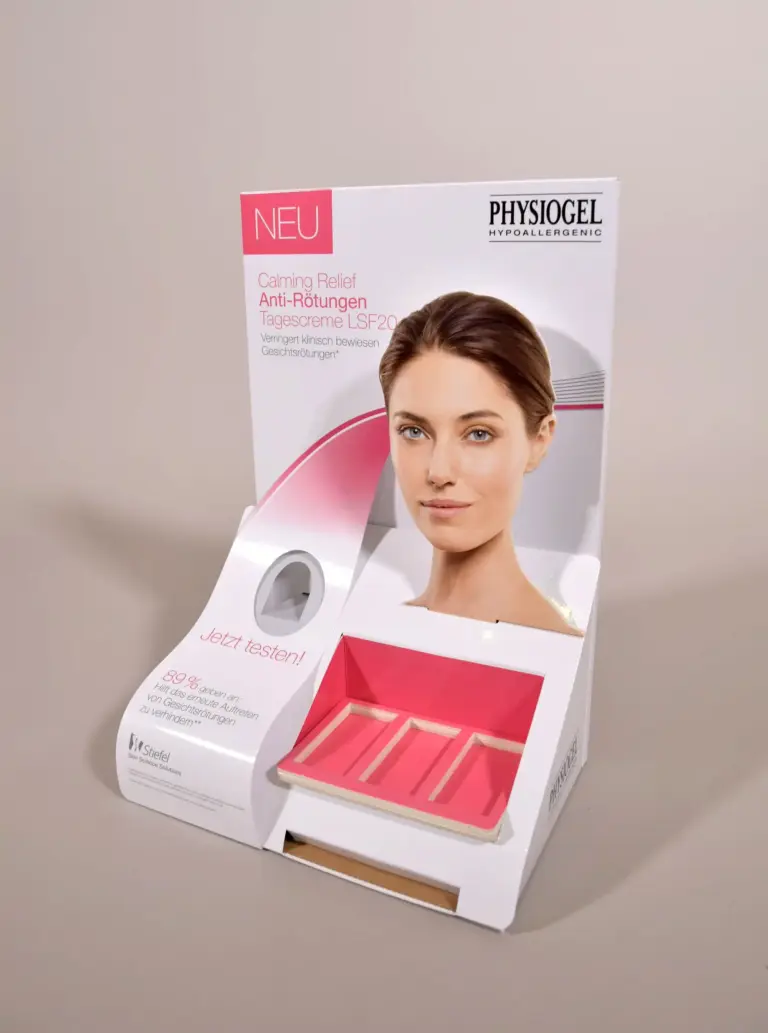
Introduction Product displays are large containers used in retail stores to present and promote relatively small products such as creams, eyeliner, and lipstick. They are usually placed directly in the store and are rarely found in shop windows. The cardboard-like semi-open containers ensure that customers can easily see and remove the products. Many product displays…
Propolis extract – natural power from the beehive for skin care

Propolis Extract is the INCI name for propolis. The term propolis comes from Greek: ‘pro’ means ‘before’ and ‘polis’ stands for “city”. Bees use the resin at the entrances to their hives to protect their ‘city’, i.e. their beehive. Propolis extract, also known as bee resin, bee glue, kit resin or kit wax, is a…
Protein Hydrolysates
Protein hydrolysates are the result of a process called hydrolysis, in which proteins are broken down into smaller molecules. Usually, proteins are large molecules that the body cannot utilise directly. They must first be broken down into smaller molecules such as free amino acids or di- and tripeptides so that the body can utilise them.…
Prunus persica

The peach (Prunus persica) is a tree that grows up to eight meters high and is native within Europe, especially in Italy, Spain and Greece. However, it originates from China. It belongs to the rose family (Rosaceae), which also includes the almond and apricot trees. Its fruits, the peaches, are counted among the stone fruits…
Psicose
Psicose: an innovative ingredient in cosmetics The world of cosmetics is striving to find new and effective ingredients that can revolutionize skin care. Psicose is one of these innovative ingredients. Although lesser known than some of its celebrity counterparts, psicose offers remarkable benefits for the skin. Below, we take a closer look at this ingredient,…
Pyridoxine
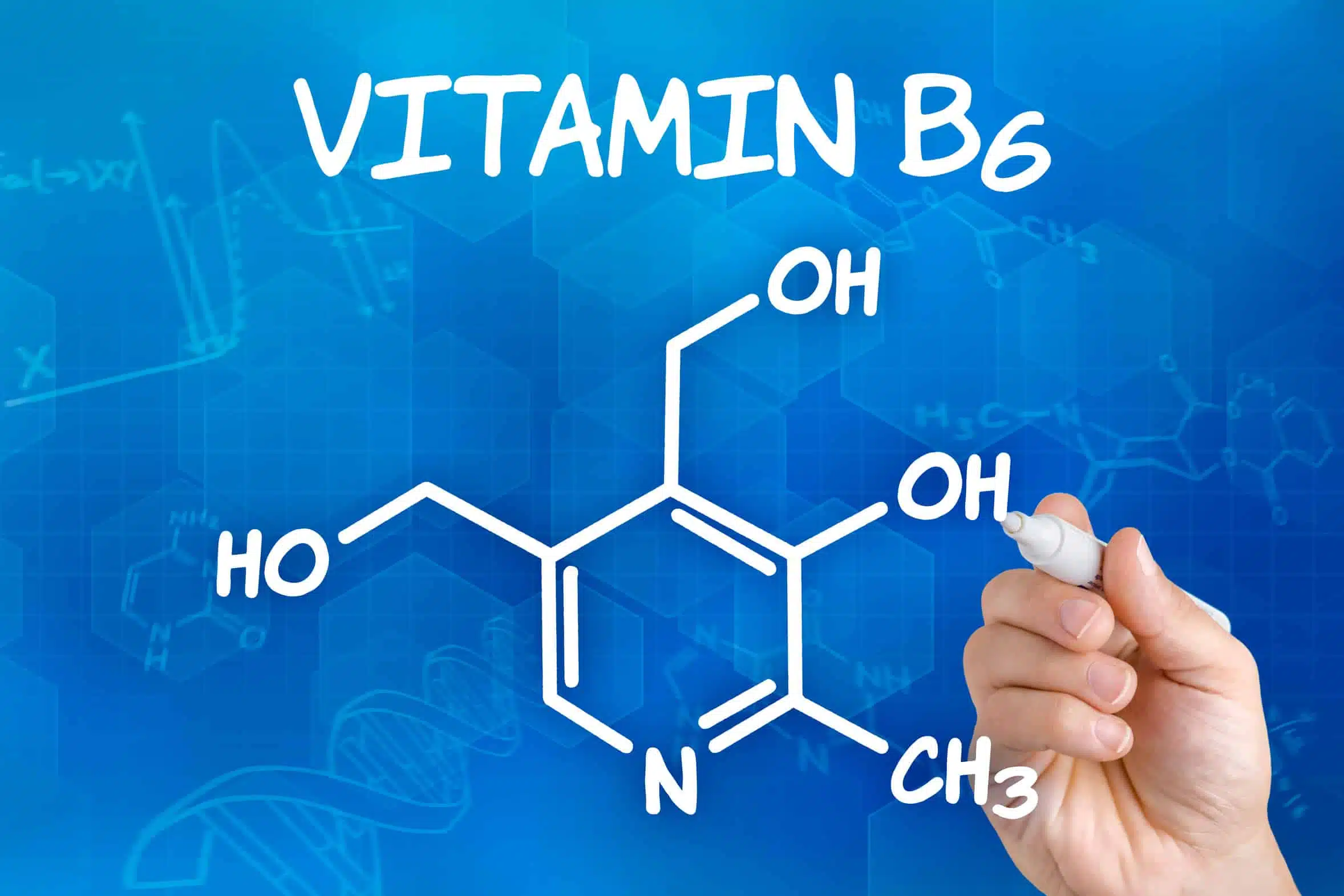
Pyridoxine is actually a collective name for several chemical compounds that are, however, very similar. The vitamin, often called pyridoxine, comprises the substances pyridoxole, pyridoxal and pyridoxamine and must be supplied to the human body from the outside (usually with food). Where is vitamin B6 found? Vitamin B6 is mainly found in the following…