Pores, Pimples, and Pigment Spots
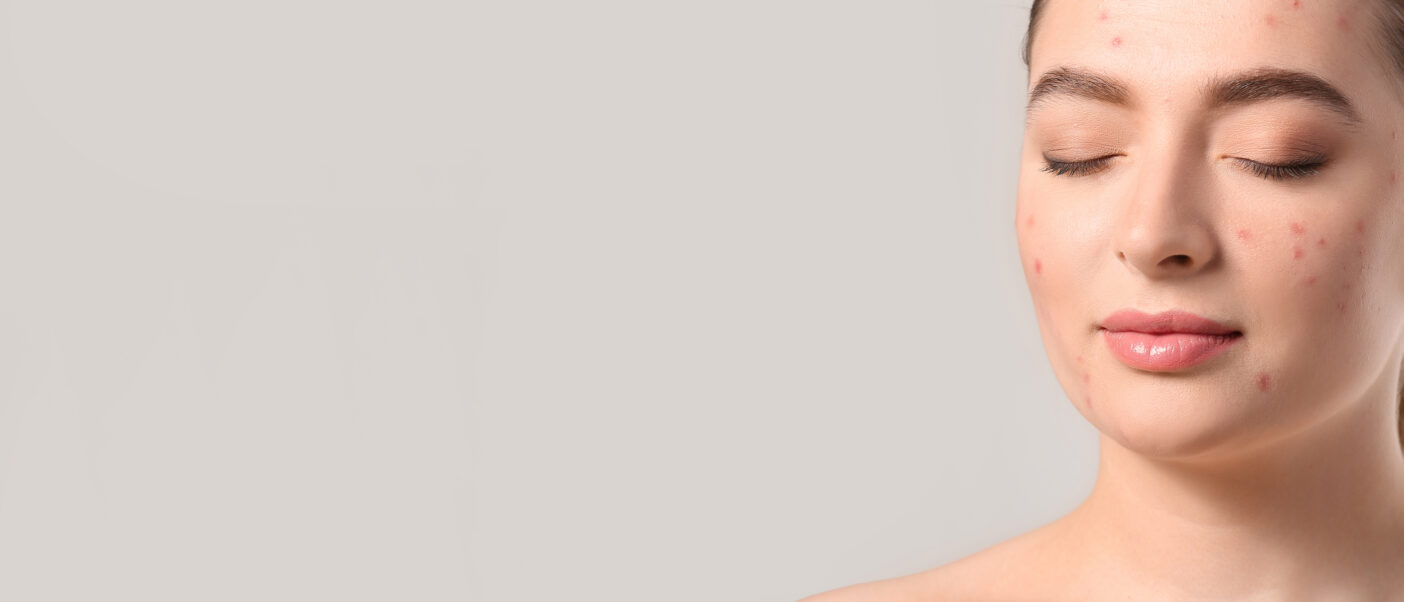
Pores, pimples, and pigment spots are among the most common cosmetic skin problems. Although their causes vary, they have one thing in common: they affect the skin’s appearance. However, with the right skincare routine and appropriate active ingredients, these skin conditions can be effectively prevented and visibly improved.
What Are Pores, Pimples, and Pigment Spots?
The eccrine sweat glands regulate water balance and body temperature. Their excretory ducts open onto the skin’s surface as fine sweat pores. These are normally barely visible, but may appear larger with age due to a loss of skin elasticity.
The sebaceous glands also have excretory ducts. They produce sebum, which, together with sweat, forms the skin’s protective hydrolipid film. If too much sebum is produced, the follicle openings can widen—a typical characteristic of oily skin.
If this is compounded by increased keratinization, the follicles become clogged. This results in blackheads or closed comedones (whiteheads or milia). If these become inflamed, pimples develop.
In the summer, heat, increased sweat and sebum production, and intense UV radiation contribute to the development of pimples and enlarged pores. At the same time, UV radiation can promote the formation of pigment spots.
Anyone prone to hyperpigmentation should therefore use sunscreen with an SPF of at least 50 every day and avoid intense sun exposure as much as possible.
What helps with pores, pimples, and pigment spots?
Existing pigment spots can be reduced through professional treatments such as fruit acid or TCA peels, laser therapy, or microneedling. Daily skincare can also play a significant role in refining pores, reducing pimples, and preventing dark spots.
Hydroxy Acids
Hydroxy acids are among the most versatile active ingredients for treating enlarged pores, pimples, and dark spots.
They
- loosen dead skin cells,
- prevent clogged pores,
- promote cell renewal,
- stimulate collagen synthesis,
- improve skin texture,
- and help reduce superficial pigmentation.
Lactic acid and glycolic acid are considered particularly effective and, in appropriate concentrations, are well-suited for at-home use.
Salicylic acid, higher-concentration glycolic acid, or retinol, on the other hand, should preferably be used by a professional. For sensitive skin, enzyme peels offer a particularly gentle alternative.
Tyrosinase Inhibitors
Tyrosinase inhibitors reduce melanin production and thereby counteract pigmentation spots.
Proven active ingredients include:
- hexylresorcinol,
- Boerhavia diffusa,
- kojic acid,
- tranexamic acid.
Antioxidants
Free radicals promote the development of hyperpigmentation. Antioxidants protect the skin from oxidative stress and help maintain an even complexion.
The following have proven particularly effective:
- Vitamin C,
- ferulic acid,
- vitamin E.
Peptides
Various peptides can also visibly reduce dark spots and even out skin tone.
These include, for example:
- hexapeptide-2,
- nonapeptide-1,
- tetrapeptide-30.
Consistent sun protection remains the most important measure against new dark spots, however.
Care for Enlarged Pores
Enlarged pores often occur alongside oily skin. However, as we age, they can also result from a loss of skin elasticity. Regular hydroxy acid or enzyme peels promote skin renewal and result in a finer skin texture. In addition, astringent toners can visually refine the pores.
Proven botanical active ingredients include:
- witch hazel,
- sage,
- oak bark,
- willow bark,
- ratania,
- tormentil,
- iris,
- blackberry leaves.
Yeast extract is also excellent for regulating sebum production and refining the skin’s texture.
Skincare for Breakouts
The most important foundation of any skincare routine for blemish-prone skin is consistent cleansing. In addition to the face, the back and décolletage should also be cared for regularly. Mechanical exfoliants are less suitable for inflammatory acne, as they can spread bacteria. Hydroxy acid or enzyme peels are recommended instead.
A sensible skincare routine includes:
- Cleansing in the morning and evening,
- regular exfoliation,
- toner,
- light gels or lotions,
- targeted spot treatment,
- mattifying products as needed.
The following ingredients, among others, are effective for reducing inflammation:
- salicylic acid,
- boswellic acid,
- woad extract (Isatis tinctoria).
Anti-seborrheic active ingredients such as:
- zinc PCA,
- niacinamide,
- saw palmetto extract
also regulate sebum production and help reduce enlarged pores over the long term.
Conclusion
Pores, breakouts, and pigmentation spots can often be significantly improved through a consistent skincare routine tailored to your skin type. Regular cleansing, suitable active ingredients, gentle exfoliation, and daily sun protection are crucial.
Since genetic predisposition and hormonal influences can also play a role, professional treatment at a beauty salon is recommended for pronounced skin changes.
Cosmacon is happy to support you in developing innovative formulations to combat enlarged pores, pimples, and pigmentation spots. Contact us!
If you need a quick solution:
✨ Our partner Tojo Cosmetics offers innovative, active-ingredient-rich private-label products—quickly available, high-quality, and perfect for brands that want to impress with passion and quality.