
Care oil

Nourishing oils provide the skin with valuable nutrients such as fatty acids, antioxidants and secondary plant substances. They can be a natural alternative to body lotion or face cream and have the advantage over these products that they do not require emulsifiers. Another advantage is that skincare oils do not contain any preservatives due to…
Carrageenan
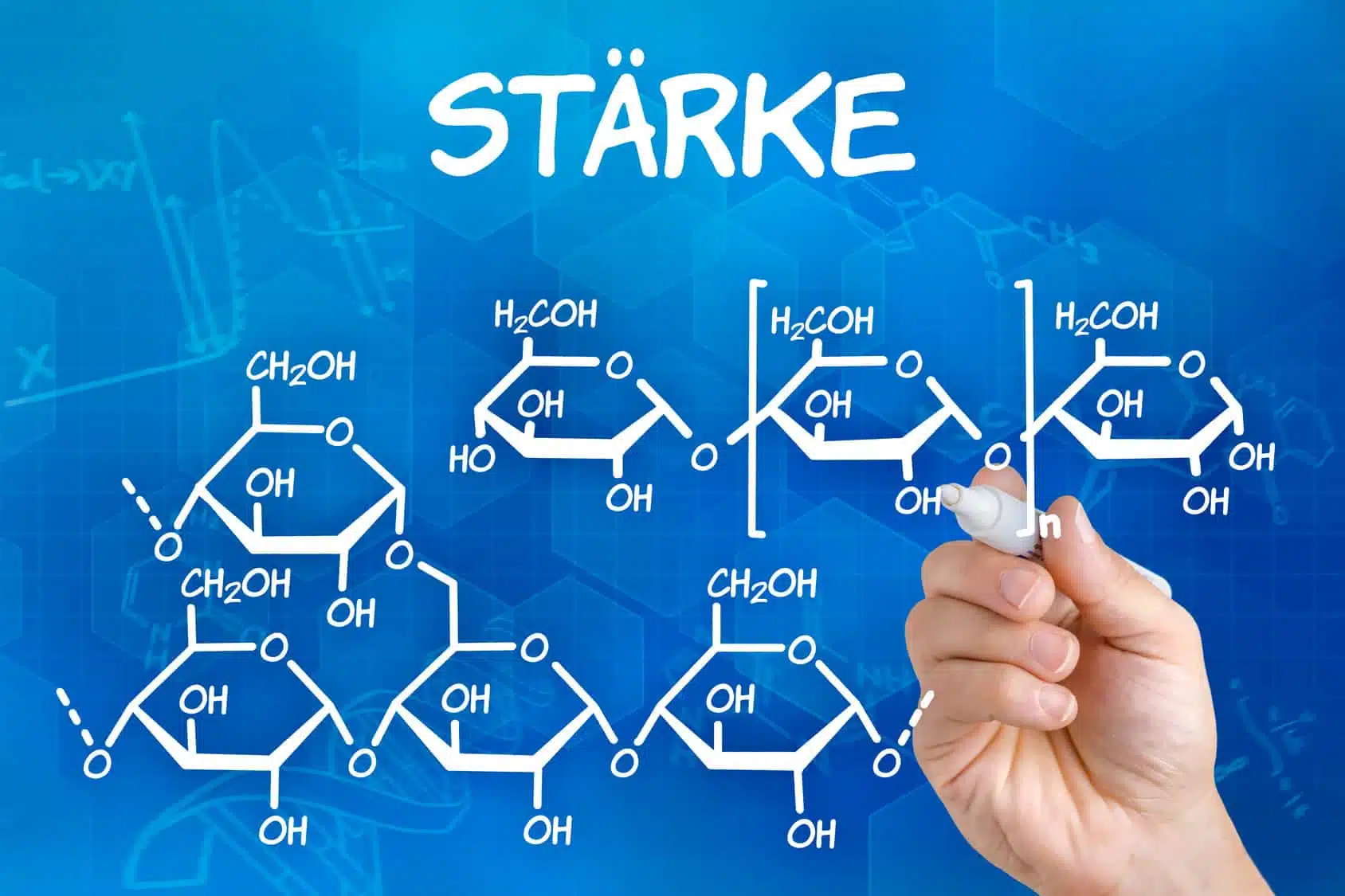
Carrageenan is a versatile, natural ingredient extracted from certain types of red algae. Carrageenins has been used in the food industry for decades, but this raw material is now increasingly coming to the fore in cosmetics. Its special ability to bind water, alter textures and create a pleasant skin feel makes carrageenan an ideal additive…
CDMO Germany – ‘Made in Germany’ is our promise of quality

CDMO Germany stands for quality, reliability and technological excellence internationally. In the cosmetics industry, ‘Made in Germany’ means not only high-quality products, but also tested processes, regulatory safety and a deep understanding of efficacy, sustainability and consumer protection. It is precisely these values that make Germany one of the most sought-after locations for the development…
CDMO in Dubai – Luxury, dynamism and scalable cosmetic solutions

Dubai stands for luxury, dynamism and international growth like no other metropolis. As a hub between Europe, Asia and Africa, the city attracts premium brands, innovative start-ups and global retail chains. High purchasing power, trend-conscious consumers and a rapidly growing beauty market make CDMO in Dubai a strategically important partner for internationally oriented brands. Dubai…
Celery

Introduction Celery, scientifically known as Apium graveolens, is a plant that is becoming increasingly important in skin and hair care. The active ingredients it contains offer numerous benefits that can be used for both skin and hair care. This article presents the botanical origin of celery, the active ingredients it contains and their physical and…
Cell-communicating substances

Cell-communicating substances are important for cell communication, i.e. the exchange of signals between individual cells, initially takes place during embryonic development, but later also in the mature organism. This process affects important functions in the human body. If the finely tuned signalling pathways are disrupted, this can lead to serious malformations that can even cause…
Chemical peeling – how it works, acids and product ideas

Chemical peels are one of the most effective methods for stimulating natural skin renewal in a targeted manner. Unlike mechanical peels, they are based on the controlled action of acid-based active ingredients that can act on different levels of the epidermis. With the right selection and application, structure-improving, clarifying and regenerating effects can be achieved…
Children’s cosmetics: Gentle care for young skin
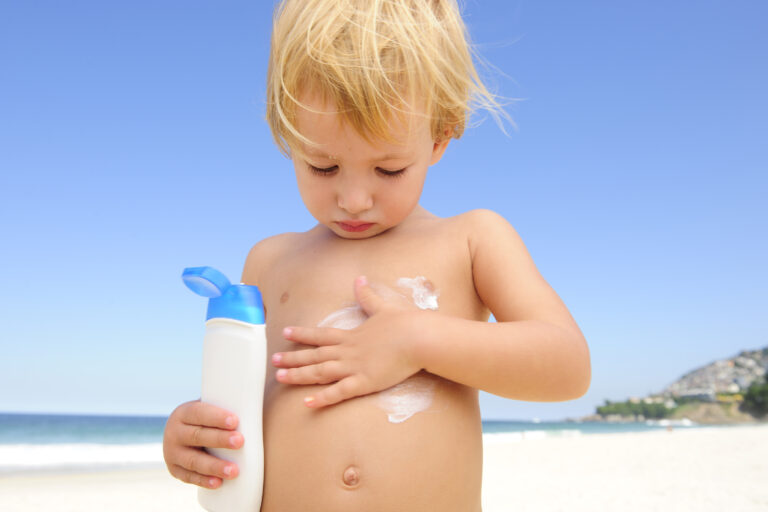
Children’s delicate skin deserves special attention – and this is exactly where children’s cosmetics come in. Unlike traditional skincare and make-up products, children’s cosmetics aim to effectively protect sensitive children’s skin without burdening it with harsh ingredients. However, parents who are concerned about this issue are often faced with a wide range of products, labels…
Children’s sun protection

Children’s skin is highly sensitive to the sun. Children’s sun protection is very important, their skin has not yet developed any natural protection, such as light calluses, pigmentation, urocanic acid in sweat and repair mechanisms. And even these provide only limited protection and are unable to prevent the ageing, cancer-promoting effects of the sun. In…
Cholesterol
Cholesterol is a lipid found in the cell membranes of our body tissues and also in the blood plasma of all animal organisms. It is found in particularly high concentrations in the liver, spinal cord and brain. In addition, cholesterol is found in the stratum corneum: This refers to the outer layer of the epidermis,…