Minoxidil-like active ingredients

Introduction Minoxidil is a well-known active ingredient used to treat hair loss. In this article, we take a look at minoxidil, how it works and why it should not be used in cosmetics. We also present some minoxidil-like active ingredients that have been tested for their effectiveness in promoting hair growth. What is minoxidil?…
Mitochondrial Cosmetics: Cellular Energy as a New Lever for Longevity
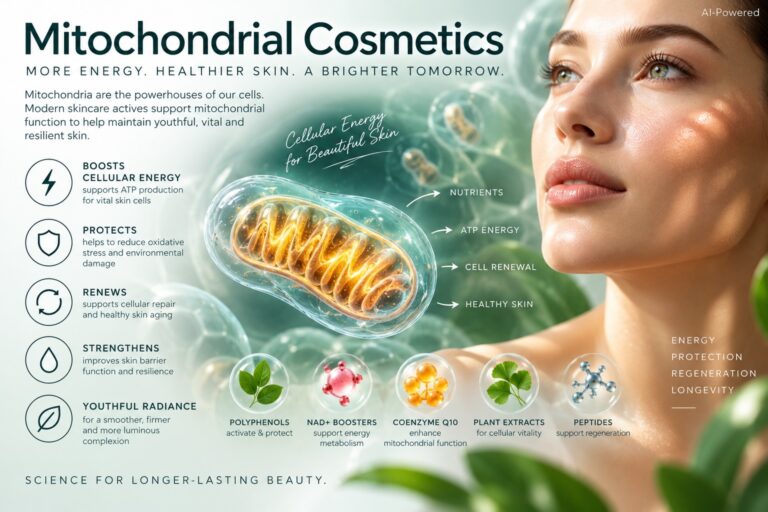
Hardly any other topic has shaped the 2026 active ingredient trade shows as much as the skin’s cellular powerhouses. Under the buzzword #MitochondrialBeauty, the spotlight is turning to a new generation of active ingredients that target not symptoms, but the energy metabolism of skin cells. This article explains what lies behind the concept, which raw…
Mitochondrial Skincare—When Anti-Aging Starts with Cellular Energy

Modern cosmetics are changing their perspective on skin aging. For a long time, the focus was primarily on visible signs such as wrinkles, loss of elasticity, pigmentation changes, or dry skin. Today, research is increasingly directed toward processes that begin much earlier and at a deeper level—at the cellular level. One of the most exciting…
Moah, Mosh
Time and again, mineral oils from newspaper inks or cardboard packaging end up in food or cosmetic products as part of the recycling process. In this context, a distinction is made between three compounds: MOAH stands for the abbreviation “Mineral Oil Aromatic Hydrocarbons”. These mineral oils consist of 15 to 20 percent aromatic hydrocarbons. MOSH,…
Modern anti-ageing: the trends that are changing the market

The skincare industry is currently undergoing one of the biggest transformations in recent decades. Today’s consumers want more than just smoother skin; they want holistic solutions that preserve the skin’s biological youthfulness. Current anti-ageing trends clearly show that modern formulations need to go deeper. Cell energy, senescence, barrier strength, microbiome and longevity are playing an…
Mongongo oil

The Mongongo tree (Schinziophyton rautanenii) is native to the African savannah and the Kalahari, where it defies extreme climatic conditions and is a popular shade tree. It can grow up to 20 metres high, its wood is light yellow, very hardy and light. The mongongo tree produces pretty yellow flowers in October and November. It…
Monk’s pepper

The monk’s pepper (Vitex agnus-castus) belongs to the Lamiaceae family of plants and is also called chaste tree, sweet pea bedstraw or chaste mud. The plant originates from the Mediterranean region and southwest Asia. It prefers streams, where the violet-blue flowers often line the banks, and dense forest soils. Monk’s pepper can grow up to…
Moringa oil
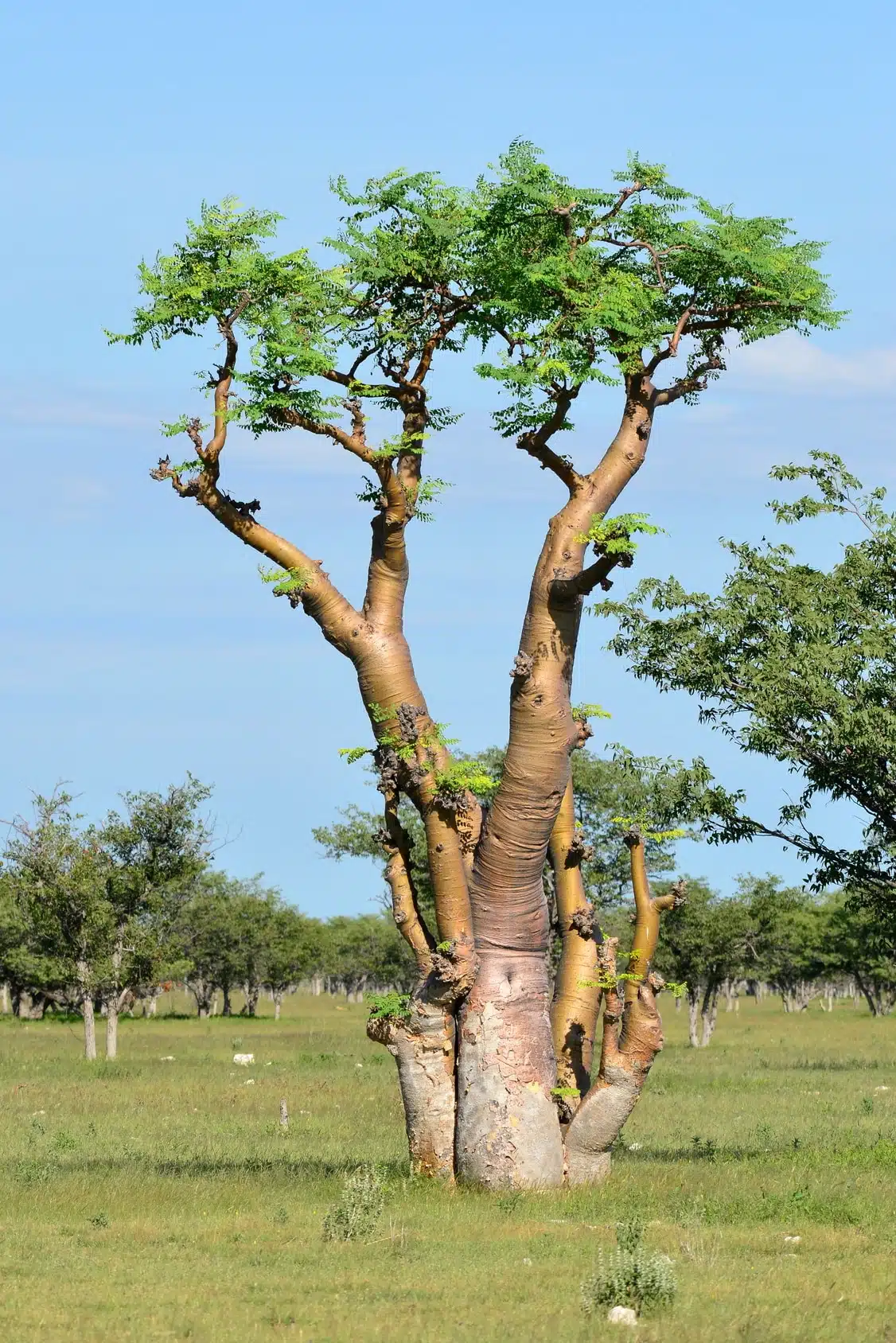
Moringa oil and other active ingredients come from the moringa tree. This tree is now considered an Ayurvedic miracle tree, even though it has only recently caused a sensation in this country. Originally native to the Himalayan region, the tree can grow up to 30 metres high and has played an important role in Ayurvedic…
Moroccan Oil in cosmetics: use, composition, and evaluation of Moroccan Oil for hair and face
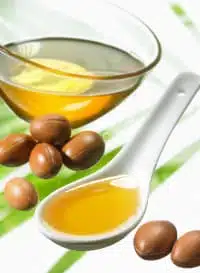
Short answer/definition: Moroccan Oil (INCI: Argania Spinosa Kernel Oil) is a vegetable oil extracted from the kernels of the argan tree. In cosmetics, it is used as a lipid-based skincare ingredient. It is characterized by a high content of unsaturated fatty acids and natural tocopherols. In hair and skin care products, Moroccan Oil primarily has…
Mulberry extract
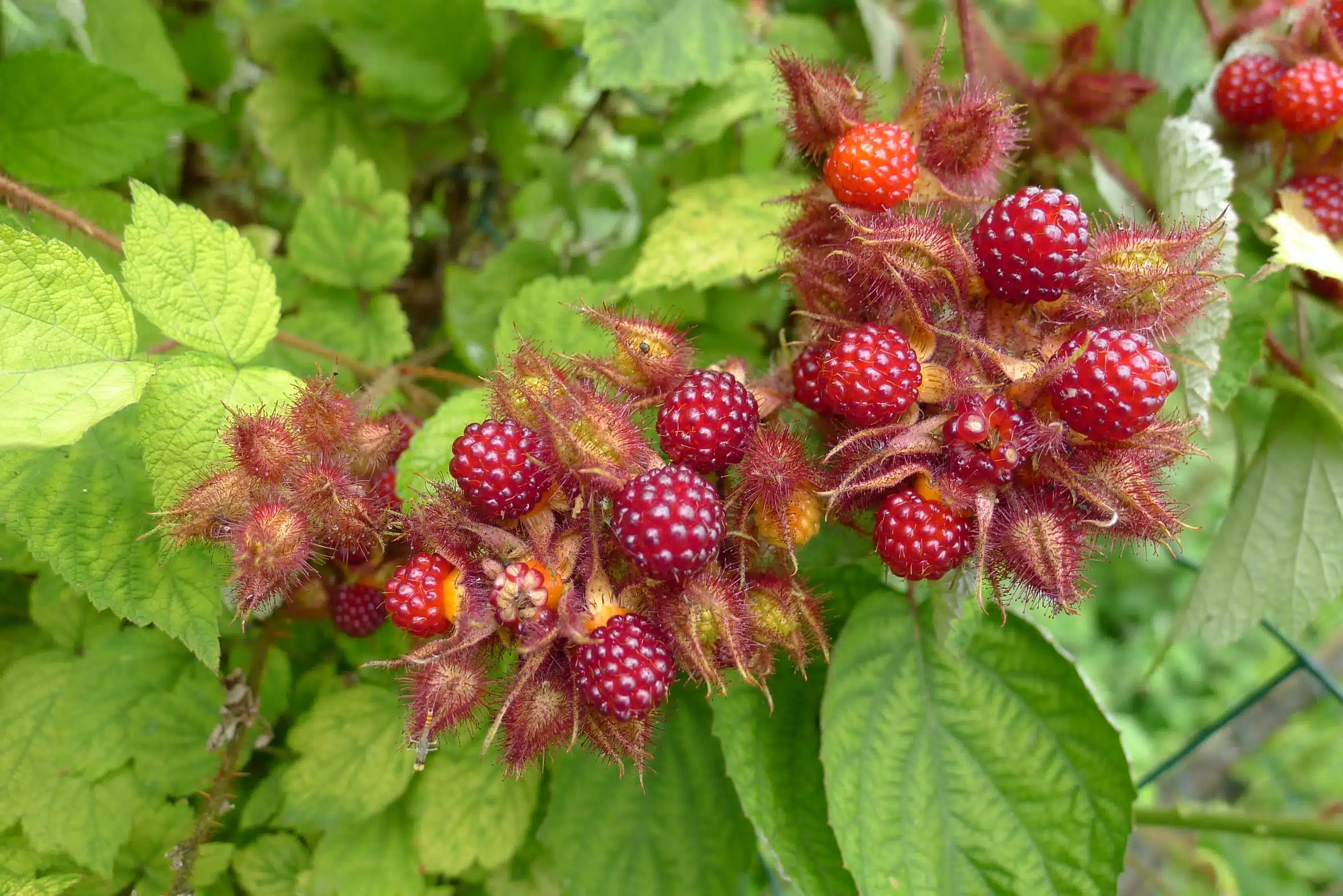
Mulberry extract is obtained from the white mulberry tree (Morus Alba). This tree originally comes from China. It has been cultivated there for hundreds of years so that its fruits can feed the silkworms. In cosmetics, the extracts of the white mulberry tree, as an active ingredient, have a number of proven effects that are…