Adenosine triphosphate

Adenosine triphosphate (ATP) is a messenger substance produced naturally in the body that can inhibit inflammatory processes and thus protect against tissue damage. It belongs to the nucleosides and consists of the sugar ß-D-ribose and the nucleic base adenine. One of the ways in which adenosine triphosphate works is by blocking the release of certain…
Aesculus Hippocastanum Seed Extract
Aescin, derived from the seed extract of the aesculus hippocastanum tree (horse chestnut), is a complex mixture consisting of over 30 different saponins. This tree is widely spread across Europe and can reach a height of up to 35 meters. It is renowned for its glossy brown seeds, which are cherished as collectibles by children…
AI in cosmetics development

As a cosmetics brand, you can use artificial intelligence (AI) in a variety of ways to increase innovation, efficiency and customer focus. AI in particular opens up new perspectives for tailor-made products, accelerated innovation cycles and data-based decisions. It is also worth taking a look at specialised partners such as Cosmacon GmbH, which combine in-depth…
AI trend analysis in the cosmetics sector: from data to effective products

Introduction to AI trend analysis in cosmetics Trends emerge at breathtaking speed today. A viral TikTok video can influence millions of people within hours and cause demand for certain products to explode. Traditional market research reaches its limits here. This is exactly where AI trend analysis for cosmetics comes in: it enables the evaluation of…
Allergen-free perfumes – the fragrant future of the cosmetics industry
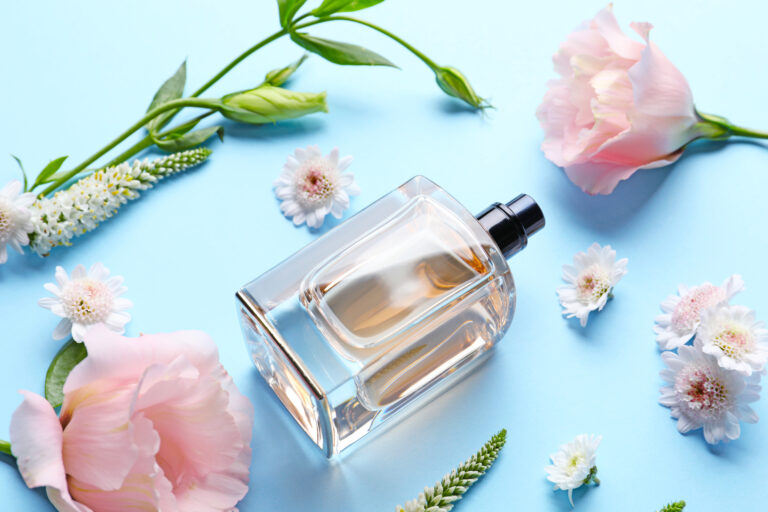
From 2027, a new EU regulation will come into force that significantly expands the list of fragrance allergens that must be declared. This means that even more fragrances will have to be listed on the packaging if they are contained in cosmetic products. For many consumers who are already sensitive to ingredients, this development is…
Allergenic Fragrances
The current Cosmetics Regulation stipulates that allergenic fragrances in cosmetic products must be declared. Although not everyone automatically develops an allergy, the use of such substances harbours a risk of allergic reactions in a small number of people. The fragrance of a product plays a decisive role in its market success. Our sense of smell…
Allergy prevention: Why skin protection needs to start earlier today

Allergies have been on the rise for years, especially among children and people with sensitive skin. Modern dermatology assumes that allergies develop over years and do not arise suddenly. Allergy prevention therefore does not begin with acute reactions, but much earlier: with the skin barrier, ingredients and daily exposures. The skin is a key organ…
Almond oil

In Europe, the almond tree has been known for many thousands of years. It is one of the few plants that stretch delicate blossoms towards the light even before the final onset of spring. The edible fruits of the almond tree, the almonds, are used as food and in cosmetics. Almond oil or Prunus Amygdalus…
Alpha arbutin: what is it and why is it so popular?

Alpha arbutin is a biotechnologically produced glycoside with a hydroquinone structure. It is specifically used in cosmetic products to promote an even skin tone. Compared to traditional bleaching agents, alpha arbutin is considered particularly gentle on the skin, stable and well tolerated, even by sensitive skin. The active ingredient owes its popularity primarily to its…
Alpin Heilmoor Extract
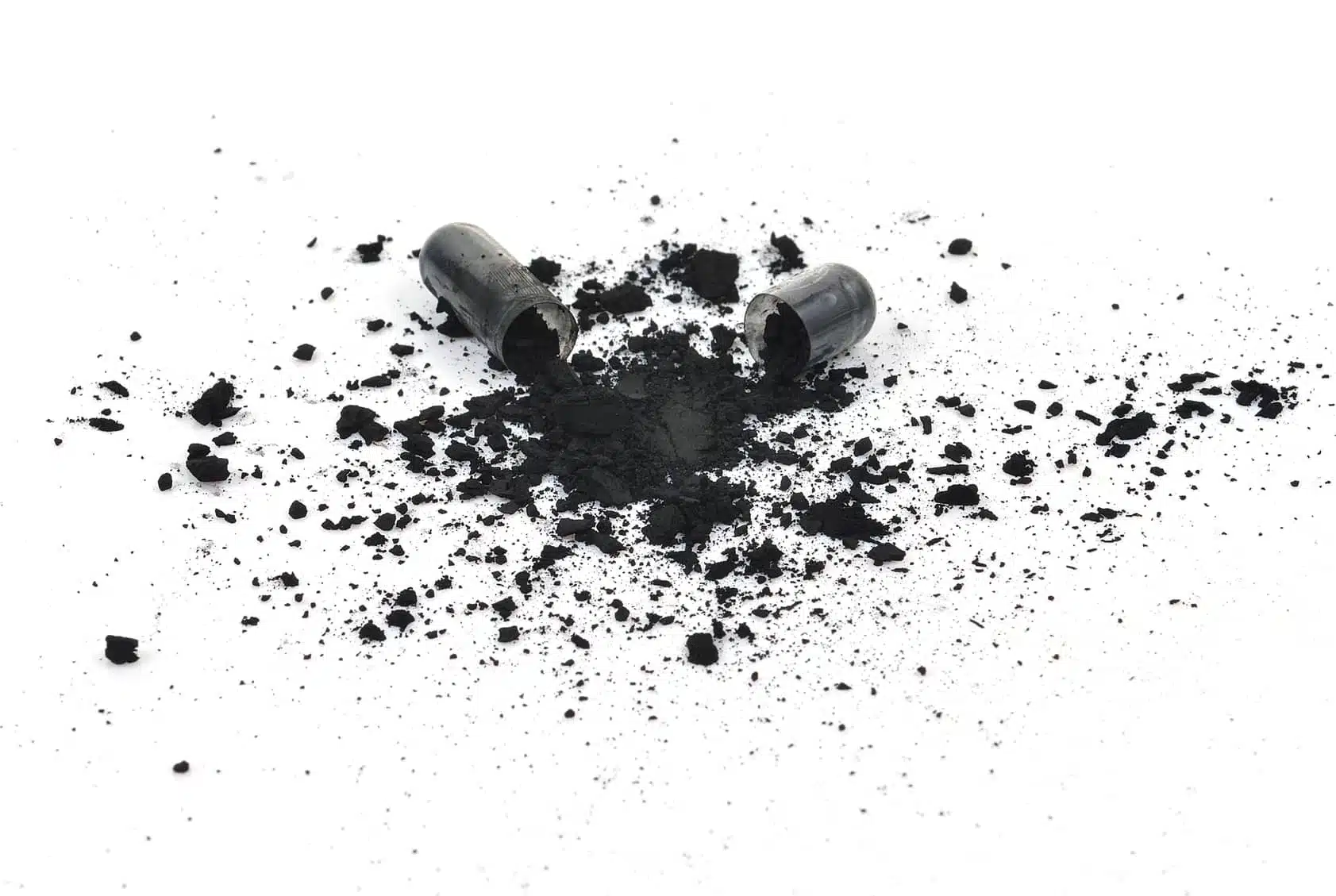
The beneficial and healing effect of mud baths has been known to people for a very long time. Even Paracelsus recommended them for the alleviation and healing of a wide variety of complaints. Today they are mainly used for arthritis, rheumatism, menopausal complaints and osteoporosis. The humic acid contained in the powder is primarily responsible…