
Frotox cooling method
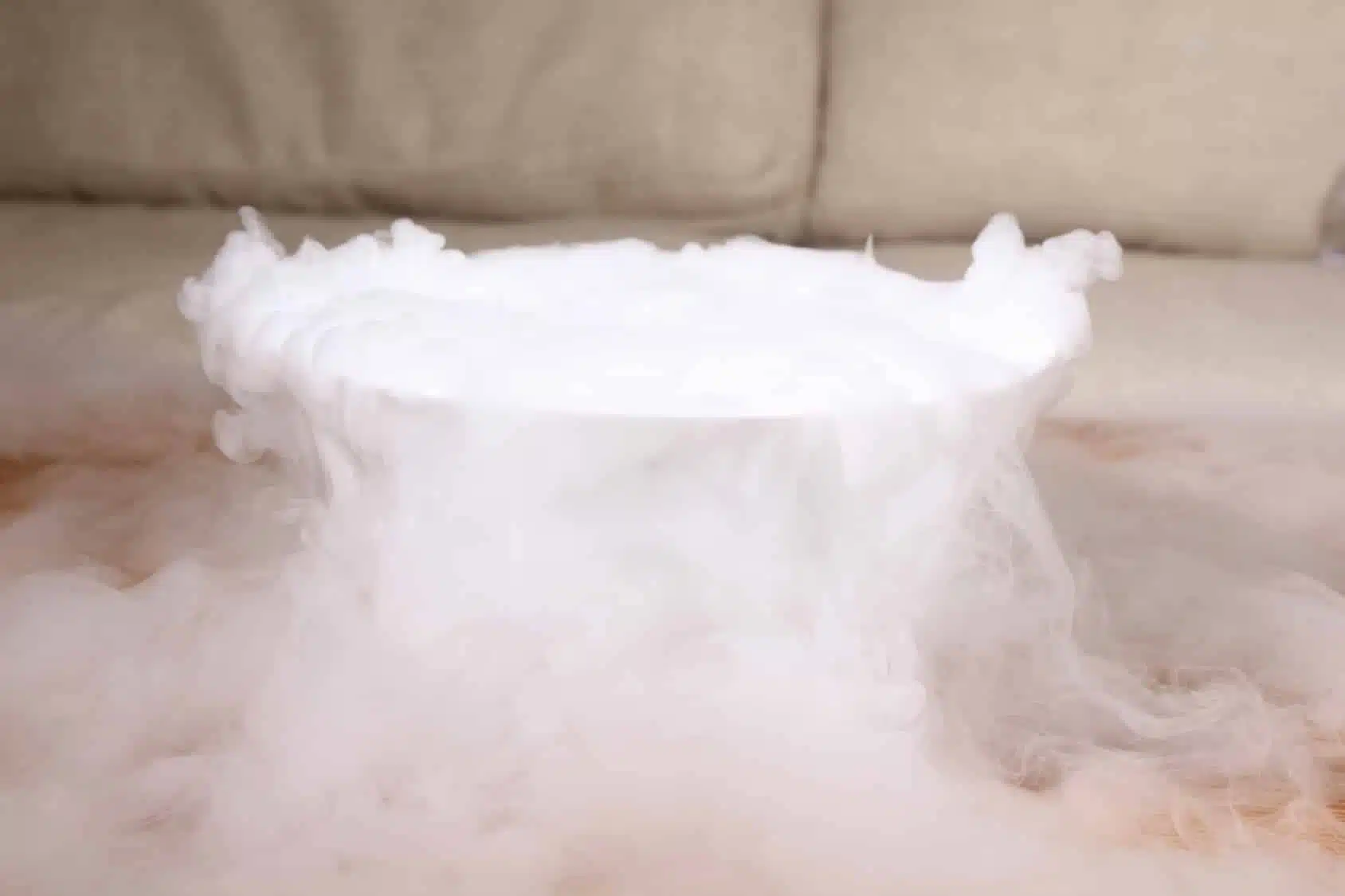
Frotox cooling method is one of new cosmetic treatments. Sooner or later, everyone develops wrinkles. When they first become noticeable varies, as the process depends on many factors. Genetic predisposition, individual lifestyle and, ultimately, diet are just some of the aspects on which the development of wrinkles depends. In principle, wrinkles can be categorised into…
Fynbos honey – South Africa’s golden elixir

Fynbos honey is one of the most valuable and exclusive types of honey in the world. It is produced by the Cape honey bee (Apis mellifera capensis), which is found exclusively in the fynbos biome of South Africa’s Western Cape. This unique region is famous for its botanical diversity and is one of the most…
G-Beauty

Introduction Korean beauty is yesterday’s news: the latest trend in cosmetics is called G-Beauty and is already on the verge of conquering the whole world. The abbreviation “G” stands for “German,” so we are talking about “German beauty,” which in turn means cosmetics “Made in Germany.” Hollywood is already completely enthusiastic about the new trend.…
Gamma Oryzanol

Gamma Oryzanol or Gamma-Gamma Oryzanol is a white to white-yellowish, crystalline and odourless powder. It consists of phytosterols esterified with ferulic acid (organic compound from the group of phenolic acids) and is obtained from rice germ oil. Gamma oryzanol is an active ingredient that is only found in rice, and can, among other things, reduce…
Gemstones
A raw materials in cosmetics Gemstones are the product of many millions of years of the earth’s history. They are characterised by a variety of colour nuances and light effects. Geological processes and mineralisation have manifested themselves in them and bound amazing powers. We use the resulting effects for physical and mental healing and strengthening,…
Genderless Beauty
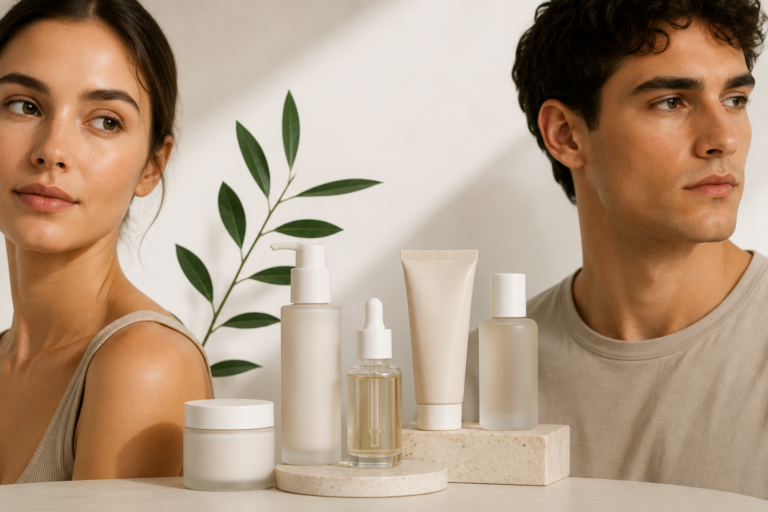
Genderless Beauty stands for skincare that is tailored to the skin’s needs—not to gender. The focus is on skin type, skin condition, and effective ingredients, regardless of who uses the product. For a long time, cosmetics and fragrances were consistently categorized as “for her” or “for him.” Today, the market is changing significantly. More and…
German cosmetics
Korean beauty was yesterday: the latest trend in cosmetics is called G-Beauty and is already on its way to conquering the whole world. The abbreviation “G” stands for “German”, so we are dealing with “German Beauty”, which in turn stands for German cosmetics (Made in Germany). Hollywood is already enthusiastic about the new trend. Stars…
Get Your Cosmetics Developed Quickly: How to Bring Your Product to Market in Record Time

What does it mean to develop cosmetics quickly? Those looking to develop cosmetics quickly are seeking not only speed, but above all an efficient, structured process. Traditional development models often take 9–12 months—too slow for today’s markets. Modern approaches significantly shorten this time by intelligently combining development, regulatory compliance, and production. How does rapid cosmetic…
Ghassoul
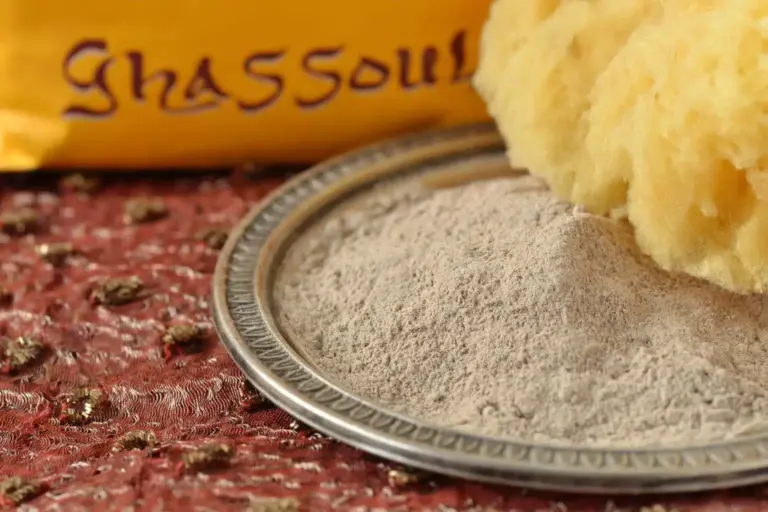
Introduction If you take a closer look at the latest innovations in the cosmetics sector, you will quickly come across two terms that are appearing more and more frequently: ghassoul and lava clay. Both terms refer to the same substance. However, the colloquial term lava clay is rather misleading, as the active ingredient has nothing…
Ginger Extract
Ginger has been used in India and China for centuries. The tuber traditionally has a firm place in Ayurveda teachings and has also become an integral part of Asian cuisine. No wonder, as ginger contains more than 160 valuable ingredients! The plant originally comes from South-East Asia and is now mainly cultivated in Indonesia, Sri…