
Caffeine: Effects, research findings, and potential as a caffeine microcirculation booster
What is caffeine?
Caffeine (INCI: Caffeine) is a naturally occurring alkaloid from the methylxanthine group. It is used in cosmetics for its stimulating, decongestant, and lipolytic properties, particularly as a caffeine microcirculation booster.
Physicochemical data:
INCI: Caffeine
Chemical name: 1,3,7-trimethylxanthine
Molecular formula: C₈H₁₀N₄O₂
– Molar mass: 194.19 g/mol
– CAS number: 58-08-2
– Appearance: white, odorless crystalline powder
– Solubility: moderately soluble in water, more soluble in warm water, highly soluble in organic solvents
The relatively small molecular size promotes penetration through the skin – including through hair follicles.
In which plants does caffeine occur naturally?
Caffeine is synthesized by plants as a natural protective substance. It occurs in, among others:
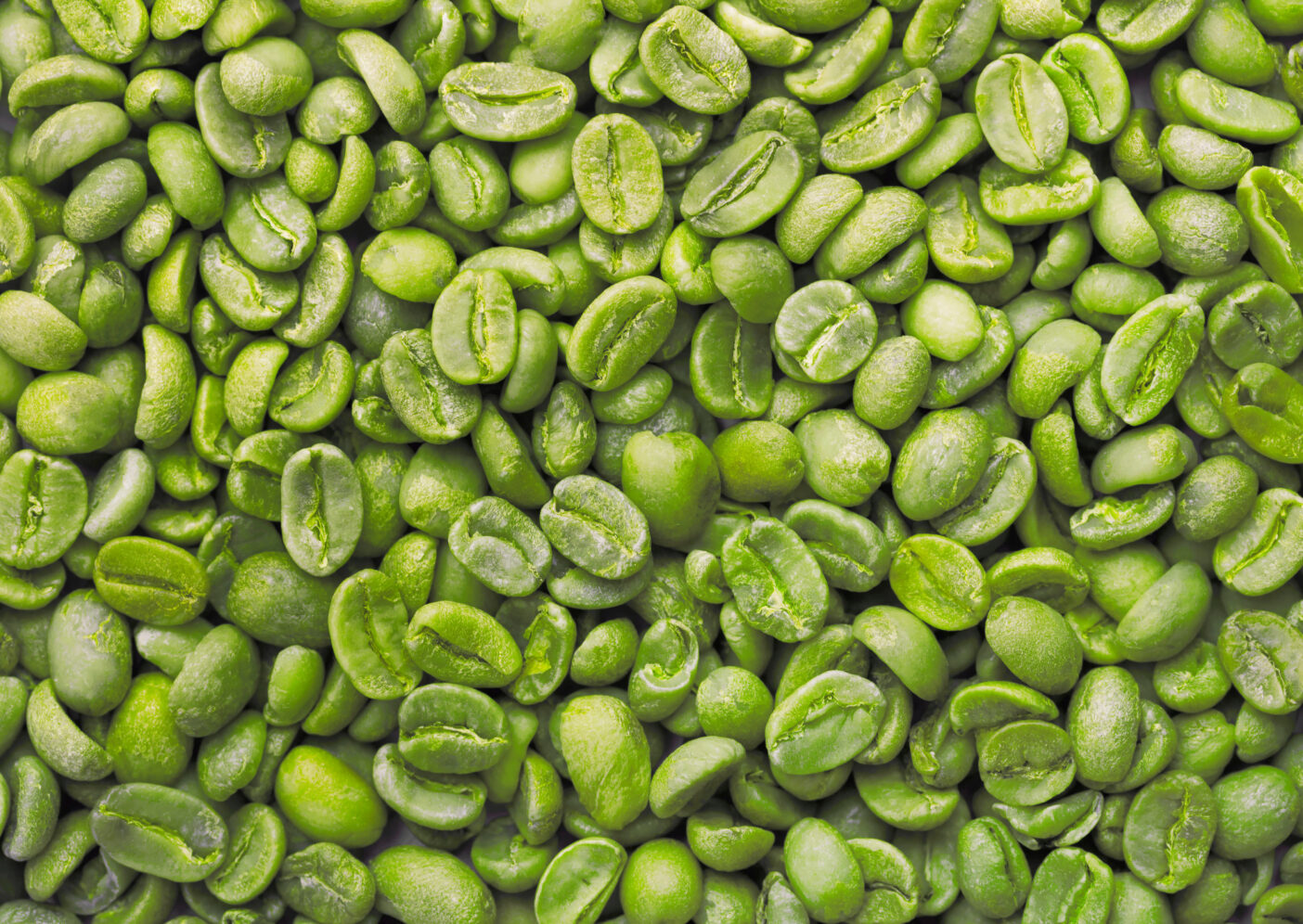
– Coffea arabica (coffee),
– Camellia sinensis (tea),
– Paullinia cupana (guarana),
– Ilex paraguariensis (mate),
– Cola acuminata (cola nut),
– Theobroma cacao (cocoa, in smaller quantities).
Industrial extraction
Caffeine is extracted on an industrial scale in two ways:
Extraction as a by-product of the decaffeination of coffee or tea through purification and crystallization.
Chemical synthesis, often industrially via the Traube synthesis from urea and chloroacetic acid derivatives.
High-purity, pharmaceutical-grade caffeine is used for cosmetic applications.
Mechanisms of action in the skin: As a caffeine microcirculation booster, the active ingredient has several effects
1. Improvement of microcirculation: Caffeine stimulates local blood circulation and can thus support a more vital skin appearance.
2. Inhibition of phosphodiesterase: Increases cAMP → activation of lipolytic processes (relevant for anti-cellulite products).
3. Decongestant effect: Vasoconstrictive and draining – ideal for eye care.
4. Stimulation of hair follicles: Increases metabolic activity in the hair roots.
Studies as Caffeine microcirculation booster
– Hair growth: University of Jena (Fischer et al., 2007). In vitro, caffeine showed a stimulating effect on human hair follicles and was able to partially compensate for testosterone-related growth inhibition.
– Follicular penetration: Otberg et al., 2008. Topically applied caffeine can effectively penetrate the skin via hair follicles.
– UV protection effects: Animal models showed photoprotective effects of topical caffeine (Lu et al., 2011).
– Lipolysis: Various in vitro studies
– Evidence of cAMP-mediated lipolysis in adipocytes.
These data support its positioning as a functional caffeine microcirculation booster for skin and hair care.
Advantages in cosmetic products:
– Promotes microcirculation
– Supports hair growth concepts
– Reduces swelling
– Lipolytic effect
– Antioxidant potential
– Good skin compatibility
– Versatile combinations
Typical areas of application:
– Eye creams
– Anti-cellulite products
– Scalp serums
– Firming products
– After-sun care
– Hair growth tonics
As a modern caffeine microcirculation booster, caffeine is particularly suitable for performance-oriented dermocosmetic concepts.
Formulation notes:
Application concentration 0.1–3%, can be easily combined with niacinamide, amino acids, peptides, and panthenol, stable in aqueous systems, pH-insensitive in the cosmetic sector.
New products with caffeine for your brand as a caffeine microcirculation booster
For a quick market entry, Tojo Cosmetics offers immediately available, EU-compliant white label products in which this active ingredient is already formulated.
For individual production orders, Cosactive offers formulation-tested active ingredient mixtures starting from small quantities.
At our partner company Cosmacon, we are happy to assist you with individual product developments using this innovative active ingredient.