Allergy prevention: Why skin protection needs to start earlier today
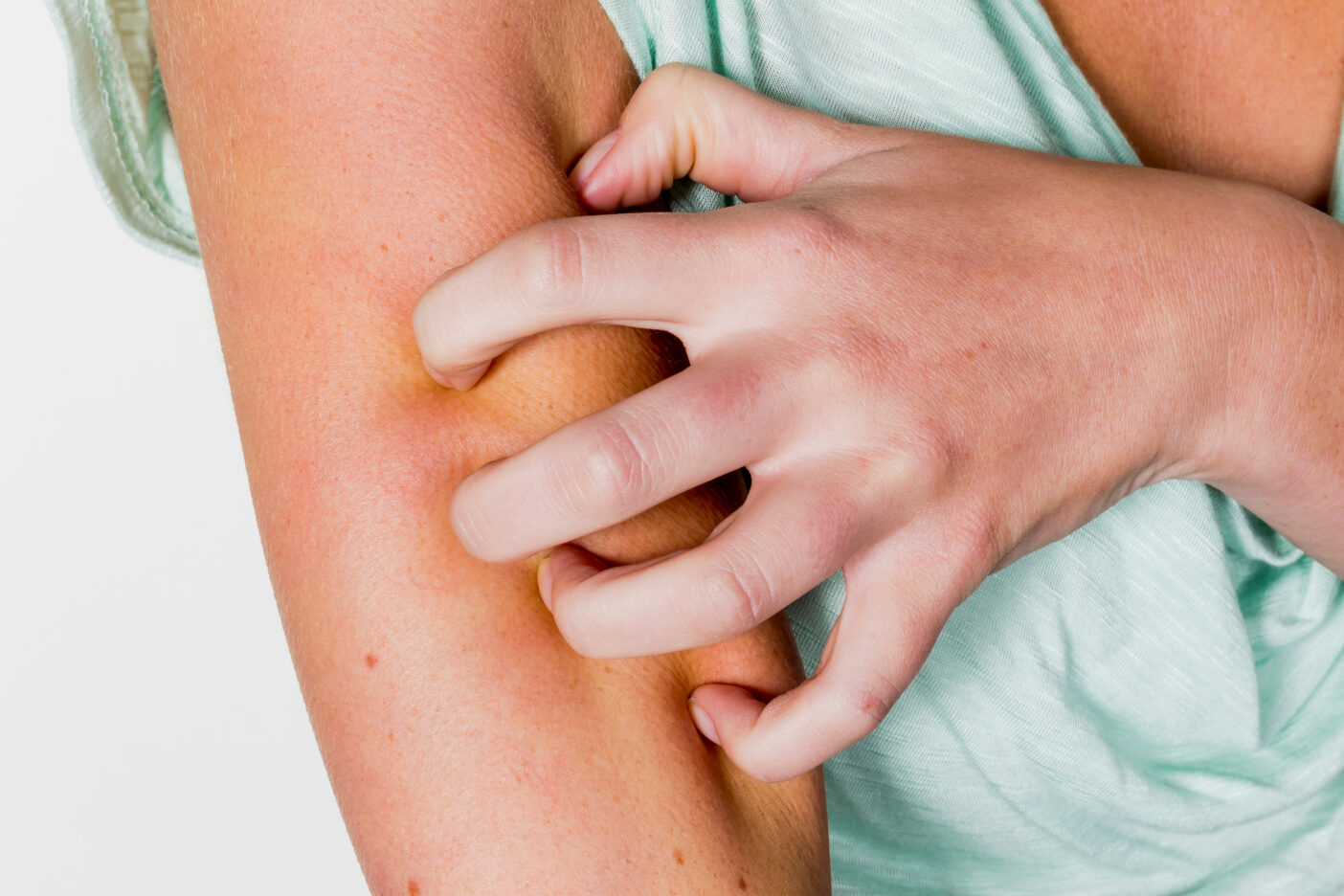
Allergies have been on the rise for years, especially among children and people with sensitive skin. Modern dermatology assumes that allergies develop over years and do not arise suddenly. Allergy prevention therefore does not begin with acute reactions, but much earlier: with the skin barrier, ingredients and daily exposures.
The skin is a key organ in allergy prevention, as it is not only a protective organ but also an immune organ. A damaged or immature skin barrier allows potential allergens to penetrate and sensitises the immune system. This barrier function is particularly limited in infants and children, as well as in stressed or previously damaged adult skin.
Effective allergy prevention therefore begins with:
- Stabilising the skin barrier
- Reducing unnecessary irritants
- Avoiding known sensitizers.
- Early and consistent care.
Risk factors for allergic sensitization include:
– Genetic predisposition
– Frequent skin irritation
– Aggressive cleansing and care products
– Excessive or incorrect preservation
– Constant exposure to allergens in everyday life
Allergy prevention therefore also means critically questioning everyday products – not just cosmetic products
Modern cosmetics can make a decisive contribution to allergy prevention. The key is reduced, clearly structured formulations with high skin compatibility.
Proven approaches:
– Few, well-characterised ingredients
– Avoidance of known contact allergens
– Mild surfactants and skin-identical lipids.
– Functional, well-tolerated preservation
– Avoidance of unnecessary fragrances
The goal is not ‘sterile’, but barrier-strengthening and immunologically calm
A central aspect of allergy prevention is the choice of preservatives, as these are often underestimated allergy triggers. While modern, well-tolerated systems are increasingly being used in high-quality cosmetics (e.g. multifunctional preservative aid systems from Cosactive GmbH), the situation is different in other product categories.
Household products often harbour hidden allergy risks, as price is often the main consideration in household cleaners, detergents and all-purpose products. For cost reasons, highly sensitising preservatives are often used in these products, including:
- Benzoates
- Sorbates
- Methylisothiazolinone (MIT)
These substances are considered to be high-risk contact allergens, especially with repeated skin contact. This is problematic for people with sensitive skin or a tendency to allergies, as these products are used regularly and over large areas.
Consistent allergy prevention should therefore also include household products.
Animal care products are a particularly sensitive area
Many formulations are still based on outdated technology and are also preserved with cheap, highly sensitising preservatives.
The problem
– Pets have close skin-to-skin contact with humans.
– Children cuddle, play and sleep with their animals.
– Residues from animal cosmetics get onto human skin.
It is therefore no coincidence that allergy rates in children rise when they have intensive contact with animals. Allergy prevention must not exclude pet care products, even if these are subject to significantly fewer declaration requirements.
Modern animal cosmetics as part of allergy prevention
This is where innovative concepts come in. Natural, skin-friendly animal care products deliberately avoid problematic preservation systems and unnecessary additives.
Elbpfoten stands for modern, natural animal care products that have been specially developed with skin compatibility and the closeness between humans and animals in mind.
Tojo Cosmetics is the experienced development partner for innovative animal cosmetics: technologically up-to-date, safely formulated and future-oriented.
This means that allergy prevention is considered holistically: for humans and animals.
Prevention begins before the first symptom appears. From a dermatological point of view, allergy prevention is always preventive, never reactive. The more stable the skin barrier, the lower the allergen load and the more modern the formulations used, the lower the risk of sensitisation.
Sustainable allergy prevention therefore includes:
- Cosmetics
- Household products
- Animal care
– Education and conscious product selection.
Conclusion on allergy prevention
Allergies do not develop overnight. They are the result of years of exposure, weakened skin barriers and unfavourable ingredients. Allergy prevention means identifying these factors early on and reducing them in a targeted manner – in all areas of life.
Modern cosmetic and pet care concepts show that effective care, safety and suitability for everyday use are not contradictory, but rather the basis for healthy skin – today and in the future.