
Natural ingredients in cosmetics
Why natural cosmetics don’t always smell, look or feel the same – and why that’s a good thing
Many users of natural cosmetics have a clear expectation: the product should smell, look and feel the same every time they buy it.
While this expectation is understandable, it does not fit with the basic idea behind natural cosmetics.
After all, those who consciously choose natural raw materials and active ingredients are rejecting complete standardisation and embracing the natural diversity of nature.
Nature is not a laboratory, but a living system
Synthetic ingredients are manufactured in such a way that they are always identical: same molecular structure, same smell, same colour – regardless of time, place or environmental conditions.
Natural substances, on the other hand, are produced in living plants that react to their environment. Sun, rain, soil, harvest time and processing influence the composition of the raw materials. Therefore, natural cosmetics can – and may – vary.
These differences are not a sign of poor quality, but rather an indication that genuine, unaltered natural substances are actually being used.
Typical natural substances in cosmetics and why they vary
Essential oils (e.g. lavender, rosemary, orange): Essential oils consist of many individual fragrance and active components. Their ratio changes depending on:
• Weather conditions during growth
• Sun intensity
• Harvest time
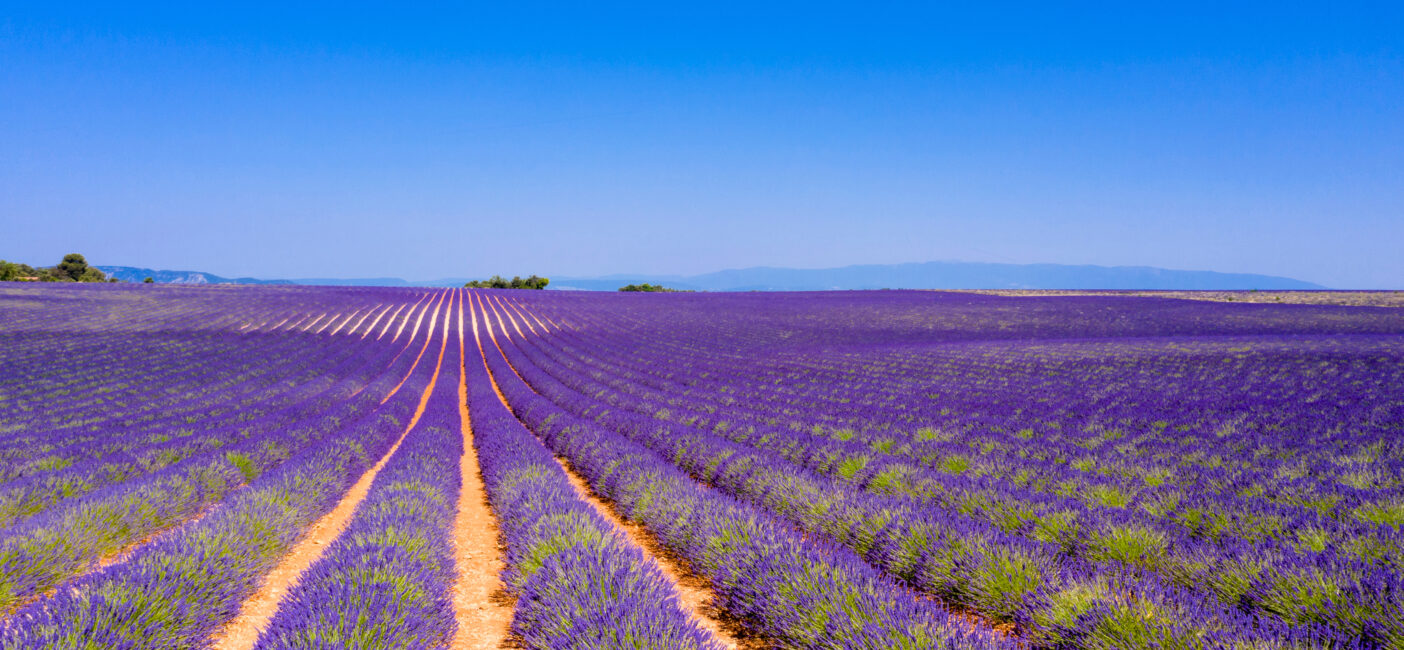
A batch of lavender oil may smell gentler and more floral in one batch and slightly more herbaceous or intense in the next – even though the quality is the same.
Plant extracts (e.g. chamomile, calendula, green tea): Plant extracts contain a whole spectrum of secondary plant substances such as flavonoids, polyphenols and bitter compounds.
These influence:
• Colour (light yellow to dark brown)
• Intrinsic odour
• Intensity of effect
Depending on the harvest year, a chamomile extract may be lighter or darker in colour without any reduction in its effect on the skin.
Vegetable oils (e.g. argan oil, jojoba oil, sesame oil): Natural oils are usually cold-pressed and not completely refined. This preserves valuable accompanying substances that provide the following properties:
– slight differences in smell
• colour variations from light yellow to golden brown
• different viscosities.
Fresh argan oil may smell nuttier than another batch. This is not a sign of spoilage, but of naturalness.
Butter and waxes (e.g. shea butter, cocoa butter): Vegetable fats also react to:
• Harvest time
• Origin
• Temperature during processing
Shea butter can vary from almost white to slightly yellowish and can be sometimes firmer, sometimes creamier – while maintaining the same caring effect.
Natural substances in cosmetics: Why this variability is actually desirable
Natural cosmetics are not just about an isolated ‘main active ingredient’, but about the interaction of many natural accompanying substances.
• Antioxidants
• Terpenes
• Polyphenols
These secondary plant substances support each other and often contribute significantly to the effect on the skin. Strong standardisation would reduce this diversity and thus diminish the advantage of natural raw materials.
Differences are therefore not a reason for complaint, but a sign of quality.
- Smell
- Colour
- Taste (e.g. in lip care)
- Texture
are not a reason for complaint in natural cosmetics, as long as:
– the product is safe and stable,
– it fulfils its function and
– there are no sensory defects (e.g. rancidity).
What changes is the character, not the quality.
Helpful information for end customers: natural cosmetics explained
A helpful comparison:
Olive oil –> No one expects every olive oil to taste the same every year. The vintage, sun and region shape its character – that is precisely what determines its quality.
Honey –> Blossom honey from a dry year tastes different from honey from a rainy year – yet both are genuine honey.
Natural cosmetics work in exactly the same way.
Each batch is a reflection of nature and not the result of a purely technical reproduction.
What brands should communicate openly
To build trust, natural cosmetics brands should transparently explain that
- natural raw materials may vary
- these differences are not a defect
- it is precisely this diversity that is used for its effect on the skin
- naturalness is more important than absolute visual uniformity.
Well-informed customers complain less and appreciate their product more.
Conclusion Natural substances in cosmetics
Natural cosmetics are not industrially perfect mass products, but a conscious commitment to nature.
Differences in smell, colour and appearance are part of the concept and not a flaw.
Those who use genuine natural substances use the entire plant with all its secondary active ingredients – and that is precisely what makes natural cosmetics effective, authentic and vibrant.
Feel free to ask us, because we address everything transparently and naturally.