
Info and news from the world of cosmetics

Skin’s internal clock Our skin’s internal clock is an internal clock that is controlled by clock genes. Certain processes are mainly active during the day, others at night. This internal skin clock is important to consider when choosing cosmetic care products and active ingredients. The transepidermal water loss increases in…
read more →
Introduction: The importance of lactoferrin When we hear the term lactoferrin, two things spontaneously come to mind: milk and iron. And indeed, lactoferrin is derived from the Latin words ‘lacteus’ (milk) and ‘ferrum’ (iron). We are dealing here with a protein from the transferrin family that occurs in mammals, including…
read more →
Upcycling is a trend that is becoming more and more prevalent in our lives. In this process, discarded or seemingly useless or no longer usable substances, objects or materials are transformed into products with a completely new life cycle. It is therefore a kind of revaluation. The raw material retains…
read more →
Algae have been considered superfood for quite some time and have now even developed into a real nutrition trend. They are said to have true superpowers due to their many valuable ingredients. The cosmetics industry is now also taking advantage of these. However, there are many different types of algae,…
read more →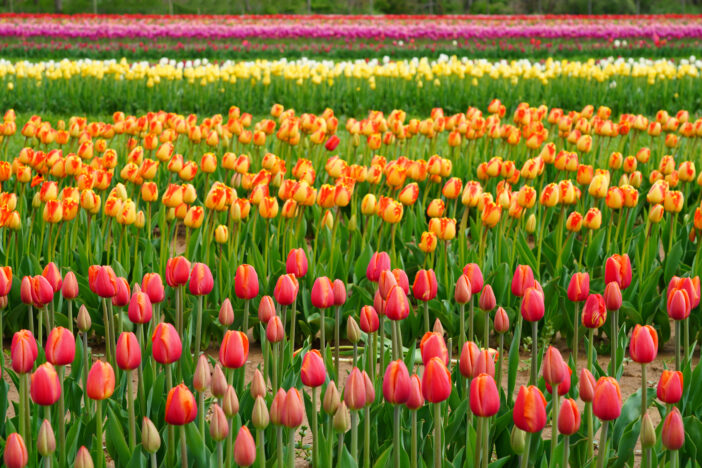
Tulips are considered messengers of spring. They belong to the lily family and enrich countless gardens. With their lush flowers and colourfulness, they are among the most beautiful and popular flowers of all. However, few tulip lovers know that they contain a substance that can be extremely interesting for cosmetic…
read more →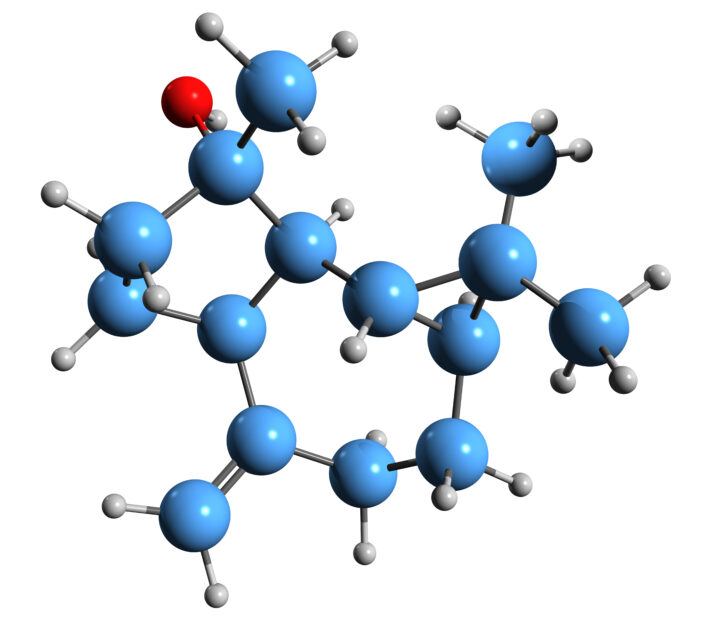
The organic chemical, low-molecular compound spathulenol is a guaiacane derivative and belongs to the group of tricyclic sesquiterpene alcohols. Its basic structure is similar to that of azulene. It occurs in plants such as German chamomile, mugwort, tarragon, anise hyssop, in cotton species and in two different St. John’s wort…
read more →
The fundamental factor in assessing the active ingredient quality is its safety for human health, and this is regulated by the European Cosmetics Regulation. Cosmetic active ingredients must fulfil many requirements, a number of substances may not be used or may only be used in certain concentrations, and only effects…
read more →
The light-yellow plant pigment apigenin is very abundant in nature. It is found, for example, in chamomile, parsley, celery, yarrow, dahlias and kumquats. Chemically, it belongs to the group of flavonoids. The substance is said to have a wide range of medicinal uses and is also of great interest in…
read more →
Maltodextrins in Cosmetics: A Sweet Additive with Mighty Benefits Maltodextrins, a mixture of polysaccharides derived from natural starch, has emerged as a versatile and useful ingredient in the cosmetics industry. This article delves into the world of maltodextrin in cosmetics, highlighting its wide range of applications – from moisturising skin…
read more →
Proactive aging for the skin We cannot prevent the natural aging process; so it is actually not correct to speak of anti-aging. We can use our lifestyle and honest cosmetics to help ensure that the changes over the years are slower and better. Better Aging, Slow Aging, Well Aging, healthy…
read more →